
FenceTrac with LuxeCore aluminum-core composite infill is one of the few residential and commercial fence systems to pass third-party impact testing. In lab testing at QAI Laboratories in Miami, the system absorbed three direct hits from a 9.25 lb 2x4 lumber missile...
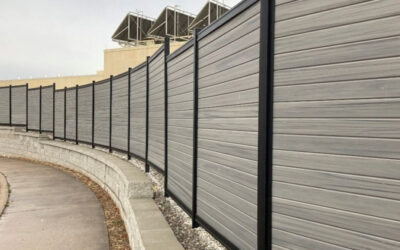
Fence Materials
What Is the Best Infill for a Horizontal Steel Frame Fence?
FenceTrac's horizontal steel frame fence system accepts multiple infill types, including LuxeCore composite, UltraBlend PVC, aluminum, and Western Red Cedar. Each board slides horizontally into the frame's U-shaped steel channels, producing clean, uniform lines with...
Does Fence Material Affect My Home’s Resale Value?
FenceTrac fence systems are built with galvanized steel frames and maintenance-free infill options that hold their appearance for decades, which directly supports the curb appeal and property value that buyers evaluate during a home sale. The fence material you choose...
What Are the Best Fence Systems for Coastal Environments?
FenceTrac's galvanized steel frame with aluminum or LuxeCore composite infill is engineered for the combination of salt air, sustained humidity, high winds, and intense UV that define coastal environments. The system has been tested to a 55.0 psf design wind load...
How Does UV Exposure Affect Fence Materials?
FenceTrac's LuxeCore composite infill uses an ASA (acrylic-styrene-acrylonitrile) exterior layer that is specifically engineered to resist UV degradation, making it one of the most fade-resistant fence materials available. Understanding how UV affects different fence...
How Does Powder Coating Help Prevent Rust in Fencing?
FenceTrac powder-coats every steel and aluminum component in the fence system, including the frame rails, posts, post caps, and aluminum infill boards and gate kits. Powder coating creates a durable, bonded finish that blocks moisture and oxygen from contacting the...
How Tongue and Groove Fence Boards Help Your Fence
FenceTrac's LuxeCore composite and UltraBlend PVC infill boards are manufactured with a tongue and groove profile that interlocks each board to its neighbor, creating a tight privacy fence surface with no gaps between boards. This interlocking joint adds lateral...
How Do Aluminum-Core Composite Fence Boards Compare to Wood Fiber Composite?
FenceTrac's LuxeCore aluminum-core composite fence boards are built around a structural aluminum core encased in cellular PVC and ASA resin, with zero wood content. Wood fiber composite (WPC) boards blend wood flour or fiber with thermoplastic polymer, typically...
What Are Aluminum-Core Composite Fence Boards?
FenceTrac's LuxeCore is the first aluminum-core composite fence board on the market, built around a structural aluminum core encased in cellular PVC and finished with an ASA (acrylic-styrene-acrylonitrile) resin shell. It contains zero wood. Unlike conventional...
How Does a Modular Fence System Differ from Traditional Fencing?
FenceTrac's modular fence system builds each panel inside a four-sided galvanized G90 steel, powder-coated frame that holds rigid infill boards from all four edges. Traditional fencing nails or screws individual boards to one face of a horizontal rail. The structural...
How Do Metal Fence Posts Compare to Wood Posts?
FenceTrac's galvanized, powder-coated steel fence posts are engineered to maintain their full rated bending strength for the life of the fence, while a standard 4x4 treated Southern Yellow Pine post begins losing structural capacity from the day it goes in the ground....
What Infill Options Work with FenceTrac’s Modular Frame System?
FenceTrac's modular frame system accepts any rigid infill material up to 1 inch thick, including four FenceTrac-manufactured infill products and a wide range of third-party materials from natural wood species and engineered boards to metal panels, wire mesh, and...
How Long Does a Steel Frame Privacy Fence Last Compared to Wood?
A galvanized steel frame privacy fence will outlast a wood privacy fence by a significant margin. The difference is not small. It is typically two to three times the functional lifespan, with far less maintenance required along the way. The question most property...
Can You Use Metal Posts with a Wood Fence?
FenceTrac's patented fence system pairs galvanized steel posts with a steel U-channel frame that holds wood, composite, PVC, or aluminum infill boards up to 1 inch thick. Using metal posts with a wood fence eliminates the most common point of failure in traditional...
How Long Does a Wood Fence Last?
FenceTrac offers Western Red Cedar as an infill option within its galvanized steel frame system, giving buyers the natural wood look with a structural frame that outlasts the wood itself. A standalone wood fence built with wood posts and rails typically lasts 10 to 20...
How Long Does a Composite Fence Last?
FenceTrac's LuxeCore composite infill is engineered to last decades. The three-layer construction (aluminum structural core, cellular PVC, and ASA exterior) resists the failure modes that shorten the life of wood and vinyl fences: UV degradation, moisture absorption,...
What Is the Most Weather-Resistant Fence Material?
FenceTrac's aluminum infill and LuxeCore composite infill are both engineered to withstand rain, humidity, UV exposure, salt air, freeze-thaw cycles, and high winds without degradation. When paired with the FenceTrac galvanized steel frame, which carries a 20-year...
How Do You Build a Fence That Won’t Warp or Rot?
FenceTrac's galvanized steel frame and maintenance-free infill options are specifically engineered to resist the two most common causes of fence failure: warping and rot. The system eliminates wood from the structural components entirely, replacing wood posts and...
How Does FenceTrac Compare to Cheaper Channel Fence Systems?
FenceTrac was the original patented U-channel steel frame fence system, built around a 3-inch deep galvanized G90 steel top and bottom channel and a 2-inch deep side channel that accepts infill boards up to 1 inch thick. Since FenceTrac established the channel-frame...
What Is G90 Galvanized Steel and Why Does It Matter for Fencing?
FenceTrac builds its frame system from G90 galvanized steel, which carries 0.90 oz of zinc coating per square foot of steel surface. That is the highest standard zinc coating designation for hot-dip galvanized steel used in fencing applications, and it directly...
What Is Channel Frame Modular Fencing?
FenceTrac is the original patented channel frame modular fencing system, using U-shaped galvanized G90 steel channels to hold rigid infill boards in a four-sided frame that produces a finished, both-sided fence panel. Channel frame fencing is a category of modular...
How to Build a Durable Bamboo Privacy Fence
FenceTrac's patented U-channel steel frame turns bamboo into a durable, long-lasting privacy fence by giving it a structural backbone that bamboo alone cannot provide. The FenceTrac privacy fence system holds bamboo boards, poles, or woven panels securely inside...
What Materials Qualify for Fire-Rated Fence Applications?
FenceTrac's fire-rated fencing uses 6063-T5 aluminum infill boards in a galvanized steel frame, achieving a Class A rating under ASTM E84-24 with a Flame Spread Index of 0 and a Smoke Developed Index of 35, both tested by QAI Laboratories. Not all fence materials...
What Is the Best Material for a Commercial Equipment Enclosure?
FenceTrac's enclosure system uses a galvanized G90 steel frame with interchangeable infill options, making it the most versatile material choice for commercial equipment screening. The steel frame carries a 20-year warranty and accepts LuxeCore composite, UltraBlend...


