
FenceTrac offers Western Red Cedar as an infill option within its galvanized steel frame system, giving buyers the natural wood look with a structural frame that outlasts the wood itself. A standalone wood fence built with wood posts and rails typically lasts 10 to 20 years, but the actual lifespan depends on the wood species, the quality of the posts, the climate, and how consistently the fence is maintained.
The Short Answer
Most wood fences last 10 to 20 years. Cedar and redwood fences fall on the higher end of that range when properly maintained. Pressure-treated pine is more affordable but typically shows significant wear within 10 to 15 years. The posts are almost always the first component to fail because they sit in direct contact with soil and moisture.

Wood Fence Lifespan by Species
The wood species determines the baseline durability. All estimates below assume standard residential installation with wood posts set in concrete.
| Wood Species | Typical Lifespan | Maintenance Required |
|---|---|---|
| Western Red Cedar | 15-20 years | Stain or seal every 2-3 years |
| Redwood | 15-20 years | Stain or seal every 2-3 years |
| Pressure-treated pine | 10-15 years | Stain or seal every 2-3 years, board replacement |
| Spruce or fir | 5-10 years | Heavy maintenance, frequent board replacement |
These ranges assume the fence receives regular maintenance. Without staining or sealing, all wood species degrade faster. An unmaintained cedar fence in a wet climate may only last 10 to 12 years before it needs major repair or replacement.
What Causes a Wood Fence to Deteriorate
Wood fences fail for predictable reasons. Understanding these failure modes explains why lifespans vary so widely.
Post Rot
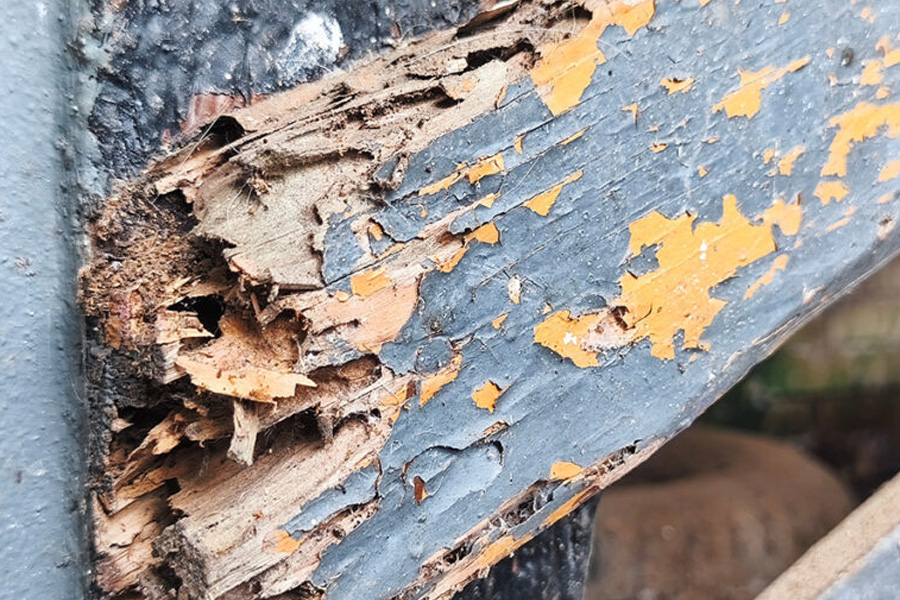
The posts are the structural weak point of every wood fence. Wood posts sit in the ground where they absorb moisture from the soil. Even when set in concrete, the concrete-to-wood joint traps water. Over time, the post rots at or just below the ground line, and the fence leans or collapses.
Post rot is the number one reason wood fences are replaced. The boards may still be in acceptable condition, but once the posts fail, the entire fence comes down.
Moisture and Mold
Rain, humidity, and ground splash expose wood to sustained moisture. Without a protective seal, the wood absorbs water, swells, and develops mold or mildew. Repeated wet-dry cycles cause boards to warp, crack, and split. Horizontal surfaces (the top of rails and the top edge of boards) are especially vulnerable because water pools there.
UV Degradation
Sunlight breaks down the lignin in wood, causing the surface to turn gray and become brittle. UV damage is cosmetic at first but eventually weakens the wood fibers. South-facing and west-facing fence sections degrade faster than shaded sections on the same property.
Insect Damage
Termites, carpenter ants, and wood-boring beetles attack fence wood, especially in warm, humid climates. Cedar and redwood have natural insect resistance, but that resistance diminishes over time as the wood ages and the natural oils dissipate. Pressure-treated pine resists insects better but is not immune.
How to Extend a Wood Fence’s Life
Consistent maintenance is the only way to push a wood fence toward the upper end of its lifespan range.
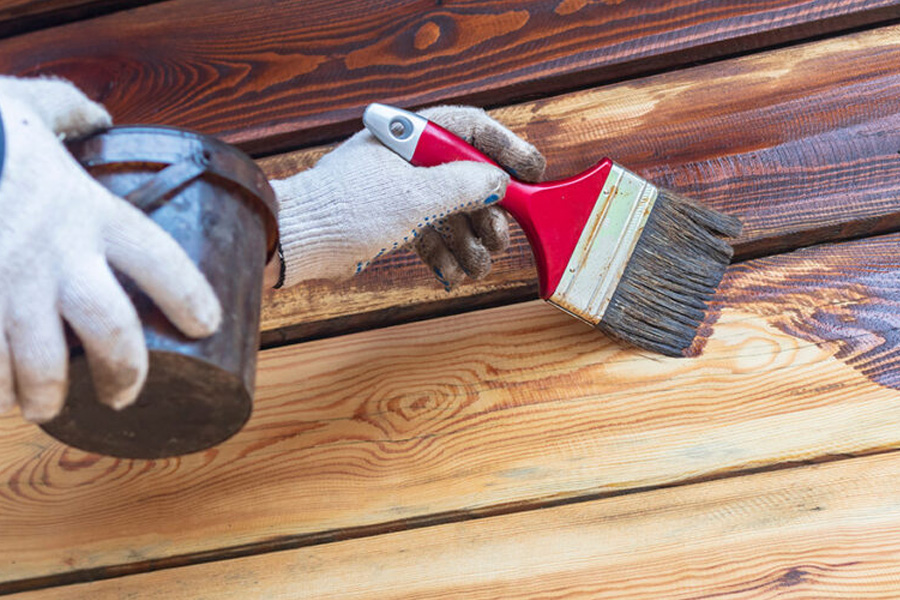
Stain or seal the fence every 2 to 3 years. Use a product with UV protection and water repellent. Apply it to all exposed surfaces, including the top edges of boards and the bottom rail where moisture collects.
Replace damaged boards immediately. A single broken board allows moisture into the interior of the fence structure and accelerates decay in adjacent boards. Tighten or replace loose fasteners before they allow boards to shift and create gaps.
Keep soil, mulch, and vegetation away from the base of the fence. Anything that holds moisture against the wood speeds up rot.
The Steel Frame Alternative for Wood Fence Design
The biggest limitation of a traditional wood fence is that the posts and rails are wood too. When the structure fails, the entire fence fails, even if the visible boards are still in decent shape.
FenceTrac’s approach separates the structure from the infill. The frame is G90 galvanized steel, powder-coated, with a 20-year warranty. The posts are G90 galvanized steel, powder-coated. Neither the frame nor the posts will rot, warp, split, or attract insects.
Cedar infill boards slide into the steel frame channels, giving the fence a natural wood appearance. If a cedar board needs replacement, you slide out the old one and slide in a new one without rebuilding the frame. The structural integrity of the fence is independent of the wood condition.
For buyers who want fence ideas that combine natural wood aesthetics with permanent structural support, cedar infill in a FenceTrac steel frame is the engineered approach to wood fencing.
Related Questions
How long does a composite fence last? Composite fencing with an aluminum core and ASA exterior is engineered to last decades with zero maintenance, far exceeding the lifespan of wood.
Is cedar better than pine for fencing? Cedar is naturally more resistant to rot and insects than untreated pine. Pressure-treated pine closes the gap on durability but does not match cedar’s natural resistance to decay or its visual appeal.
See Also
How does composite fencing compare to wood? for a detailed material comparison between wood and composite infill.
Get a Quote for a Long-Lasting Fence
FenceTrac ships fence systems nationally and has been manufacturing engineered fencing in the USA since 2012.
Every system carries a 20-year warranty and is engineered for long-term performance with minimal maintenance.