
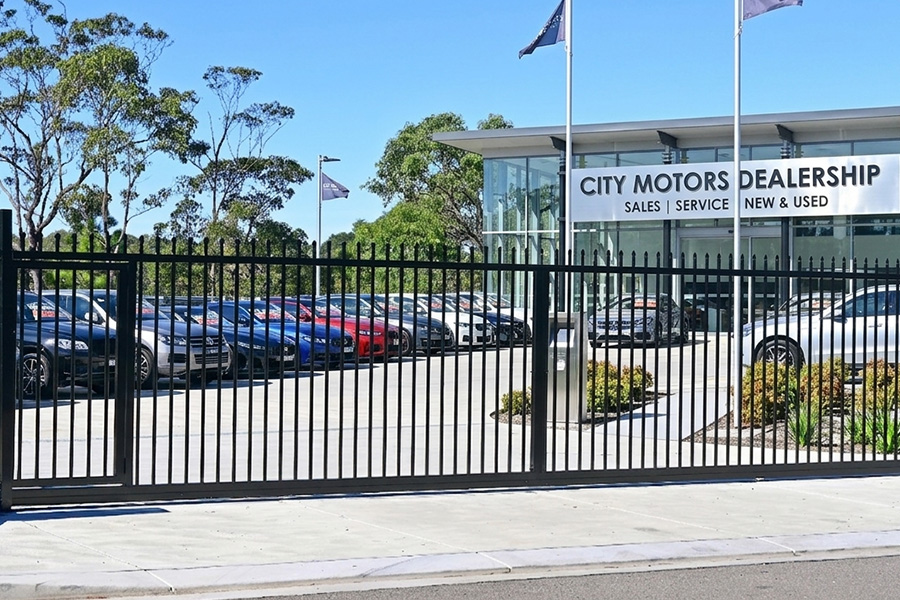
Cantilever gates are a top choice for commercial properties like warehouses and parking lots. Why? They’re durable, weather-resistant, and don’t require ground tracks – making them perfect for heavy use and tough conditions. Compared to swing and sliding gates, cantilever gates last longer (25+ years), handle larger openings (up to 32 feet), and need less maintenance.
Key Takeaways:
- Cantilever Gates: No ground contact, works in all weather, handles high traffic, lasts 25+ years.
- Swing Gates: Cheaper upfront, but need lots of space and struggle with slopes.
- Sliding Gates: Compact, but tracks require frequent cleaning and can freeze.
Cantilever gates also integrate easily with automation systems for added convenience and security. They’re a smart investment for properties needing reliable, long-term access solutions.

We built a HUGE 24ft Cantilever Gate.
sbb-itb-908b3eb
Gate Types for Commercial Properties: A Side-by-Side Look
Choosing the right gate for your commercial property comes down to factors like available space, traffic flow, weather conditions, and maintenance requirements. Here’s a closer look at how different gate types perform in these areas.
Cantilever Gates: Built for Tough Conditions
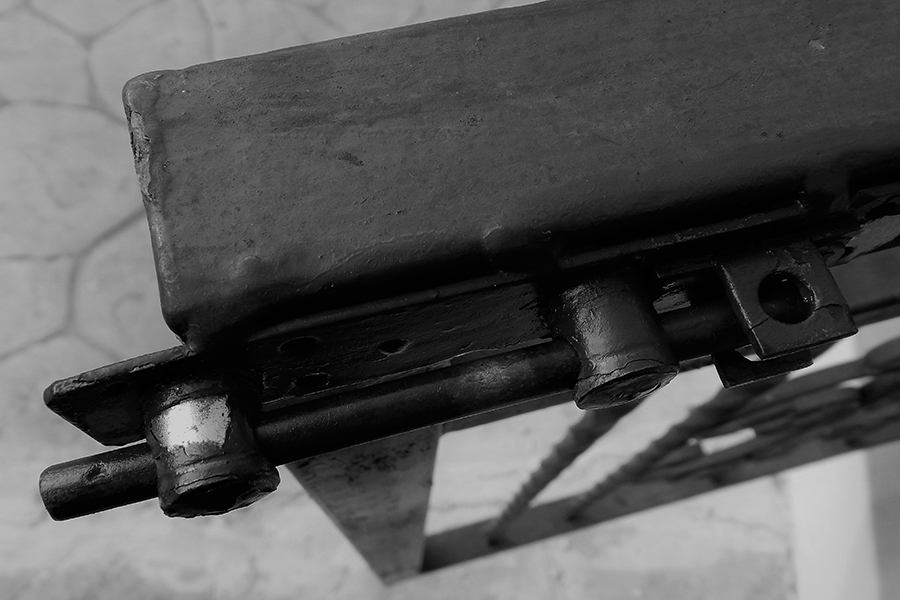
Cantilever gates operate using rollers mounted alongside the fence, with the gate extending about 1.5 times the opening width to counterbalance its weight. This design eliminates the need for ground support, making it highly dependable for busy areas like warehouses or fleet yards.
Since cantilever gates don’t rely on ground tracks, they’re unaffected by obstacles like gravel, ice, or debris – making them a solid choice for properties that need to function smoothly in all weather conditions.
"A 24-foot cantilever gate can cycle open and closed in seconds, keeping vehicle queues moving." – FenceTrac
Maintenance is straightforward, requiring only occasional roller adjustments, which adds to their appeal for high-traffic industrial settings, which is why more property owners choose FenceTrac for durable entry solutions.
Swing Gates: Affordable but Space-Hungry
Swing gates are the simplest and least expensive option upfront. They operate much like a door, rotating on hinges. However, they come with notable limitations for commercial use. These gates need an open arc – equal to the gate’s full length – either in front of or behind the entry point. This requirement can pose challenges for properties with limited space or areas where vehicles queue near the gate.
Sloped driveways can also be problematic. If the ground rises behind the gate, it may block the arc, preventing the gate from fully opening. Additionally, standard double swing gates are typically limited to openings of around 12 feet, which isn’t ideal for most commercial vehicle traffic.
Sliding Gates: Compact but Maintenance-Heavy
Sliding gates move horizontally along a ground-level track parallel to the fence, making them a good fit for properties with limited space. Their design requires lateral clearance equal to the gate’s length, which works well in urban lots or narrow commercial properties.
However, sliding gates demand regular maintenance. Tracks can become clogged with dirt, gravel, or ice, and in colder climates, freezing can render the gate unusable. While these gates save space, the upkeep required may be a drawback for some property owners.
Gate Type Comparison Table
| Feature | Swing Gate | Slide Gate | Cantilever Gate |
|---|---|---|---|
| Opening Method | Rotates on hinges (arc) | Slides on ground track | Suspended – no ground contact |
| Space Required | Front/back arc (= gate length) | Lateral (= gate length) | Lateral (1.5x opening width) |
| Max Opening Width | ~12 ft (double) | Varies | Up to 32 ft |
| Weather Resistance | Low (arc can be blocked by snow) | Medium (track can freeze or clog) | High (no ground track) |
| Maintenance | Hinge lubrication and alignment | Track cleaning, roller replacement | Occasional roller adjustment |
| Traffic Volume | Low to moderate | High | High / industrial |
| Lifespan | 15–20 years | 15–25 years | 25+ years |
| Initial Cost | Lowest | Moderate | Highest |
| Best For | Low-traffic, suburban access | Narrow/urban lots | Industrial, high-traffic entries |
Designing and Installing a Cantilever Gate System
When designing a cantilever gate, it’s important to start with a solid plan. Key considerations include the gate’s load and the lateral space available, as these will determine the structure’s design and how it should be installed for reliable performance.
Structural Requirements for Cantilever Gates
A cantilever gate needs to be longer than the opening it spans – by about 50% – to properly balance its weight. For instance, if the opening measures 20 feet, the gate itself should extend to roughly 30 feet. This extra length remains behind the lead post, ensuring the gate stays balanced as it moves.
Support posts and concrete footings are equally essential. These components bear the weight and forces of heavy steel frames and motorized operators. If the footings are too shallow or undersized, they can shift over time, leading to misalignment and increased strain on the motor. The size of the posts and the depth of the footings should be calculated based on factors like the gate’s weight, the torque of the opener, and the soil conditions at the site.
"Cantilever slide gates are available through FenceTrac for commercial, industrial, and large residential projects. They are built to order and sized to the exact opening width, with automation available for hands-free operation." – FenceTrac
Material selection is another critical factor. Steel and wood privacy fencing is ideal for sites requiring high security or heavy use, while aluminum works better for wide openings or areas with moisture and corrosion concerns. If the gate will be automated, it’s best to plan for this during the fabrication phase. Features like integrated mounting brackets and reinforcement plates can be welded into the frame, offering more durability than modifications made after installation.
Site Conditions and Installation Best Practices
Once the structural design is finalized, it’s time to assess the site conditions. Cantilever gates are designed to operate smoothly over uneven surfaces like gravel or slopes because they are suspended on rollers and don’t touch the ground.
Before fabrication, make sure the fence line provides enough lateral clearance – ideally, 1.5 times the width of the opening. For areas prone to high winds, the gate frame should be engineered to handle a wind load of 55.0 psf. Addressing wind exposure early in the planning stage helps avoid expensive redesigns down the line.
Matching the Gate to the Perimeter Fence
When the gate and fence don’t align visually, it can throw off the entire look of a property. To create a cohesive appearance, it’s essential to ensure the gate’s frame color, infill material, and panel height match the surrounding fence. This alignment not only enhances the overall aesthetic but also reinforces security throughout the perimeter, which is especially important for commercial properties.
Panel Alignment and Infill Consistency
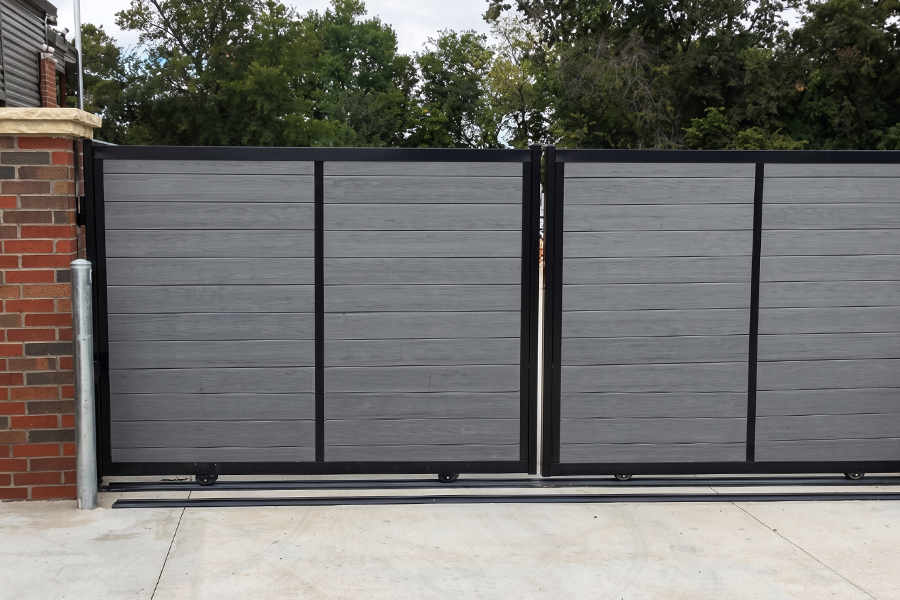
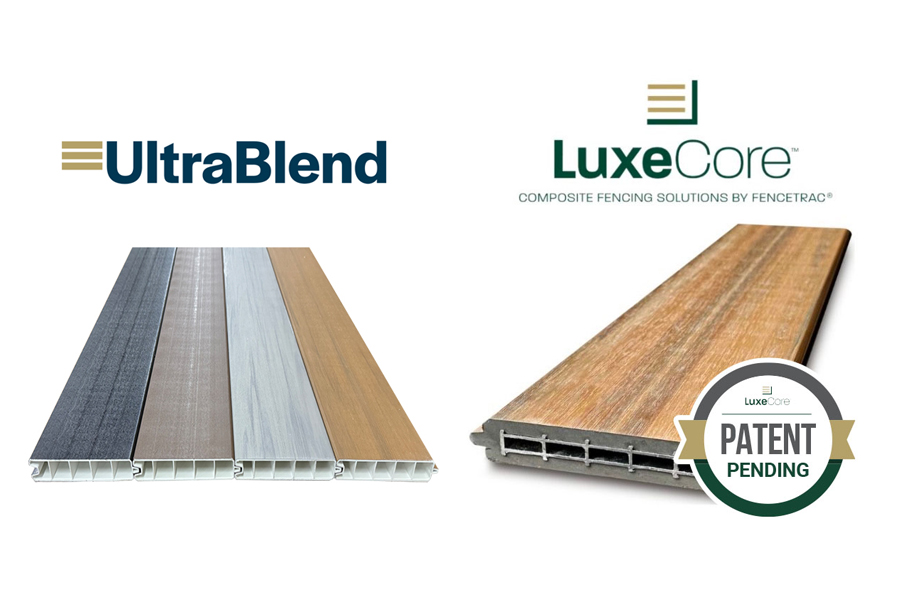
To achieve a seamless look, use the same infill materials and frame colors for both the gate and the fence. Options like LuxeCore, UltraBlend PVC, aluminum boards, or OmniView welded wire work well for this purpose.
Gate frames are powder-coated in four standard colors – Black, Bronze, White, or Silver – to match the fence posts and channels. Maintaining the same height is equally critical. For example, in high-security setups, using 8-foot heights for both the gate and the fence ensures a consistent anti-climb barrier along the entire perimeter.
"From the street, the gate reads as a continuous section of the fence line rather than a separate element. This is a design advantage for properties where curb appeal and a consistent architectural finish matter." – FenceTrac
For projects that need more flexibility, custom solutions can provide tailored options.
Customizing Cantilever Gates with FenceTrac Panels
Modern commercial properties often benefit from custom cantilever gate panels, which can be designed to match the perimeter fence perfectly. For larger openings, FenceTrac panels can be welded into heavy-duty steel cantilever frames, accommodating widths of up to 32 feet. This ensures the gate blends seamlessly with the adjacent fence. Thanks to the U-channel frame design, the gate looks polished from every angle.
The modular nature of this system ensures consistency over time. Since every component is built to the same specifications, panels and frames ordered years later will match the original installation without issue.
"Specify a single FenceTrac frame color and infill type across the entire campus. This gives the perimeter fence, interior zone barriers, equipment enclosures, and screening walls a consistent, institutional-grade appearance." – FenceTrac
One tip: plan for automation during the design phase. This allows for the integration of welded mounting brackets and reinforcement plates, which helps preserve the powder-coated finish.

Automating Commercial Gates: Motors, Controls, and Access Systems
Once the gate’s design aligns with the perimeter fence, adding automation elevates both its functionality and security. Automated gates help streamline operations by reducing staffing needs, ensuring consistent access control, and integrating seamlessly with a property’s overall security system.
Core Components of Gate Automation
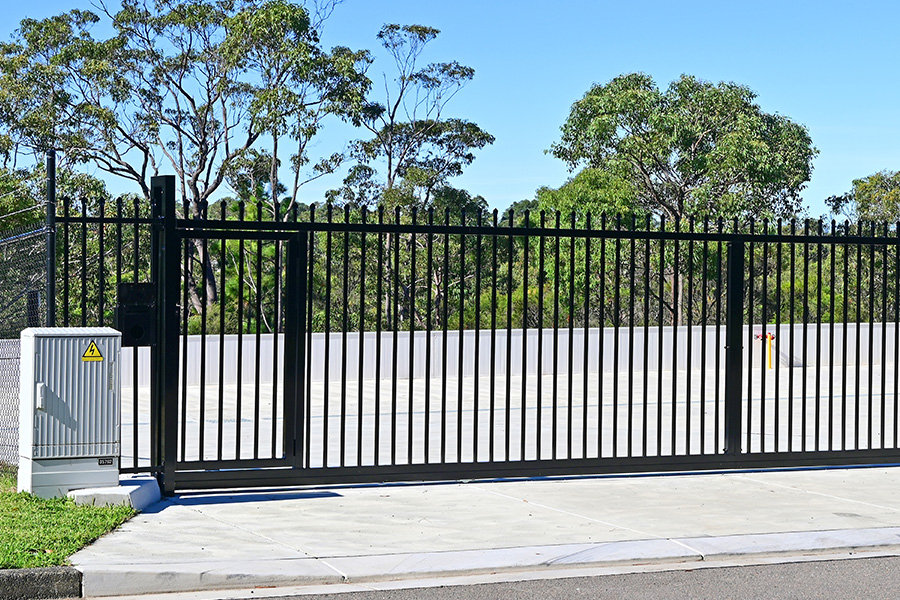
An automated cantilever gate system depends on several key components working in harmony. At the center is the motor or operator – usually a chain-drive or belt-drive mechanism – that moves the gate along its suspended rollers. The control system interprets signals from devices like keypads, RFID readers, key fobs, remotes, or smartphone apps to activate the motor.
Safety features are non-negotiable for commercial setups. Vehicle detection loops embedded in the ground, photo eyes installed at gate height, and safety edges along the gate’s leading edge work together to prevent accidents. These devices integrate with the automation system to ensure safe and smooth operation. To meet industry standards, systems must comply with UL 325 safety guidelines, safeguarding both people and vehicles. Additionally, an emergency manual release is crucial for maintaining functionality during power outages or motor failures.
Most systems are powered by hardwired AC with a battery backup, but solar-powered options are practical for remote locations.
| Component | Function | Common Options |
|---|---|---|
| Motor/Operator | Opens and closes the gate | Chain-drive, belt-drive |
| Access Control | Activates the gate | Keypads, RFID, smartphone apps, remotes |
| Safety Sensors | Prevents accidents | Photo eyes, loop detectors, safety edges |
| Power Source | Supplies energy to the system | Hardwired AC, solar, battery backup |
These elements form the core of an automated gate system, serving as the foundation for customizing solutions to meet specific site needs.
Planning Automation Around Site-Specific Needs
While these core components are essential, automation must be tailored to the unique requirements of each property. For example, a distribution center might prioritize fast-cycling gates with advanced detection loops, while a fleet yard may only need basic keypad access. The key is to design a system that fits the site’s operational demands without unnecessary complexity.
The type of vehicles using the gate is another critical consideration. Heavy trucks and forklifts can cause significant vibration and occasional impacts, necessitating reinforced posts, durable rollers, and steel frames to handle the stress. On the other hand, properties in coastal areas or near chemical storage facilities may benefit from aluminum frames, which resist corrosion better than steel, even if they aren’t as sturdy.
Planning automation during the fabrication stage is vital. Adding mounting brackets and reinforcement plates to the gate frame at the manufacturing stage ensures a cleaner, stronger installation. Retrofitting these features later can compromise both the gate’s appearance and its structural integrity. By addressing these details upfront, you can create a system that performs reliably and looks polished.
Choosing the Right Driveway Entry System for Your Property
When it comes to selecting a driveway entry system, the key is finding one that aligns with your property’s specific needs. For openings ranging from 12 to 32 feet, cantilever gates are a popular choice. They offer quick operation, eliminate the need for a ground track, and perform reliably even in challenging weather conditions.
The unique characteristics of your site play a big role in determining the best gate type. For example, cantilever gates require lateral clearance equal to 1.5 times the opening width, so it’s essential to confirm that your fence line provides enough space. Terrain also matters – sloped driveways aren’t suitable for swing gates, but cantilever and sliding gates can adapt much better to grade changes.
A well-designed gate not only boosts security but also enhances the look of your property. With FenceTrac’s modular frame system, achieving this balance is simple. Their galvanized G90 steel frames and infill profiles can be seamlessly incorporated into a custom cantilever gate frame. This creates a unified appearance, making the gate look like a natural extension of your perimeter fence rather than a separate feature.
"The gate at year 10 looks like the fence at year 1." – FenceTrac
These gates are tested to withstand a 55.0 psf wind load under ASTM E330 standards and come with a 20-year warranty. This ensures they not only integrate smoothly with your fence but also provide long-term durability and protection. By choosing the right driveway entry system, you enhance both the security and functionality of your property.
FAQs
How much room do I need for a cantilever gate?
Cantilever gates require lateral clearance along the fence line rather than space for a traditional front-to-back swing. The gate panel is usually about 1.5 times the width of the opening to account for the counterbalance. For instance, a 20-foot opening would need approximately 30 feet of lateral space for the gate to slide open fully. These gates are built to handle openings as wide as 32 feet.
What footing depth and post size does a cantilever gate need?
When installing cantilever gates, the posts generally need to be set at least 36 inches deep in concrete footers, though it’s crucial to ensure compliance with local building codes. The diameter of the footing holes should be four times the size of the post dimensions for proper stability.
For heavy-duty setups, 4-inch square G90 galvanized steel posts are often the go-to choice, as they can handle significant lateral loads effectively. Additionally, the gate frame, counterbalance, and post specifications are tailored specifically to match the width of your opening and the intended application.
What safety devices are required for an automated commercial gate?
Automated commercial gates are required to comply with UL 325 standards, which focus on preventing injuries through proper safety measures. Key safety features include edge sensors, photo eyes, and vehicle detection loops. These components ensure the gate halts or reverses if it encounters an obstacle.
Additionally, having an emergency manual release is crucial for situations like power outages. To ensure the gate meets local building codes and specific safety needs, it’s wise to consult a gate automation specialist.