
PVC boards last longer than wood and metal for fencing. Here’s why:
- Durability: PVC resists rot, warping, and pests, unlike wood. It also avoids rust and corrosion seen in metal.
- Low Maintenance: No staining or painting needed. Just clean with soap and water.
- Lifespan: PVC fences can last 20–30 years, far exceeding wood (10–15 years) and comparable to aluminum.
- Weather Resistance: PVC handles extreme temperatures without cracking, swelling, or fading.
- Cost Efficiency: Higher upfront cost, but reduced long-term expenses due to minimal upkeep.
PVC boards, especially advanced options like UltraBlend, combine strength, weather resistance, and longevity, making them a smart choice for fencing.
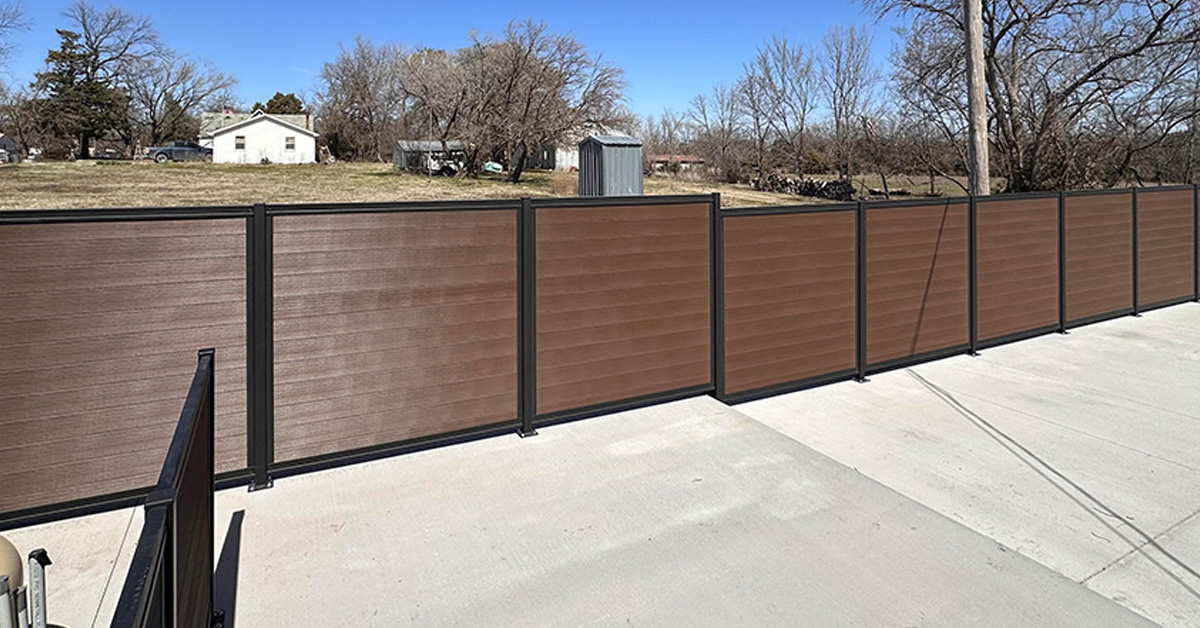
The TRUTH About Wood, Vinyl, and Chain Link Fences
sbb-itb-908b3eb
How PVC Board Manufacturing Creates Longer-Lasting Products
The durability of PVC boards comes down to their carefully designed manufacturing process, which incorporates materials and additives that make them far more resistant to the elements than wood or metal alternatives.
Material Composition and Strength
It all begins with virgin polyvinyl chloride, a synthetic polymer known for its strength and non-porous properties. Unlike recycled PVC, virgin PVC offers better structural integrity and retains its color for decades. To further enhance durability, manufacturers include titanium dioxide and UV stabilizers, which protect the boards from fading and becoming brittle under prolonged sun exposure. This unique chemical makeup also equips PVC boards to resist damage from acids, alkalis, and other corrosive substances.
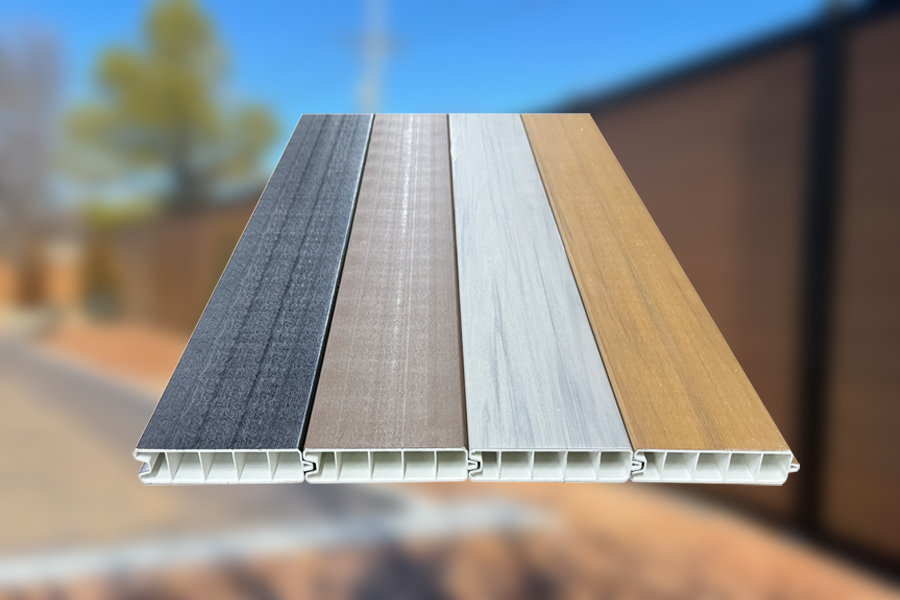
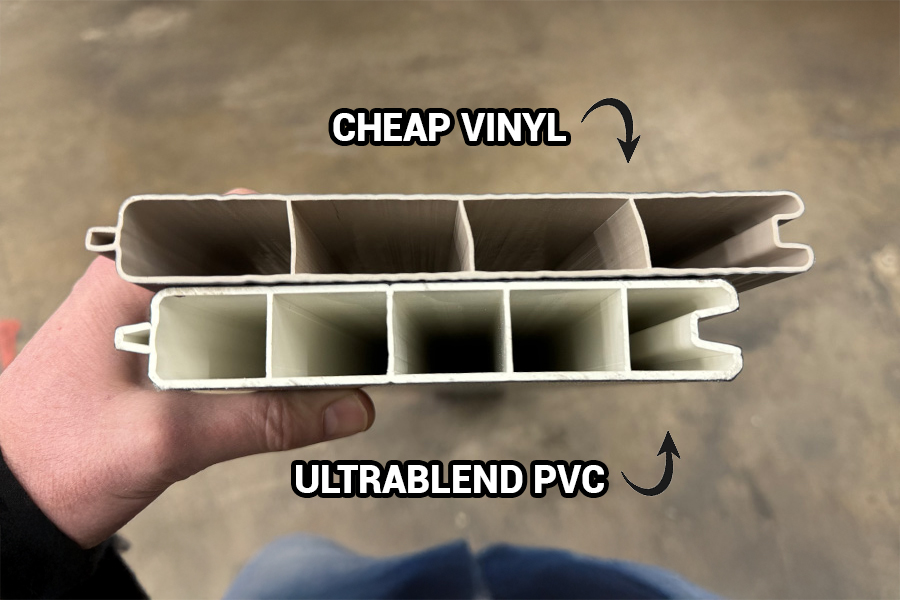
A standout example is Premium UltraBlend, which uses ASA encapsulation and an innovative center web for added impact resistance. As FenceTrac highlights:
"UltraBlend PVC features an innovative center web with superior strength, making UltraBlend more durable than other PVC fencing options on the market."
This internal structure allows the boards to handle moderate impacts, such as hail or falling debris, without significant damage. These design features ensure PVC boards perform exceptionally well in harsh weather and challenging environments.
Weather Resistance and Temperature Stability
PVC boards are built to handle extreme temperatures without losing their shape or integrity. Their minimal expansion and contraction during temperature swings keep them stable in both scorching heat and freezing cold. Unlike metal fencing, which can become uncomfortably hot in summer, PVC stays relatively cool to the touch. In winter, its flexibility helps prevent cracking. Additionally, the non-porous surface created during manufacturing makes PVC boards completely resistant to moisture absorption. This means they won’t swell, warp, or rot, even in heavy rain or high-humidity conditions.
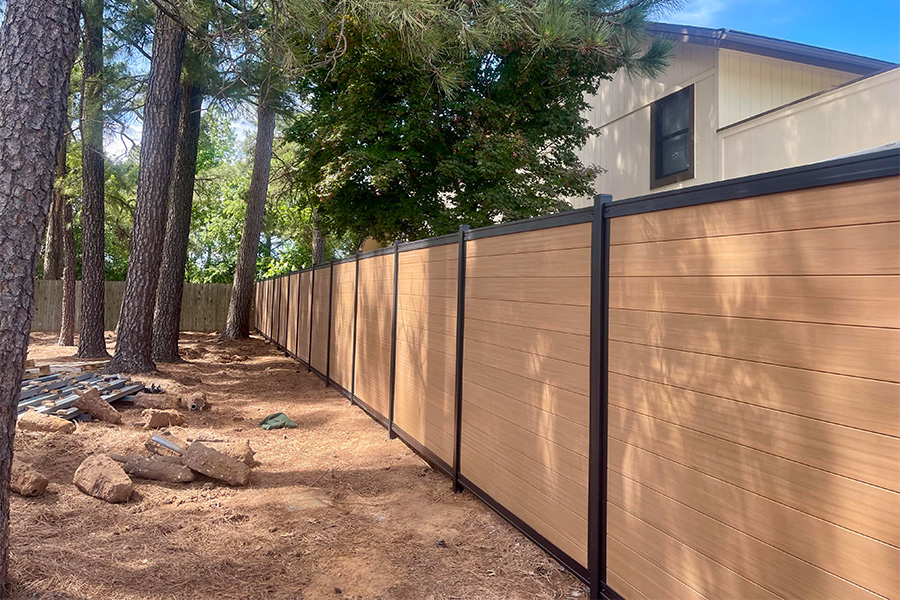
Demac Multiboard explains:
"PVC foam boards are manufactured with UV stabilizers that guard against sunlight damage."
This combination of thermal stability and moisture resistance contributes to the impressive lifespan of PVC fences, which often last 20–30 years or more.
Protection Against Rot, Mold, and Pests
PVC boards also stand out for their ability to resist biological threats. Being a synthetic material, PVC doesn’t attract termites or wood-boring insects, unlike wood, which contains organic cellulose and lignin that pests feed on. As Demac Multiboard notes:
"PVC boards, on the other hand, are impervious to termites and insects. By using PVC boards, you eliminate the risk of structural damage caused by these pests."
Additionally, the non-porous surface of PVC prevents mold and mildew growth by blocking moisture absorption, which is a key factor in their development. While wood requires annual sealing or painting to combat rot, PVC boards only need a simple cleaning with soap and water to maintain their appearance.
How PVC Boards Compare to Wood and Metal
Lifespan Comparison
PVC fences generally last between 20 and 30 years, with premium installations sometimes exceeding 30 years in inland areas. In contrast, pressure-treated pine typically endures around 15 to 20 years, while naturally rot-resistant woods like cedar or redwood can last 20 to 30 years. Metal fencing varies: standard galvanized chain-link fences have a lifespan of about 15 to 20 years, vinyl-coated versions can last 20 to 25 years, and aluminum options often reach 30 to 50 years.
Coastal environments, especially with salty air, can shorten the lifespan of galvanized metal by up to 40%. On the other hand, PVC holds up well in high-humidity conditions. These durability factors make PVC a lower-maintenance option over time.
Maintenance Requirements
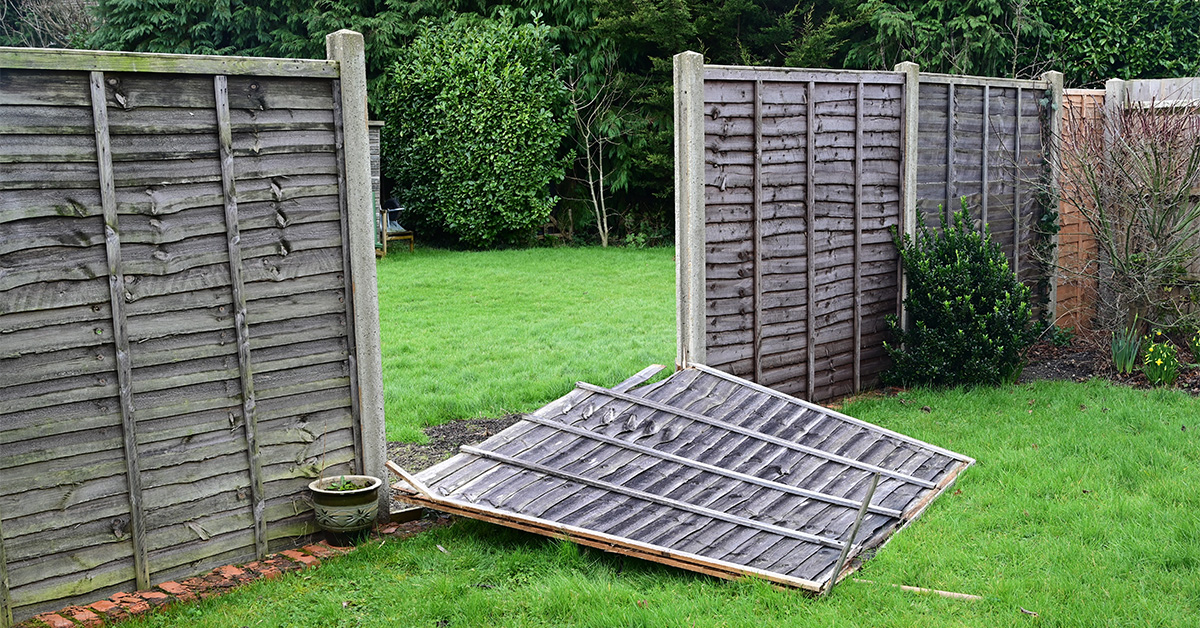
The reduced need for upkeep is another area where PVC outshines wood and metal. Wood fences require resealing or staining every 2 to 3 years and may need occasional board replacements due to insect damage or decay. Metal options like steel and wrought iron demand regular rust-prevention treatments, especially in humid climates. In contrast, PVC and aluminum only need occasional cleaning with soap and water to keep them looking good. As noted by the National Fence Authority:
Wood remains cost-competitive at installation but carries the highest total lifecycle cost over 30-year periods.
Design Options and Compatibility
PVC boards also stand out for their design versatility. Thanks to advancements in manufacturing, modern PVC boards come in a variety of colors and textures that closely resemble natural wood but without the need for constant maintenance. They are designed to resist fading, ensuring a consistent appearance without requiring annual painting. This makes PVC an excellent choice for contemporary fencing systems that balance aesthetic appeal with long-term durability.
UltraBlend PVC Fence Infill by FenceTrac
UltraBlend PVC Features
UltraBlend PVC fence infill takes the durability of PVC to the next level, offering exceptional performance in a variety of environments. With built-in UV stabilizers, these boards retain their appearance over time, resisting fading without the need for constant painting or refinishing.
The non-absorbent nature of UltraBlend PVC means it won’t swell, warp, or rot. It also stands up to termites, wood-boring insects, and extreme temperatures, all while maintaining its structural integrity. Additionally, the boards provide excellent chemical resistance and can handle impacts, making them ideal for high-traffic areas. Best of all, they require very little upkeep to stay in great condition.
These features position UltraBlend as a step forward in PVC fencing, combining proven durability with enhanced performance.
Why Choose FenceTrac for PVC Fencing
FenceTrac pairs the advanced qualities of UltraBlend PVC with a reliable, complete fencing system. The durability of PVC boards is well-established, and FenceTrac’s design ensures these benefits are maximized in every installation.
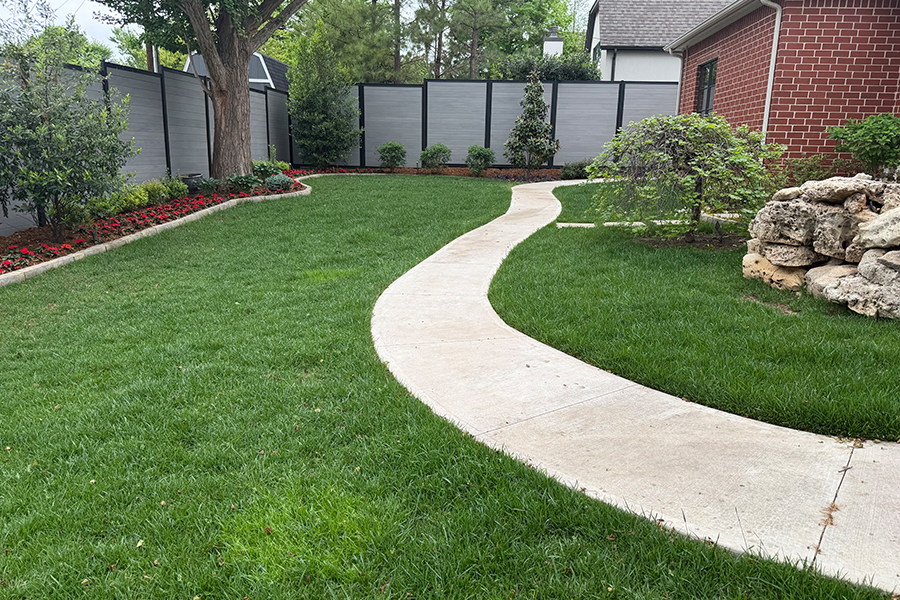
At the heart of the system is FenceTrac’s patented U-channel steel frame, which provides a strong and secure foundation for the UltraBlend PVC infill. Manufactured in the USA, FenceTrac systems come in complete kits, including posts, walk-thru gates, sliding gates, infill panels, and all necessary hardware. The design focuses on ease of assembly while delivering commercial-grade strength. This combination of a robust frame and low-maintenance PVC creates fencing solutions designed to last for decades.
Conclusion
PVC boards offer exceptional durability and require minimal upkeep thanks to their resistance to moisture, pests, fading, and brittleness. They can withstand extreme temperatures without compromising their structural integrity. This means fewer repairs, no need for regular staining, and a consistently appealing look.
Modern manufacturing techniques – incorporating UV stabilizers, chemical resistance, and a non-absorbent design – further enhance the lifespan of PVC boards compared to traditional materials. Whether it’s harsh winters, blazing summers, or heavy use, PVC remains strong and maintains its appearance with little effort.
For a comprehensive fencing solution, FenceTrac’s UltraBlend PVC fence infill stands out. Paired with FenceTrac’s patented U-channel steel frame system, it combines commercial-grade strength with design versatility that outperforms conventional options.
Choose UltraBlend PVC fence infill by FenceTrac for a durable, low-maintenance fencing solution that delivers long-term value and lasting peace of mind.
FAQs
Is virgin PVC better than recycled PVC for fencing?
Virgin PVC is often the go-to choice for premium vinyl fencing because of its better color retention and stronger structural integrity. While recycled PVC is a more eco-conscious option, virgin PVC tends to deliver greater durability and long-lasting performance, making it a preferred material for fencing that needs to withstand the test of time. Both materials have their merits, but virgin PVC stands out in applications where quality and longevity are priorities.
Will PVC fencing turn brittle or fade in full sun?
PVC fencing is built to handle extended exposure to the sun without becoming brittle or losing its color. Thanks to modern UV inhibitors in its formulation, it maintains its durability and appearance over the long haul, with minimal fading.
Can UltraBlend PVC handle impacts like hail or debris?
The information provided doesn’t mention UltraBlend PVC’s ability to withstand hail or debris impacts. For specific performance details, it’s best to reach out to the manufacturer directly.