
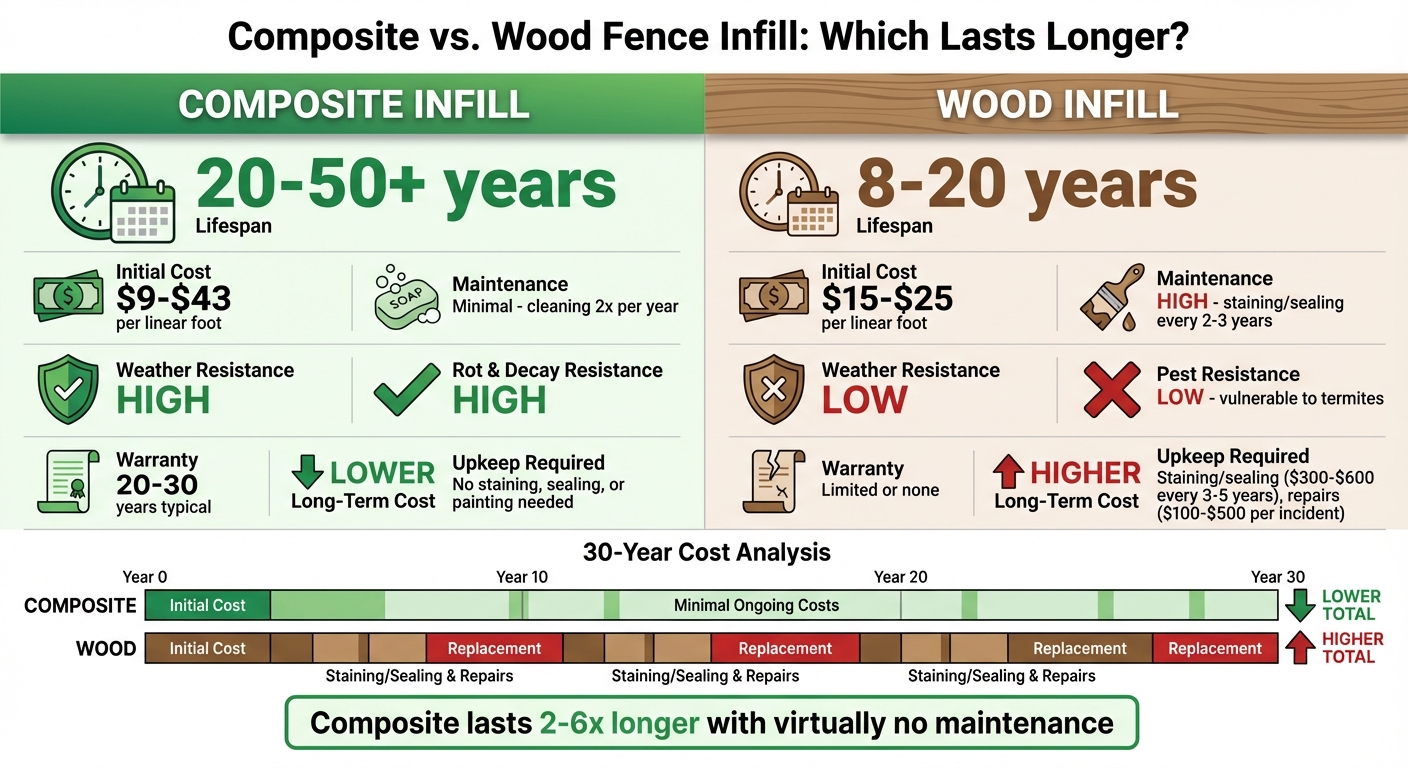
When choosing between composite and wood fence infill, composite clearly lasts longer and requires less maintenance. Composite infill, made from recycled wood fibers and plastic, resists rot, pests, and weather damage, with a lifespan of 20–50+ years.

Wood infill, while initially cheaper, typically lasts 8–20 years and demands regular upkeep like staining and sealing to prevent decay. Over time, composite proves more cost-effective despite its higher upfront cost, especially when paired with systems like FenceTrac’s steel frame.
Quick Comparison
| Feature | Composite Infill | Wood Infill |
|---|---|---|
| Lifespan | 20–50+ years | 8–20 years |
| Maintenance | Minimal (cleaning twice a year) | High (staining/sealing needed) |
| Weather Resistance | High | Low |
| Initial Cost | $9–$43/linear foot | $15–$25/linear foot |
| Long-Term Cost | Lower | Higher (due to upkeep/replacement) |
Composite offers durability, low maintenance, and long-term savings, while wood requires more care and has a shorter lifespan.
Composite vs Wood Fence Infill: Lifespan, Cost & Maintenance Comparison
Composite vs Wood Fence | Comparison Guide: Benefits, Costs
How Long Each Material Lasts
When deciding between composite and wood infill for your FenceTrac system, understanding how long each material lasts can help shape your long-term investment strategy.
Composite Infill Lifespan
Composite infill tends to last anywhere from 20 to over 50 years. Its durability comes from a combination of recycled wood fibers and plastic polymers, resulting in a dense, weather-resistant material. The plastic element plays a key role in safeguarding against rot, decay, moisture damage, and pests, while UV inhibitors built into the material help slow down color fading over time.

To back up these claims, many manufacturers offer warranties ranging from 20 to 30 years, showing their confidence in the material’s ability to perform over the long haul.
Wood Infill Lifespan
Wood infill, on the other hand, has a shorter expected lifespan, typically lasting between 8 and 20 years. While regular upkeep – like staining, sealing, or painting – can help extend its life, wood remains vulnerable to outdoor conditions.

Moisture can cause swelling, splitting, warping, and cracking, which, in turn, makes it more susceptible to rot, decay, and pest infestations, including termites and ants. Even pressure-treated wood isn’t foolproof, as its protective treatments eventually wear off over time.
The table below offers a side-by-side comparison of these durability factors.
Lifespan Comparison Table
| Feature | Composite Infill | Wood Infill |
|---|---|---|
| Average Lifespan | 20-50+ years | 8-20 years (up to 50 with extensive care) |
| Rot & Decay Resistance | High – resists rot, decay, and mold | Low – prone to rot, decay, and mold |
| Pest Resistance | High – resists termites and other pests | Low – vulnerable to termites, ants, and more |
| Weather Resistance | High – resists warping, cracking, splitting, and fading | Low – prone to warping, cracking, splitting, and fading |
| Warranty Coverage | Typically 20-30 years | Limited or none |
How Each Material Handles Weather and Damage
Weather Resistance Comparison
Composite infill stands up to harsh weather far better than wood. Whether it’s heavy rain, snow, or intense sunlight, composite materials hold their shape and structure. Thanks to their blend of recycled plastic and wood fibers, they form a dense barrier that resists warping, cracking, and splitting, even in extreme conditions. Plus, built-in UV stabilizers help protect against sun damage, keeping the color consistent over time.

On the other hand, wood infill struggles under similar conditions. Moisture can seep into wooden boards, causing them to swell, split, and eventually warp. UV rays also take a toll, leading to fading and discoloration, which means frequent resealing or restaining is needed to keep the wood protected. Even pressure-treated wood isn’t immune – it still requires regular upkeep, and in waterlogged soil, wooden posts can shift.
Beyond weather resistance, the ability to fend off rot is another key difference between the two materials.
Rot and Decay Resistance
Without consistent maintenance, wood is highly susceptible to decay. Composite, on the other hand, absorbs minimal moisture, making it much more resistant to rot. Its synthetic makeup provides an extra layer of protection against decay. That said, research from the USDA Forest Products Laboratory indicates that in persistently wet climates, even wood-plastic composites can develop microcracks over time, which might allow moisture in and lead to fungal growth.

In humid conditions, wood decomposes even faster, necessitating frequent applications of sealants or stains to slow the process. Without this upkeep, wood’s natural vulnerabilities become even more pronounced.
The table below highlights how each material performs when exposed to different environmental stresses.
Environmental Stress Comparison Table
| Environmental Factor | Composite Infill | Wood Infill |
|---|---|---|
| Heavy Rain/Snow | Minimal moisture absorption; resists warping and cracking | Swells, splits, and warps; posts may shift in rain-soaked soil |
| Intense Sunlight | UV stabilizers preserve color and reduce fading | Fades quickly; needs regular sealing to prevent damage |
| Temperature Fluctuations | Stable performance with proper installation | Expands and contracts, increasing the risk of cracking |
| Moisture Damage | Highly resistant to rot and decay | Very susceptible; requires frequent maintenance |
sbb-itb-908b3eb
Maintenance Needs for Each Material
Composite: Low Maintenance
Thanks to its durability, composite infill keeps maintenance simple and stress-free. All it takes is a quick wash with soap and water twice a year to maintain its appearance – no fancy treatments needed. Unlike wood, composite boards don’t require staining, sealing, or repainting. They naturally resist moisture, mold, mildew, fading, and small scratches. Dirt can be easily removed with a hose and a soft brush.
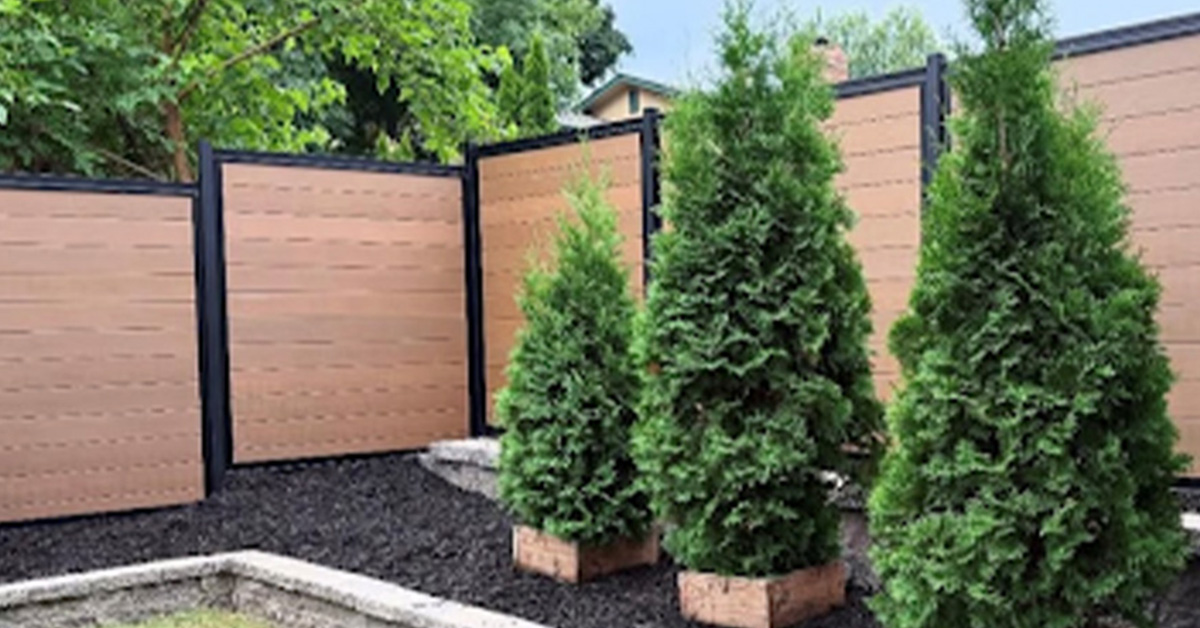
Capped composite boards take it a step further, offering even stronger resistance to stains and fading with virtually no upkeep. For tougher mold or mildew spots, a mix of white vinegar and water or a low-pressure wash does the trick. This low-maintenance approach not only saves effort but also reduces costs over time.
Wood: Regular Upkeep Required
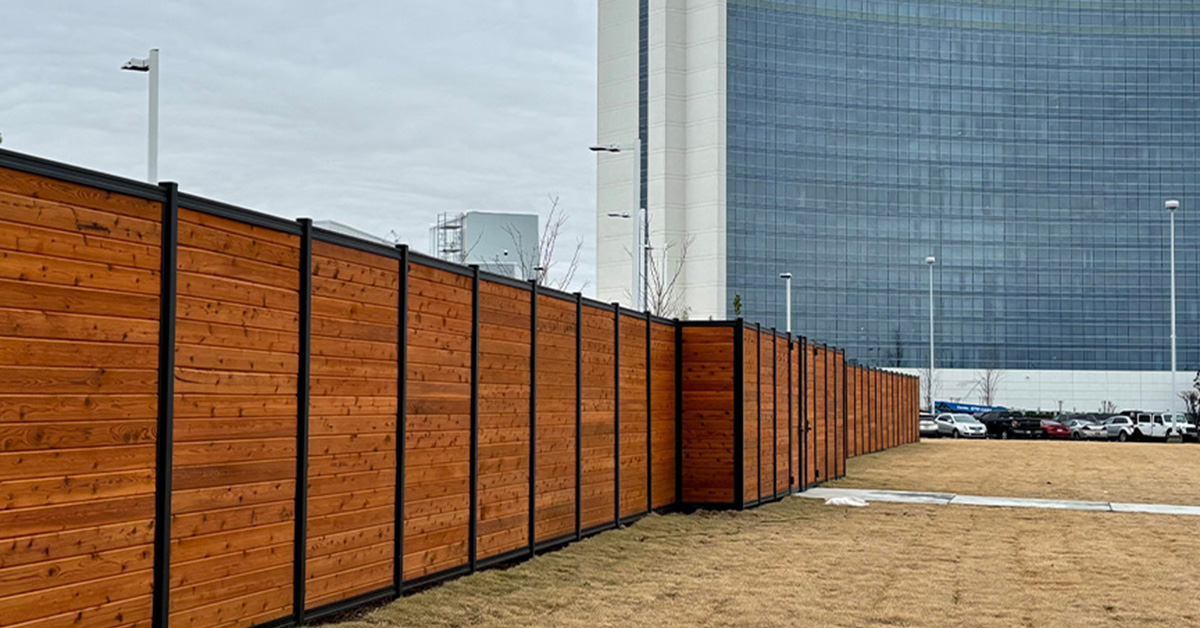
Wood infill, on the other hand, needs consistent care to address its natural vulnerabilities. To guard against moisture and decay, you’ll need to stain or seal the wood every two to three years. Annual cleaning is also essential to clear dirt and prevent mildew buildup. Regular inspections are a must to catch early signs of rot, warping, or pest issues – like termites – before they escalate. Damaged boards may need replacing to keep the structure sound. Non-pressure-treated wood requires additional coatings for protection, and periodic painting can help combat fading while improving its look. While wood infill might have a lower upfront cost, the ongoing maintenance expenses can add up significantly over time, impacting both its lifespan and overall cost.
Maintenance and Cost Comparison Table
| Maintenance Task | Composite Infill | Wood Infill |
|---|---|---|
| Routine Cleaning | Occasional wash with soap and water | Pressure washing 1–2 times per year |
| Staining/Sealing | Not required | Needed every 2–3 years |
| Painting | Not required | Needed periodically |
| Inspections | Minimal; occasional check for surface dirt | Annual inspections for damage |
| Repairs | Generally fewer repairs needed | More frequent repairs and replacements |
| Long-Term Cost | Lower due to minimal upkeep | Higher due to ongoing labor and materials |
The difference in maintenance requirements plays a big role in shaping the long-term costs of these materials. Composite offers convenience and cost-efficiency, while wood demands more time, effort, and financial investment over its lifetime.
Cost Comparison: Upfront vs. Long-Term
Composite: Higher Initial Cost, Lower Long-Term Cost
Composite infill comes with a price tag of $9–$43 per linear foot, averaging around $28 when installed. This is approximately 50–100% more expensive than pressure-treated pine at the outset.
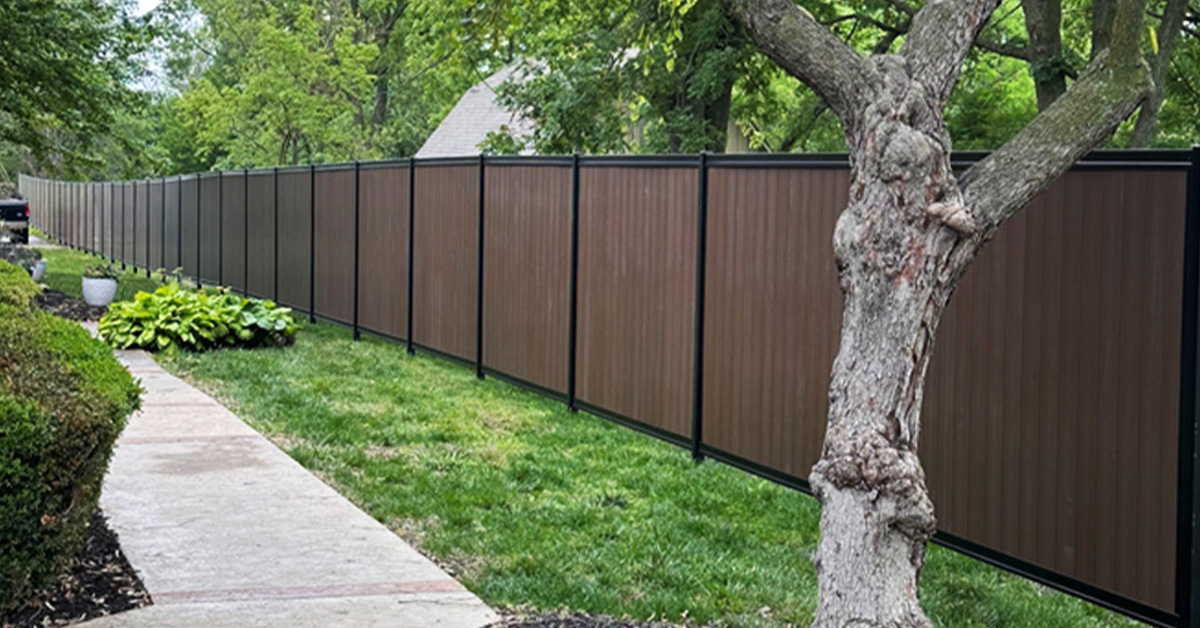
However, this upfront investment pays dividends over time. Composite infill is highly durable, eliminating the need for regular maintenance like staining, sealing, or frequent repairs. Over its lifespan – typically 20–30 years, or even 30–50 years for premium options – these minimal upkeep requirements translate into substantial savings. Additionally, the FenceTrac system enhances this value by combining composite infill with a patented U-channel steel frame, which extends the fence’s life and reduces the need for replacements.
In contrast, while wood infill may seem more affordable initially, its long-term costs are considerably higher.
Wood: Lower Initial Cost, Higher Long-Term Cost
Wood infill offers a lower upfront cost, ranging between $15–$25 per linear foot, with installation costs falling between $20–$50 per linear foot.
However, wood fences require regular maintenance. Staining or sealing every 3–5 years can cost between $300–$600, and repairs often range from $100–$500 per incident. With a lifespan of only 10–20 years, it’s likely that you’ll need to replace a wood fence entirely while a composite fence continues to function. Over time, these recurring expenses for maintenance, repairs, and replacement add up significantly.

The table below highlights the lifetime cost differences between composite and wood infill.
Lifetime Cost Comparison Table
| Cost Factor | Composite Infill | Wood Infill |
|---|---|---|
| Initial Material Cost | $9–$43 per linear foot | $15–$25 per linear foot |
| Installed Cost | ~$28 per linear foot | $20–$50 per linear foot |
| Staining/Sealing | $0 | $300–$600 every 3–5 years |
| Repair Costs | Minimal | $100–$500 per incident |
| Expected Lifespan | 20–50 years | 10–20 years |
| Total Cost Over 30 Years | Lower (one-time investment + minimal upkeep) | Higher (initial cost + repeated maintenance and replacement) |
While composite infill requires a larger initial investment, it provides better value over the long run due to its durability and low maintenance needs. When paired with the FenceTrac system’s sturdy U-channel steel frame, composite infill outlasts wood, offering decades of reliable performance and cost efficiency.
Conclusion: Composite Infill Lasts Longer
When you compare composite and wood fence infill, the difference is striking. Composite infill outperforms wood in durability, resisting moisture, rot, decay, and pests far better than its wooden counterpart.
While composite infill does come with a higher upfront price, it eliminates the need for the ongoing maintenance that wood fences require. Wood fences often demand regular upkeep, such as staining, sealing, or replacing damaged boards. In contrast, composite fences only need occasional cleaning. Over a 30-year period, these reduced maintenance costs can lead to substantial savings, making the initial investment in composite infill a smart long-term choice.
Key Benefits for FenceTrac Systems
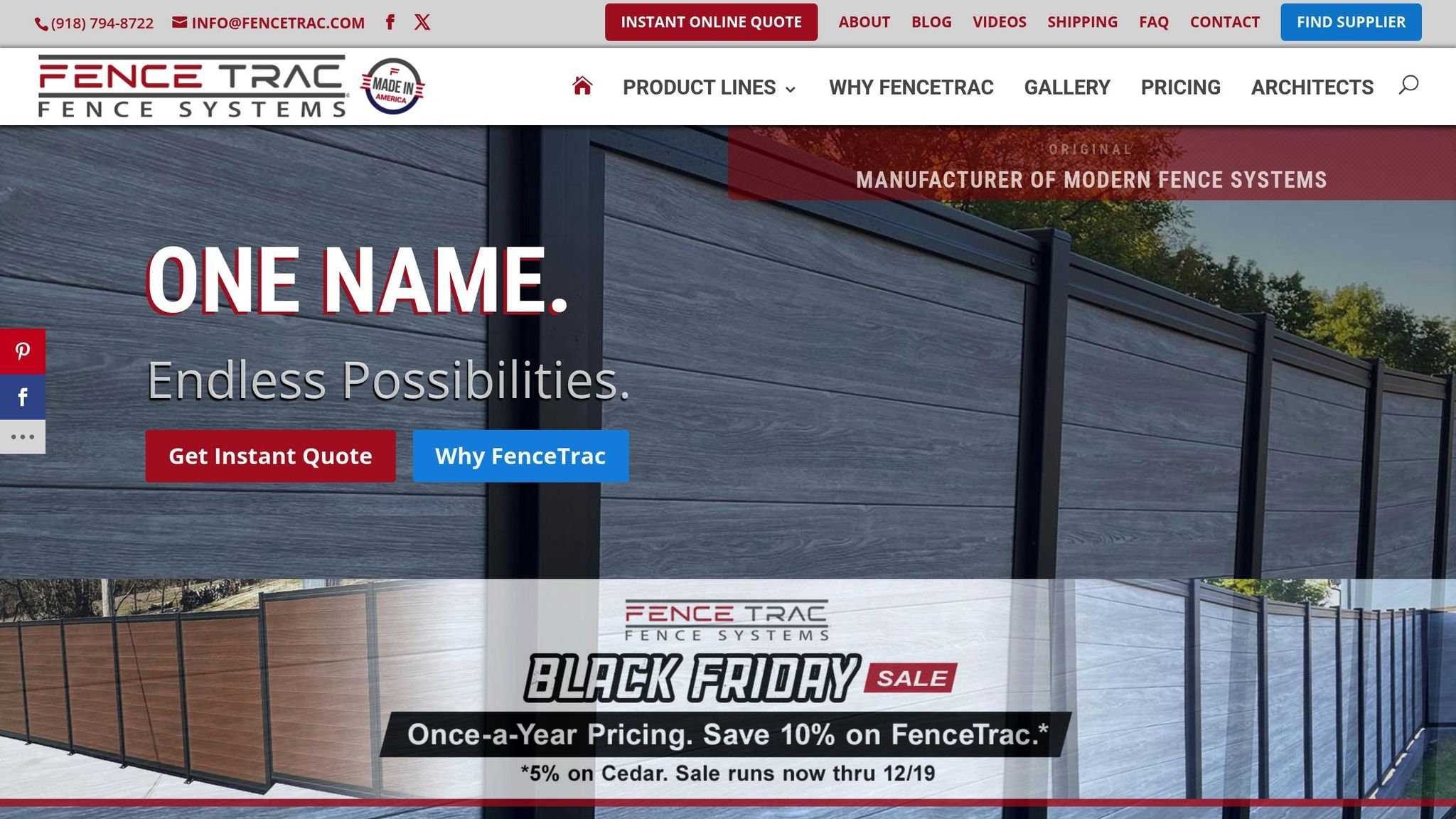
For those using FenceTrac systems, the advantages of composite infill are even greater. When combined with the patented U-channel steel frame, the system is designed for exceptional durability and minimal maintenance. Forget about restaining, resealing, or replacing boards – this system is built to last. While wood may seem like the cheaper option at first, composite infill offers greater durability, lower upkeep, and a better overall value over time.
FAQs
What are the long-term savings of choosing composite over wood for fence infill?
Composite fence infill stands out as a smart long-term investment thanks to its durability and minimal upkeep needs. Designed to last 20–30 years, composite materials resist common issues like rot, pest damage, and weathering, significantly reducing the need for repairs or replacements compared to traditional wood.
Although the upfront cost of composite materials may be higher, the savings over time are clear. Unlike wood, composite doesn’t demand frequent maintenance tasks like staining or sealing, making it a practical and cost-efficient option in the long run. For those looking for a dependable and long-lasting fencing solution, composite infill is a choice that pays off.
How does weather affect the durability of composite and wood fence infill?
Weather affects composite and wood fence infill differently, and understanding these differences can help you choose the right option for your needs.
Composite fences are built to handle tough weather. They resist damage from rain, snow, and UV rays, which means they don’t warp, crack, or fade easily. This durability makes them a low-maintenance choice, especially in areas with extreme or unpredictable weather.
Wood fences, however, need more care to stand up to the elements. Without routine upkeep, they can rot, warp, or crack when exposed to moisture, temperature changes, and sunlight. To keep them in good shape, treatments like sealing, staining, or painting are essential for protecting against weather-related damage.
How does the maintenance for composite infill compare to wood infill?
Composite infill offers a hassle-free solution for those who prefer minimal upkeep. A simple rinse with water every now and then is all it takes to keep it looking great. Plus, there’s no need for painting, staining, or sealing, and it naturally resists common issues like rot, warping, and insect damage.
On the other hand, wood infill demands consistent care to stay in good shape. This includes regular painting, staining, and sealing, along with addressing challenges such as rot, warping, or pest infestations over time. For anyone prioritizing durability and convenience, composite infill stands out as a smart, low-maintenance alternative.