
When selecting fence infill materials, your decision impacts privacy, durability, maintenance, and style. Here’s what you need to know:
- Privacy Needs: For maximum privacy, opt for solid options like composite or PVC. Semi-private designs like aluminum pickets or wire mesh balance visibility and airflow.
- Durability: Composite and PVC resist moisture, UV damage, and pests. Cedar offers a natural look but requires regular upkeep.
- Maintenance: Composite and PVC need minimal cleaning, while wood requires sealing or staining over time.
- Budget: Cedar is cheaper upfront but has higher long-term costs. Composite and PVC cost more initially but save on maintenance.
- Weather Conditions: Nonporous materials like PVC and composite perform better in humid or sunny regions. Steel frames provide strength in windy areas.
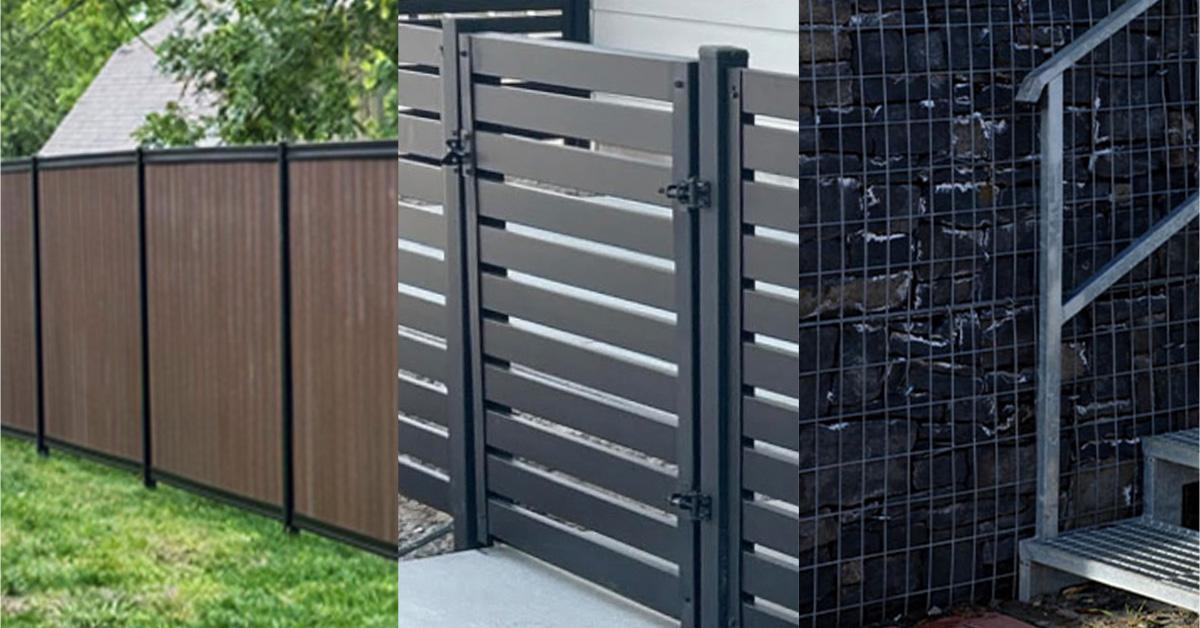
FenceTrac‘s steel frame system simplifies installation and repairs, working with various infill materials like composite, PVC, cedar, aluminum, and even custom options like bamboo or metal. This system ensures long-lasting performance with reduced maintenance.
Quick Tip: For low-maintenance, durable fencing, LuxeCore Composite or UltraBlend PVC paired with FenceTrac’s steel frame is a smart choice.
FenceTrac‘s Steel Frame System and Infill Options
How the Steel Frame System Works
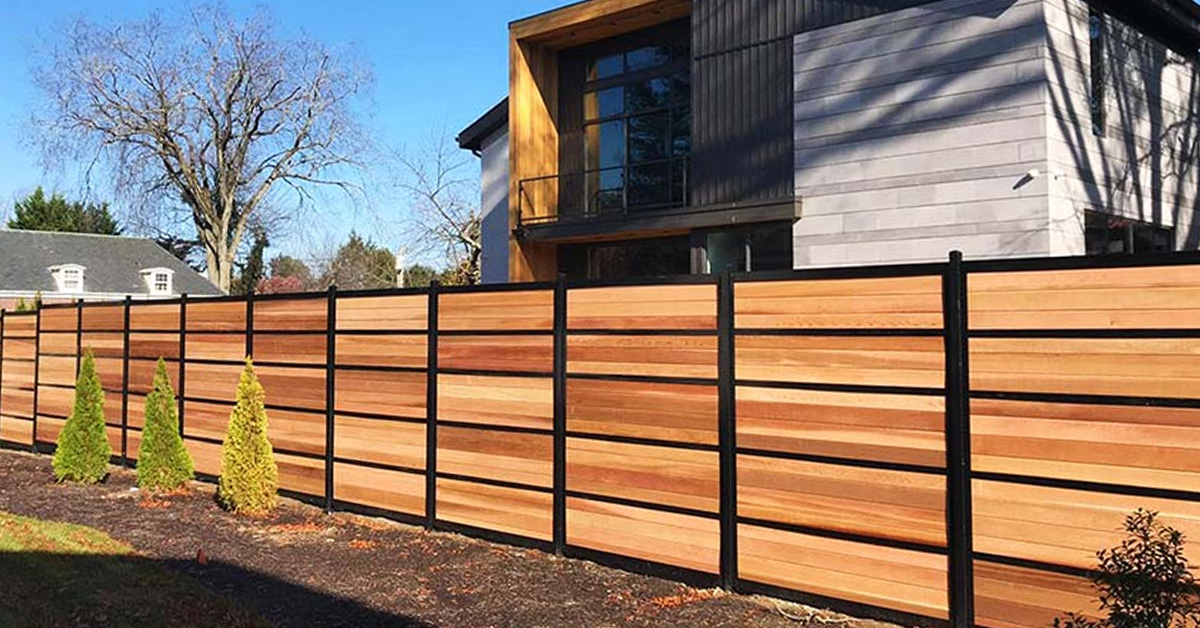
FenceTrac offers a patented system that swaps out traditional wood posts and rails for steel ones, using 18-gauge galvanized steel. The design features U-shaped steel rails that create a continuous track around each panel – covering the bottom, sides, and top. This top rail locks the infill boards securely along every edge. The infill slides into the channel and stays in place through friction. It accommodates rigid materials up to 1 inch thick, with boards that can be installed either vertically or horizontally, depending on your preferred look – whether modern or classic.
Since the steel frame handles the structural load, the infill boards are less likely to sag, warp, or come loose over time, unlike traditional nailed or screwed pickets. If a board gets damaged, replacing it is simple: remove the top rail, slide out the old board, and slide in a new one. The steel parts are pre-treated in multiple stages, then coated with a heat-cured TGIC Polyester powder in a textured matte black finish, making them highly resistant to weather. This durable framework provides a solid base for a variety of design options.
Privacy, Semi-Privacy, and Open Designs
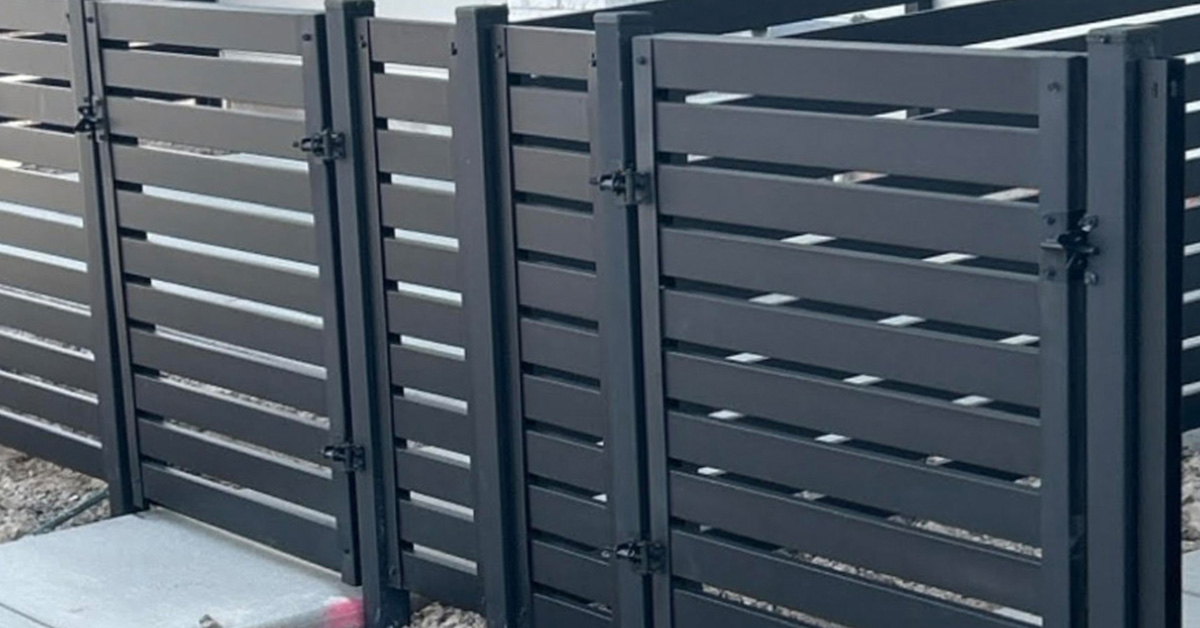
The U-channel steel frame works with a range of designs, from full privacy to open layouts, depending on the infill pattern you choose. For complete privacy, tongue-and-groove boards or tightly stacked materials like composite, PVC, or cedar eliminate gaps, making these fences perfect for backyards, pool areas, or other spaces where privacy is key. Semi-privacy designs use options like spaced aluminum pickets, alternating solid and open sections, or combinations such as welded wire paired with solid boards. These configurations balance privacy with airflow and light, making them ideal for property lines. Open designs, on the other hand, use infills like welded wire mesh, metal screens, or decorative panels, which maintain security while maximizing visibility and ventilation. These are often seen in commercial properties, pet enclosures, or as eye-catching front-yard accents.
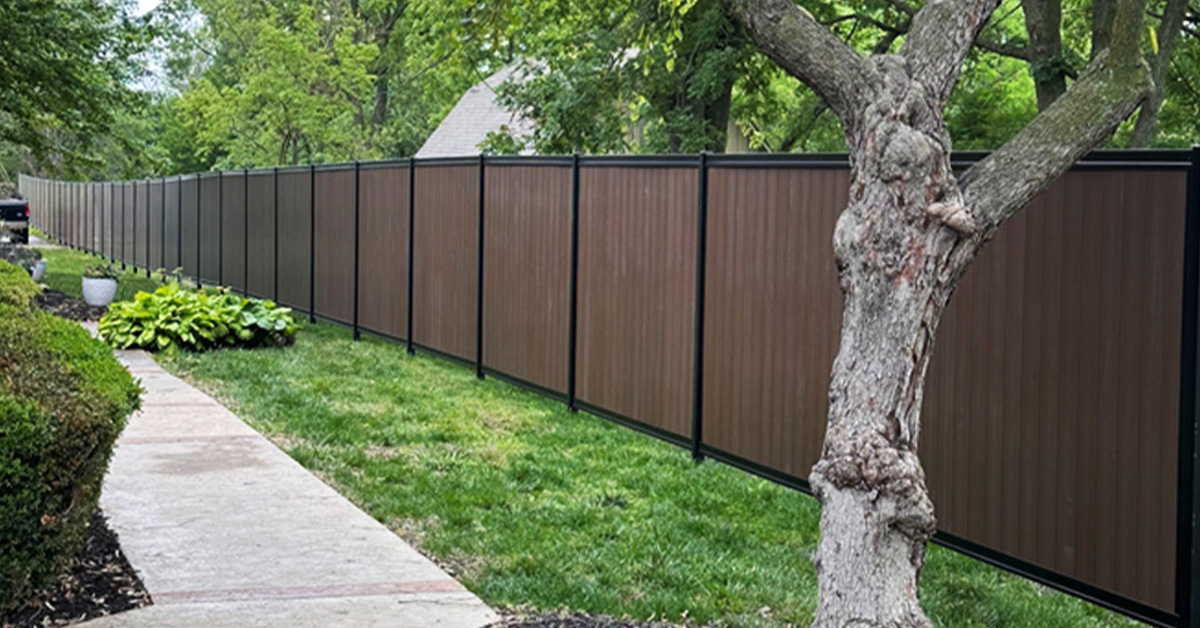
The steel frame is versatile enough to adapt to sloped terrain, allowing panels to step or angle smoothly along hills without leaving noticeable gaps at the bottom. For areas exposed to strong winds, the steel posts and channels provide a sturdier structure than wood, helping to prevent damage from racking or wind pressure. This flexibility in design ensures that both aesthetics and functionality are well-balanced. Plus, the choice of infill material plays a big role in determining the fence’s durability and maintenance needs.
Why Infill Choice Matters
While the steel frame ensures structural strength, the infill material dictates how the fence performs over time. Durable options like composite and aluminum resist denting, rotting, and insect damage. When supported by the U-channel, these materials hold up well under daily wear and varying weather conditions. Natural woods like cedar, while offering a timeless and warm appearance, are more susceptible to moisture, UV damage, and pests. They also require more frequent upkeep.
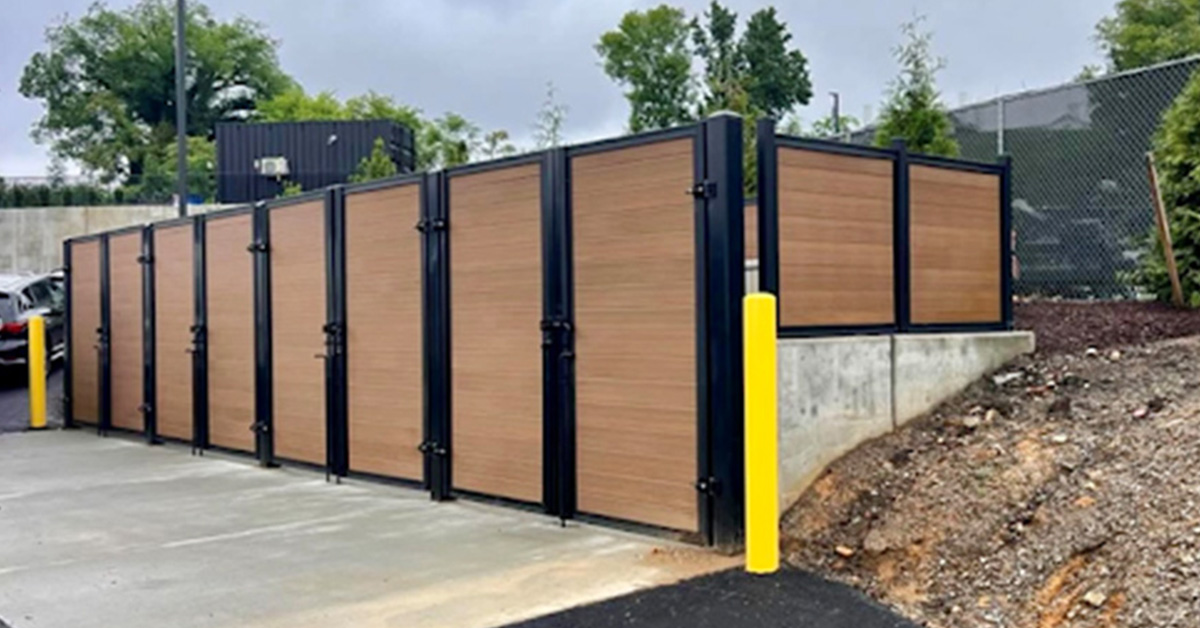
Your choice of infill also affects maintenance and long-term costs. Composite and PVC infills, when paired with steel frames, typically need just occasional cleaning with water and mild soap. Many of these materials come with extended warranties, which can offset the higher upfront cost with years of low-maintenance use. Cedar, on the other hand, may have a lower initial price and a natural look, but it requires regular sealing, staining, or painting, along with eventual board replacements. Over time, this can lead to higher maintenance expenses. For commercial properties, the reduced need for upkeep and the extended lifespan of premium infills can result in substantial savings on labor and materials, especially for large-scale installations.
What to Consider When Selecting Infill Materials
Your Property Goals
Start by identifying the main purpose of your fence. If privacy is your priority – whether for a backyard, pool area, or roadside property – solid infill materials like LuxeCore Composite or UltraBlend PVC are excellent choices. These tongue-and-groove boards fit seamlessly together, completely blocking sightlines and even helping to reduce noise. For security with some visibility, options like aluminum pickets or welded wire mesh strike a balance between protection and openness.
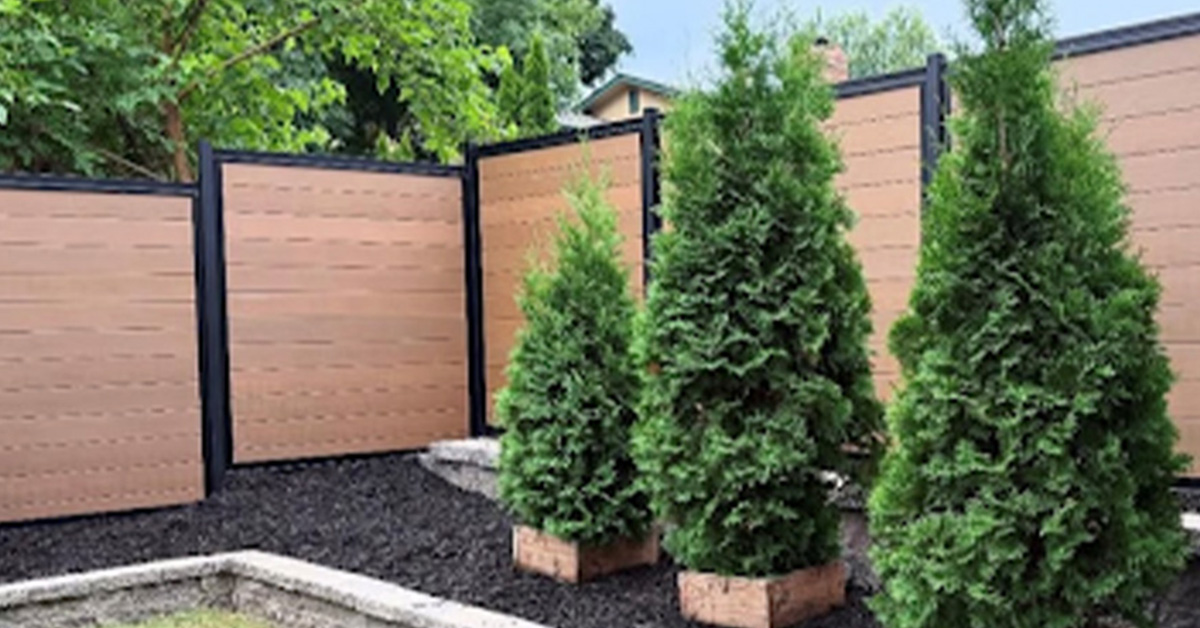
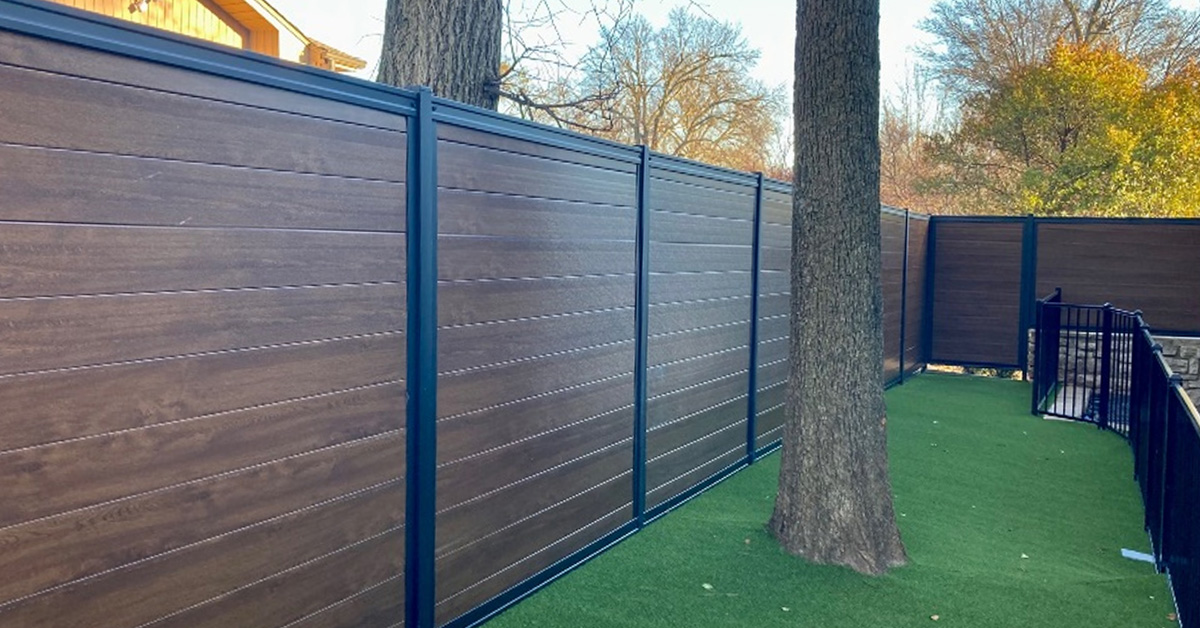
Aesthetic appeal is another key factor. LuxeCore’s wood-grain finishes, such as Timber Brown, bring a sleek, modern look that pairs beautifully with contemporary home designs. On the other hand, natural cedar offers a classic, warm appearance but requires regular upkeep to maintain its charm. If your fence needs to allow airflow and light – for example, in front yards, dog runs, or property line fencing – spaced pickets or slats provide a good mix of openness and partial screening.
Lastly, think about how well the material can handle your local weather conditions – more on that below.
Weather and Climate Conditions
The performance of your infill materials can vary greatly depending on your region’s climate. In sun-drenched areas like the Southwest or Texas, UV rays can cause cedar to fade and turn gray unless it’s regularly sealed. LuxeCore and UltraBlend, however, are designed to resist sun damage, thanks to ASA encapsulation that prevents fading and brittleness. In wet climates – such as the Gulf Coast or Pacific Northwest – materials like cedar, which absorb moisture, are prone to mold and mildew. Nonporous options like PVC and composites are much better suited for these conditions, offering better durability and resistance to water damage.
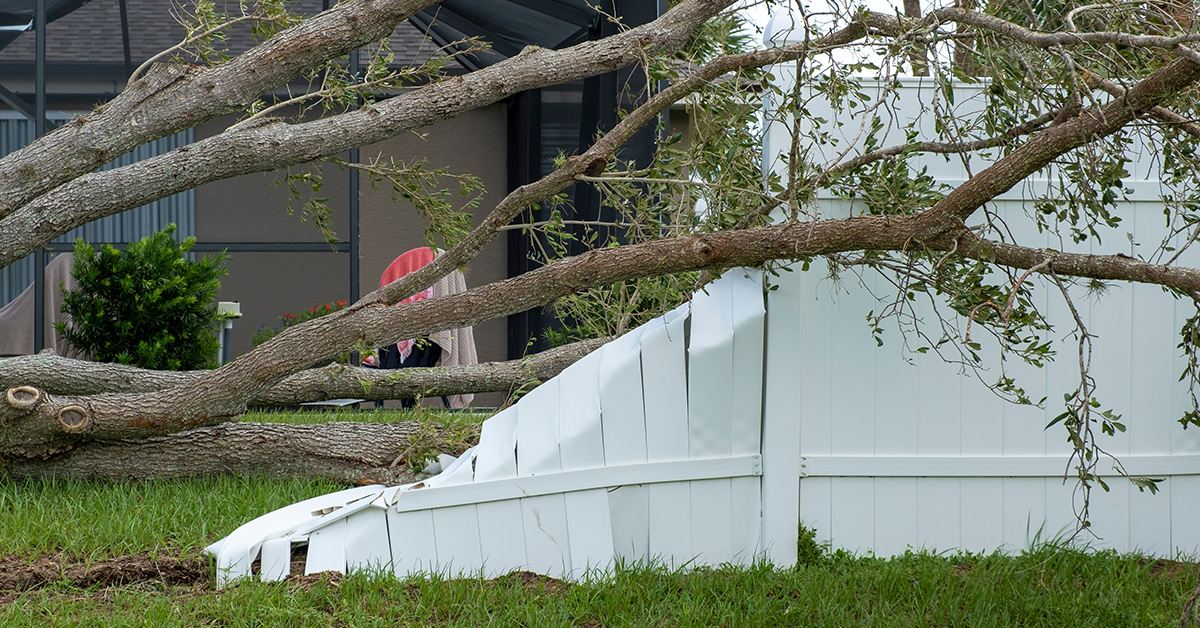
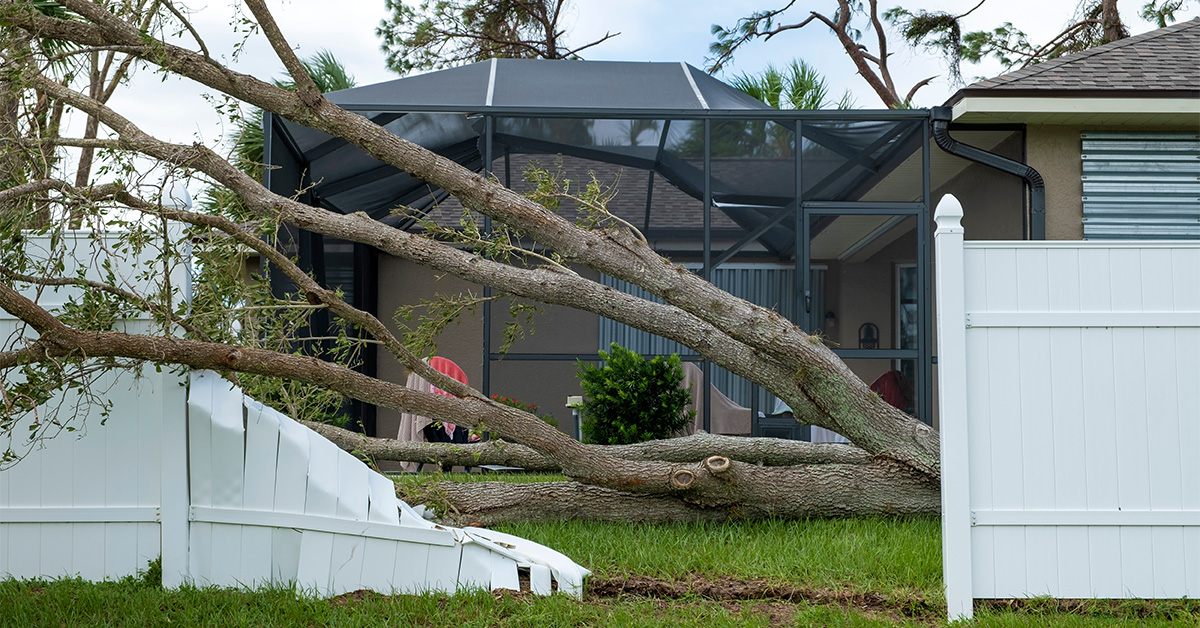
Don’t forget to account for wind load, especially in storm-prone regions. A sturdy steel frame like FenceTrac’s provides a solid foundation, and pairing it with impact-resistant infills such as LuxeCore ensures your fence can handle high winds without warping or sagging. For coastal environments, UltraBlend PVC’s thicker walls and reinforced webbing offer added protection against salt air and humidity.
Maintenance and Budget
When choosing your infill material, it’s important to look beyond the initial cost and think about long-term expenses. Cedar is one of the most affordable options upfront, costing about $15–$25 per linear foot. However, it requires annual staining or sealing, which adds roughly $0.50–$1.00 per linear foot each year, along with periodic board replacements. For a 200-foot fence, this means an initial cost of around $8,000, plus about $2,000 in maintenance every five years.
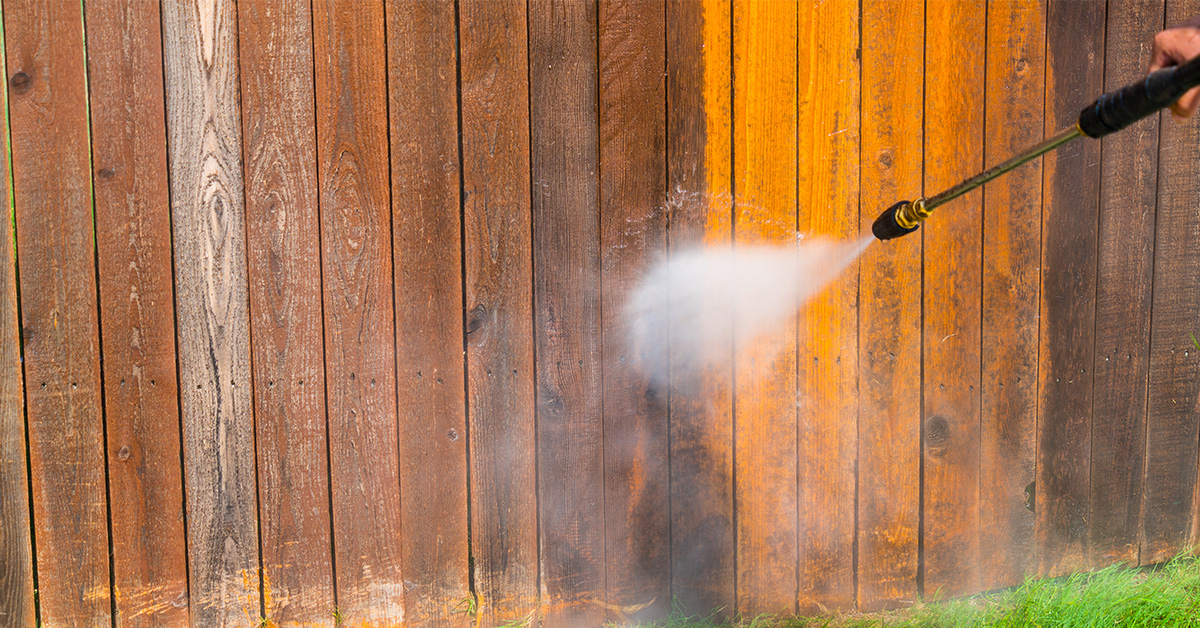
On the other hand, UltraBlend PVC costs about $6,000 for the same length and requires minimal upkeep – just an occasional wash with water and mild soap. LuxeCore, while more expensive upfront at $40–$60 per linear foot, comes with a limited lifetime warranty and eliminates the need for painting, staining, or sealing.
When planning your budget, think about the total cost over 20–25 years. While cedar might seem like the cheaper option initially, the ongoing maintenance costs can add up, making low-maintenance materials like composite and PVC a more cost-effective choice in the long run.
Perimtec Cedar Fence Installation
sbb-itb-908b3eb
FenceTrac’s Infill Material Options
FenceTrac offers a range of infill materials, including LuxeCore composite, UltraBlend PVC, and aluminum pickets/boards, along with natural cedar and custom materials. These options expand the functionality of FenceTrac’s patented steel frame system, giving you flexibility to create a fence that suits your style and needs.
LuxeCore Premium Composite Boards
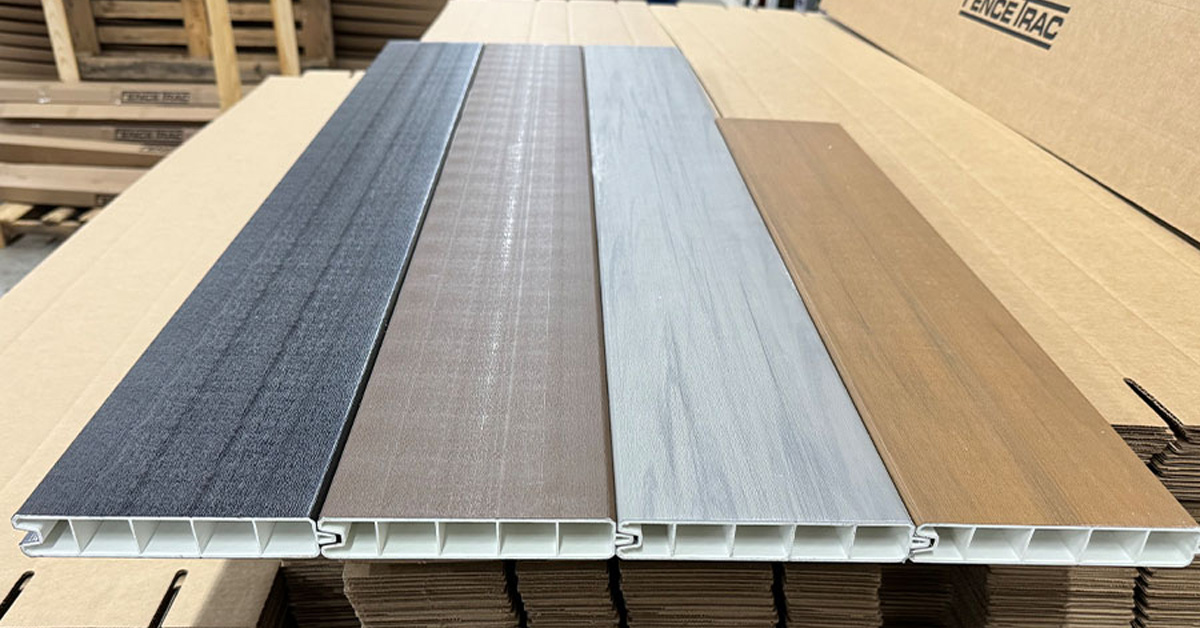
LuxeCore boards are engineered for durability and style, combining a cellular PVC core, a 6063-T5 aluminum layer, and an ASA resin cap for excellent weather resistance. Each board is available in 6-foot lengths with four wood-grain colors: Black Onyx, Harbor Gray, Timber Brown, and Tropical Teak. Choose between a 6-inch tongue-and-groove plank for full privacy or a 3-inch slat for semi-privacy. Each board weighs about 10 lbs and requires minimal upkeep – just occasional washing.
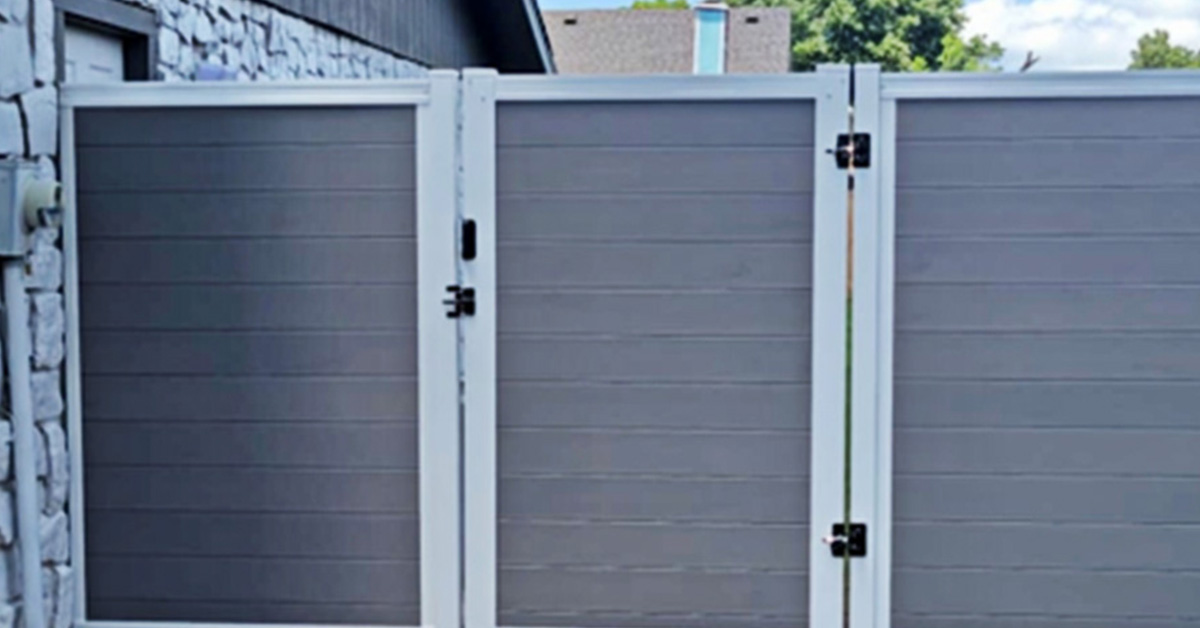
The aluminum layer enhances strength and prevents warping, while the ASA resin cap, commonly used in automotive exteriors, provides superior protection against the elements. LuxeCore is nonporous, so it resists moisture, rot, mold, and mildew, eliminating the need for painting, staining, or sealing. Backed by a 20-year structural guarantee, LuxeCore is a great choice for modern homes or commercial properties, especially in coastal or humid climates.
UltraBlend PVC Boards
UltraBlend PVC boards are designed for toughness and low maintenance, featuring thicker walls and internal webbing that double the wall thickness of standard PVC. Each board measures 71½ inches by 5-7/8 inches and 1 inch thick, with a weight of approximately 5 lbs.
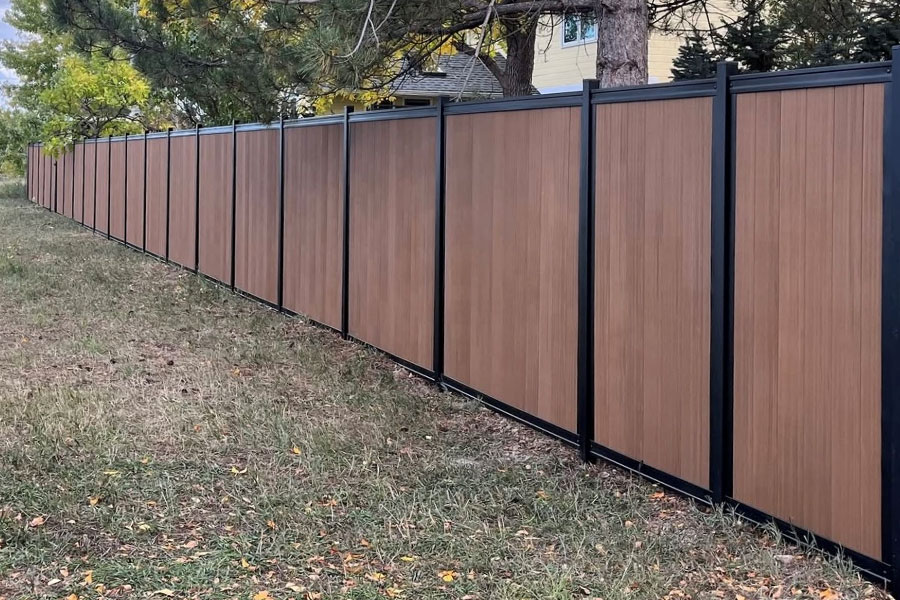
The ASA-encapsulated surface protects against fading, cracking, and discoloration, a significant improvement over traditional PVC. These boards come in the same four wood-tone colors with a textured wood-grain finish. Cleaning is simple – just use soap and water or a pressure washer. UltraBlend also includes a limited lifetime warranty, making it a popular option for residential neighborhoods and HOA-compliant privacy fences where consistent appearance and minimal upkeep are key.
Aluminum Pickets and Boards
Aluminum pickets and boards offer a lightweight, rust-resistant option for semi-privacy and decorative fencing. They require little maintenance beyond occasional cleaning and are ideal for front yards, pool enclosures, or property lines where you want a modern look with partial visibility and airflow. Aluminum’s natural resistance to corrosion makes it a smart choice for coastal areas, and its sleek style pairs well with contemporary architecture.
Natural Wood Cedar Infill
For those who prefer a classic wood look, FenceTrac supports Western Red Cedar infill in 6-foot and 8-foot lengths. These planks are made from #2 grade tight knot wood with tongue-and-groove joints, measuring 7/8 inch thick and offering 5-1/2 inches of coverage per plank. Cedar provides a warm, timeless appearance and is the most budget-friendly option upfront, though it does require regular maintenance to handle weathering and natural expansion.
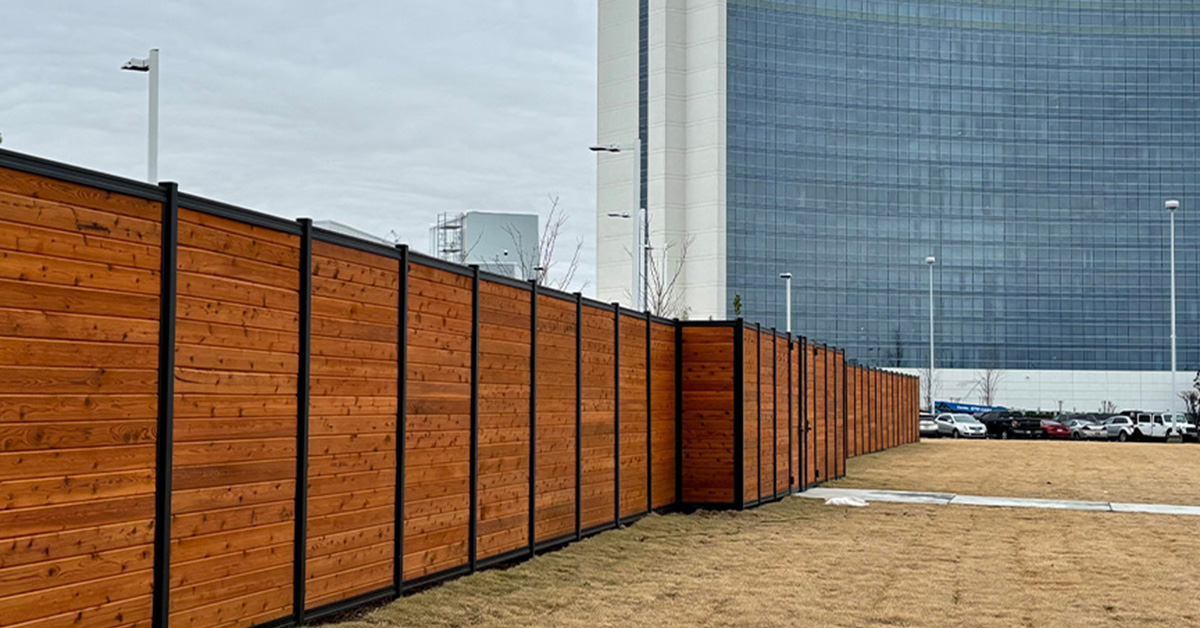
FenceTrac typically ships extra cedar boards to account for normal cull rates. While cedar doesn’t come with a manufacturer warranty, the steel frame system extends its lifespan by preventing sagging and improving structural support. You can let the wood age naturally to a silver-gray patina or preserve its color with regular staining, giving you flexibility in both look and upkeep.
Other Compatible Infill Options
If you’re looking for something different, FenceTrac’s U-channel frame can accommodate a variety of custom materials. Popular choices include:
- Bamboo for a tropical or eco-friendly vibe
- Corrugated metal for a sleek, industrial look
- Welded wire mesh for pet enclosures or added security
- Metal screens for partial visibility with wind protection
- Hardie board for fire-resistant applications
The system also works with metal slats, wood slats, and vinyl panels, offering nearly endless design possibilities while maintaining the strength and durability of the steel frame foundation.
How to Choose Your Fence Infill: 5 Steps
Step 1: Define Your Fence’s Purpose
Start by deciding what you want your fence to do. If privacy is your top priority, go for solid materials like LuxeCore composite or UltraBlend PVC, which create a completely gap-free barrier. Need security but still want visibility? Aluminum pickets or welded wire let you see through while maintaining clear boundaries, making them great for front yards or commercial spaces. You can also get creative by mixing materials – for example, solid panels at the bottom for privacy and open pickets on top for airflow.
Step 2: Evaluate Your Property Conditions
Your property’s climate and layout play a big role in your choice. In humid areas, nonporous materials like UltraBlend PVC or LuxeCore composite are ideal because they resist moisture and won’t warp. If you’re in a region with intense sun – like the Southwest – look for ASA-encapsulated PVC or composite materials that protect against UV damage, preventing fading and cracking. For high-wind zones, semi-privacy designs with spaced pickets can help reduce wind pressure on the fence.
Once you’ve assessed your property’s needs, think about how much you’re willing to spend and how much maintenance you’re prepared to handle.
Step 3: Plan Your Budget and Maintenance Preferences
Balance upfront costs with long-term upkeep. LuxeCore composite and UltraBlend PVC may cost more initially, but they’re low-maintenance and often come with warranties. Cedar, on the other hand, is more affordable at the start but requires regular staining or sealing to stay in good shape. Over 10–20 years, synthetic materials can save you money by eliminating recurring maintenance costs. If you prefer a low-maintenance option, it’s worth investing more in composite or PVC. But if you’re okay with ongoing upkeep, cedar offers a natural, classic look at a lower starting price.

Step 4: Select Your FenceTrac System and Infill Material
Match your infill material to your privacy and design goals. For full privacy, LuxeCore composite (6-inch tongue-and-groove) or UltraBlend PVC (5-7/8 inches wide, 1 inch thick) work well with the FenceTrac U-channel frame, creating a solid wall-like effect. If you prefer semi-privacy, consider aluminum pickets or 3-inch LuxeCore slats with spacing. Make sure the material you choose is rigid and no thicker than 1 inch to fit securely into the frame. You can also explore custom infill options, like corrugated metal or bamboo, as long as they meet these size and rigidity requirements.
Once you’ve chosen your materials, it’s time to map out your layout for a smooth installation.
Step 5: Measure and Plan Your Layout
Accurate measurements are crucial. Measure your fence line carefully, keeping slopes and obstacles in mind. Use 72-inch or 96-inch rails, adding a 1/4-inch clearance (e.g., 72 1/4 inches for a 72-inch rail). Double-check infill lengths – LuxeCore composite and cedar typically measure 72 inches, while UltraBlend PVC is slightly shorter at 71½ inches. These dimensions align with the materials mentioned earlier.
The adjustable steel frame is designed to handle slopes without requiring stair-stepped sections, so make sure to measure your yard’s grade and plan post spacing accordingly. Don’t forget to account for standard gate widths (48–72 inches) and corner notches (1-1/2 inches) on end boards. The last board in each section may need trimming, so verify infill lengths before setting your posts to avoid any surprises.
Conclusion
Selecting the best fence infill material comes down to your specific needs – whether it’s durability, aesthetics, ease of maintenance, or budget. FenceTrac offers two standout manufactured options: LuxeCore Composite and UltraBlend PVC. LuxeCore Composite features an aluminum core for added strength and reduced warping, while UltraBlend PVC is designed with thicker walls and reinforced internal webbing for extra durability. Both materials are ASA-encapsulated, making them resistant to fading and requiring minimal upkeep beyond occasional cleaning.
If you’re drawn to a more traditional look, cedar infill delivers a timeless charm. On the other hand, composite and PVC options provide long-term reliability, backed by limited lifetime warranties and the added benefit of avoiding the ongoing maintenance costs that come with wood.
When paired with FenceTrac’s 18-gauge galvanized steel frame system, these infill materials offer superior performance. This combination significantly reduces issues like sagging, warping, and weathering, outperforming standard wood or typical vinyl fencing options.
FAQs
What makes FenceTrac’s steel frame system a great choice for your fence?
FenceTrac’s steel frame system is built to deliver strength and long-term durability, making it a dependable option for fences that are meant to last. The sturdy construction resists warping and can withstand tough weather conditions, which means less hassle and fewer repairs over time.
Beyond its toughness, the system’s smart design improves both the stability and look of your fence. It combines practical functionality with a sleek, modern appearance, adding a polished touch to your property.
How can weather conditions impact the choice of fence infill materials?
When it comes to choosing fence infill materials, the local weather can make all the difference. If you live in an area with high humidity or frequent rain, PVC and composite fencing are smart choices. These materials resist moisture, mold, and mildew, making them reliable for damp climates. For added durability, FenceTrac offers composite panels reinforced with an aluminum core, which not only strengthens the fence but also helps prevent warping during extreme weather.
For those who love the natural beauty of wood, cedar is a popular option. However, it does require proper treatment to handle wet conditions, as untreated wood can rot or warp over time. Opting for weather-resistant materials like PVC or composite can save you time and effort in maintenance while ensuring your fence stands strong, regardless of the weather.
What are the long-term costs of choosing composite or PVC fencing instead of cedar?
When thinking about fencing options, composite and PVC fencing might seem pricier at first glance, but they can actually save you a lot in the long run. These materials are crafted to withstand warping, rot, and pests, and they barely need any upkeep. Unlike cedar, composite and PVC fences don’t require regular painting, sealing, or staining, which means fewer maintenance expenses over the years.
On the other hand, cedar fencing might have a lower initial cost, but it often comes with ongoing expenses for treatments, repairs, and eventual replacement. Composite and PVC fences, such as those from FenceTrac, are built to last over two decades, making them a durable and low-maintenance option that’s worth considering for the long haul.
Related Blog Posts
- Best Customizable Fence Systems for Commercial Properties
- Why Wood Fences Warp, Lean, and Sag and How the FenceTrac Steel Fence Frame Solves the Problem
- How to Prevent Fence Sagging and Leaning With a FenceTrac Steel Framed Fence
- Modern Fence Design Ideas That Combine Clean Lines With Structural Strength