
If labor is about 50% of a fence install, and installer time runs about $50 to $80 per hour, small delays can wipe out profit fast.
We see the core case in three points: modular fencing can cut on-site labor steps, lower unpaid callback work, and make crew scheduling more steady.
For contractors, that means fewer hours lost to cutting and refitting, fewer return trips for warped or sagging boards, and more room to finish jobs across a season.
Here’s the short version:
- Crew hours matter most. Stick-built jobs can take about 20 to 35 hours for 150 to 200 linear feet, which makes bidding and scheduling harder.
- Callbacks drain margin. If rework climbs past 3%, profit starts slipping through unpaid labor and truck rolls.
- Modular systems reduce field work. Precut channels, sliding infill boards, and racking on slopes can trim install steps.
- Steel frames cut common failure points. Less warping, sagging, and board pull-away can mean fewer warranty visits.
- The yearly upside is simple math. Save hours per job, cut service calls, and the same crew may complete more installs without adding headcount.
A quick side-by-side helps show the difference:
| Criteria | Stick-Built Wood Fence | Steel-Framed Modular System |
|---|---|---|
| On-site cutting and fitting | High | Low |
| Install time consistency | Varies by lumber, slope, and crew skill | More steady |
| Common callback issues | Warping, cracking, sagging, board pull-away | Fewer, often limited to gate adjustments |
| Unpaid service labor | More likely | Less likely |
| Crew scheduling | Harder to predict | Easier to plan |
In plain English: if you want better margins, the job is not just to build fences that last. It’s to build fences with fewer labor hours and fewer return trips.

The Problem: How Stick-Built Methods Cost More Time and Create More Callbacks
More Field Work Means More Hours Per Section
With stick-built fencing, crews do the same labor over and over.
Each section needs measuring, cutting, fastening, and then fixing small mistakes before moving on.
That repetition eats hours.
Fastener counts climb fast too.
A standard 6-foot wood and metal fence with three rails calls for 6 to 9 fasteners per picket.
On a 200-foot job, that turns into thousands of separate fastening tasks, which means more chances for alignment drift and fastening mistakes.
Material waste adds another layer.
Pallets often come with 10% to 15% unusable pickets due to warping, knots, and splits.
And if the lot slopes, crews have to make stair-step cuts and grade changes at each shift in elevation.
So the clock keeps ticking.
Install time can swing based on lumber quality, terrain, and crew skill.
When more of the job has to be figured out on site, it gets much harder to keep labor time steady from one project to the next.
Warping, Sagging, and Rework Pull Crews Off Billable Jobs
The hard part is what happens later.
Callbacks often show up months after the job is done.
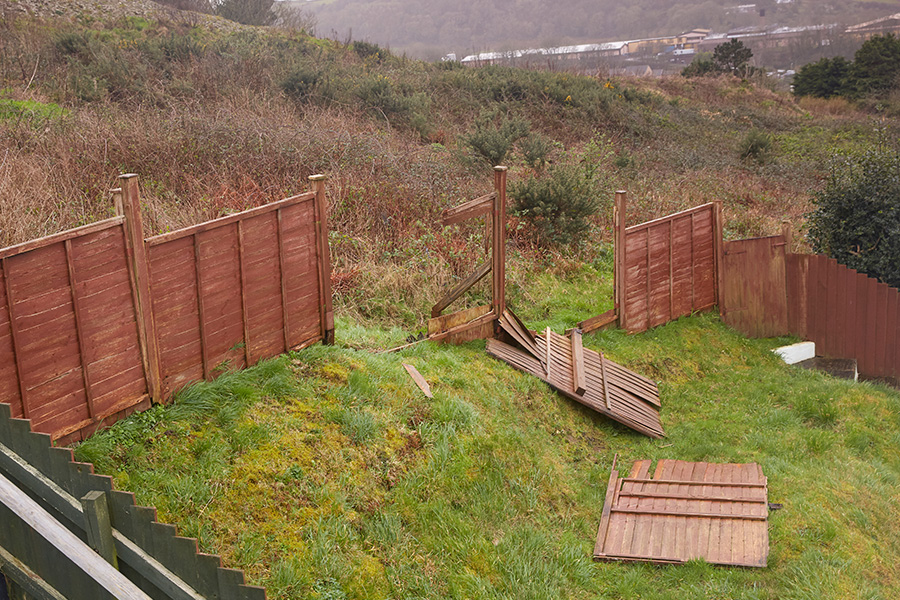
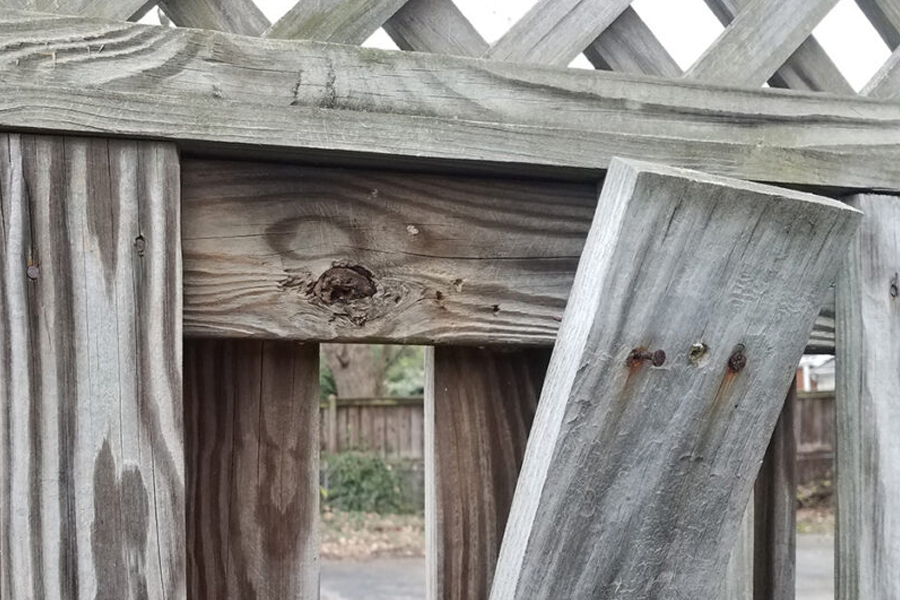
Incorrect fasteners, weak structural support, sun exposure, and poor moisture protection can all lead boards to warp, twist, or crack.
By then, the crew that built it is long gone.
Now someone has to head back, and that cost lands on you.
That means double labor.
You paid once to put the fence in.
Now you’re paying again to repair it, with $0 coming in on that visit.
A single service call can eat up half a day once you count travel, diagnosis, repair, and reinspection.
At $60 to $125 per installer hour, that cuts into material margin fast.
And while that crew is tied up on warranty work, they aren’t out on a new job bringing in revenue.
That labor pileup is exactly what a modular fence system is built to cut down. Systems like the 6×6 horizontal cedar panel eliminate the need for individual picket fastening.
sbb-itb-908b3eb
The Solution: How a Modular Fence System Cuts Install Time
A modular fence system swaps on-site fabrication for a simpler assembly process.
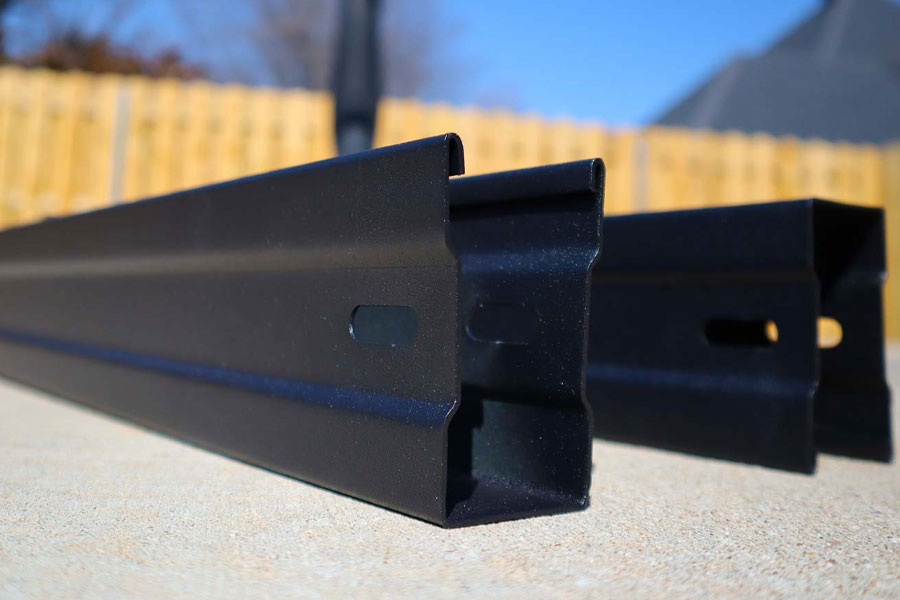
Precut top, bottom, and side channels bolt together, and infill boards slide in without face-nailing.
Repeatable Parts Reduce Cutting, Fitting, and Delays
With a modular fence system, much of the measuring, cutting, and fitting that burns time on a stick-built job disappears.
Frame components come pre-cut to match panel dimensions, so there’s no miter saw setup, no field-cutting rails, and no guessing on spacing.
Infill boards slide straight into the steel channels, which removes the need for fasteners through the face of the board.
A smart move is to bundle components by panel so crews can stage each bay before assembly starts.
That means fewer trips to the truck.
It also means less time spent hunting for the right piece.
On sloped lots, panels rack up to 30 degrees, which removes stair-step cuts and custom layout work.
Fewer steps per panel means the same crew can install more linear feet per day.
Traditional privacy fence labor is often cited at $10 to $20 per linear foot.
So when you save even an hour on each section, margin can improve fast.
That kind of repeatability is what turns speed into predictable labor.
Watch UltraBlend PVC Fence Installation Video
A Consistent Assembly Process Is Easier to Train and Schedule
The install sequence stays the same on every job.
Set posts.
Attach side channels.
Load infill.
Bolt top and bottom channels.
A new laborer doesn’t need advanced carpentry skills to follow that process.
They just need to learn the sequence, and it’s short enough to pick up fast.
That helps keep crews on billable work instead of rework.
Because the process stays the same from job to job, scheduling gets easier too.
You can estimate section times with more confidence instead of losing hours to warped lumber or field-cutting mistakes.
Resources for Contractors Evaluating System Fit
For specs, fit, and pricing, review these pages:
Those saved hours matter most when they show up again and again across a full season.
Why the Steel Frame Means Fewer Callbacks and More Predictable Results
Install speed matters, but callbacks decide the real profit.
How Steel Framing Reduces Warping, Sagging, and Alignment Problems
Wood movement causes a lot of fence callbacks.
As lumber dries out, rails twist, boards loosen, and panels start to sag.
The top callback for wood fences is boards warping, cracking, or pulling away from rails within the first 1 to 2 years.
A steel frame helps stop those issues at the source.
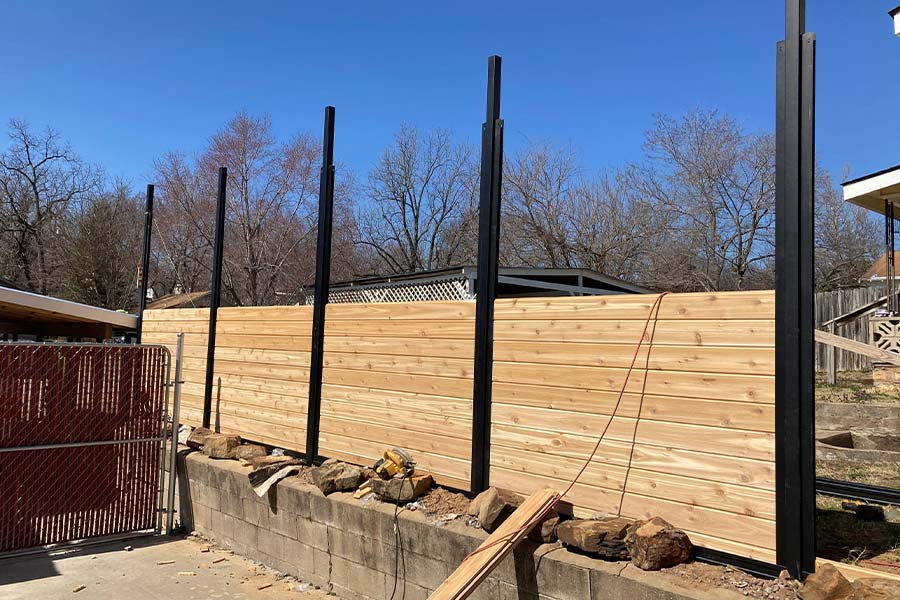
The G90 steel frame stays straight and resists rot and movement, and the infill boards slide into U-channels instead of being face-nailed.
That cuts down the failure points that turn one install into two jobs.
The payoff is simple.
You get fewer warranty calls later.
You also get fewer field surprises and a steadier schedule.
FenceTrac steel frames come with a 20-year manufacturer warranty.
That puts more of the warranty burden somewhere other than the contractor.
Side-by-Side Comparison: Stick-Built Wood Fence vs. Steel-Framed Modular System
| Category | Stick-Built Wood Fence | Steel-Framed Modular System |
|---|---|---|
| Primary Callback Triggers | Warping, cracking, boards pulling away from rails, sagging rails | Low; usually gate adjustments only |
| Time Lost to Service Visits | High, unpredictable unpaid labor | Negligible |
| Install Consistency | Variable – depends on lumber grade and crew skill | High – factory-cut parts and a repeatable process |
Every truck roll to fix a sagging panel or a cracked board costs labor, fuel, and time.
That time could have gone to a paying job.
The steel frame removes most of those triggers before they become customer complaints.
And that matters over a full season.
When those repairs dry up, the savings show up in annual labor hours, not just in how fast one fence goes in.
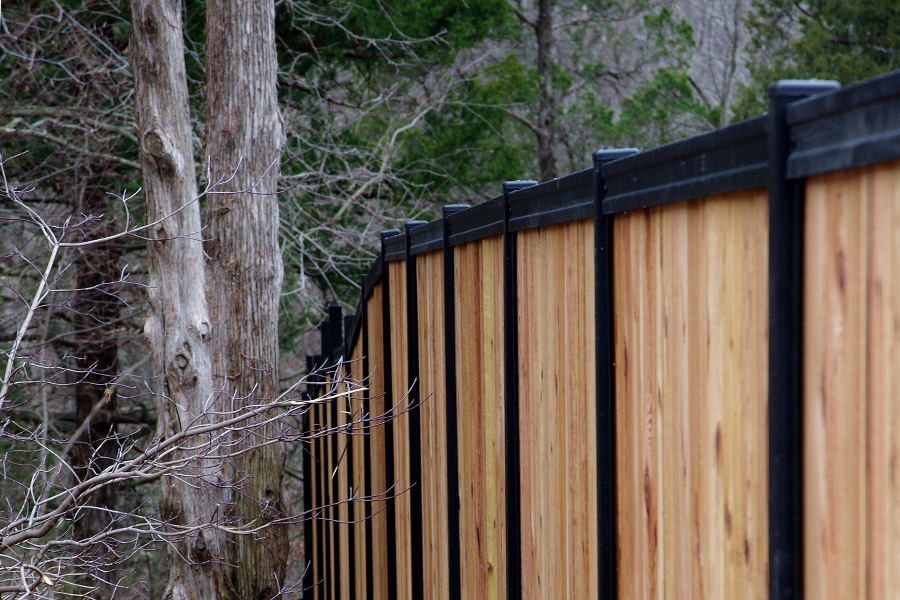
The Annual Business Case: More Jobs Per Crew, Better Margins, and a Stronger Reputation
A Simple Framework for Estimating Labor Savings Across a Season
Over a full season, labor savings start to stack up.
And because labor takes up a big share of every fence job, each hour you save adds straight to margin.
The math is simple.
Multiply the hours saved per job by your annual job count and your labor rate.
That gives you a clear estimate of seasonal labor savings.
You’re not just making current jobs more profitable. You’re also opening up room for more installs.
Callbacks matter here too.
In other words, saved labor on the first install is only part of the picture.
Avoided callbacks create a second layer of savings.
Every unpaid return trip for a warped board or sagging rail eats up labor, fuel, and time on the calendar.
Even a small drop in rework helps protect margin and keeps crews available for billable installs.
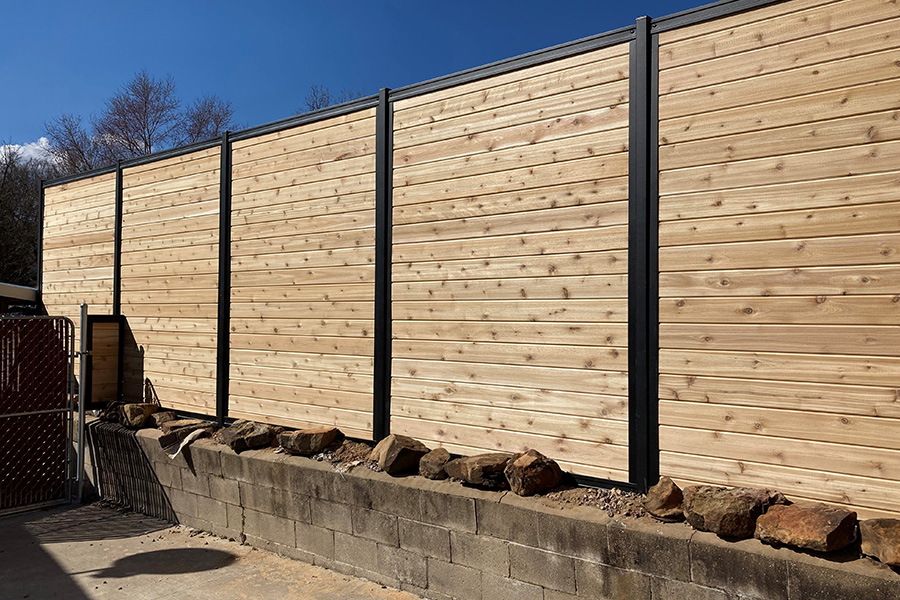
Consistent Installs Make Training, Scheduling, and Scaling Easier
Less rework helps.
But repeatable installs change a lot more than that.
A repeatable install process can cut training time and reduce how much you rely on your most seasoned carpenters.
New crew members get up to speed faster.
And crews can move between residential and commercial jobs without a major drop in output.
For owners running multiple crews, that kind of predictability makes a big difference.
You can forecast labor with more confidence.
You can keep crews booked.
And you can finish more jobs in a season.
That consistency helps scheduling stay on track and supports your reputation at the same time.

Conclusion: The Case for FenceTrac and Your Next Step
The profit case for a modular fencing system comes down to three things: fewer crew hours per job, fewer callbacks cutting into margin, and more installs per crew across a season.
A repeatable assembly process helps crews work faster and makes the schedule easier to trust.
And more jobs finished per crew per year, without adding headcount, is where growth starts to show up.
Request a Contractor Quote to see what the system could mean for your labor, callbacks, and seasonal margin.
FAQs
How much labor can a modular fence system realistically save per job?
A modular fence system cuts labor where it matters most, panel assembly.
With pre-cut frame parts and infill boards that slide into channels, a two-person crew can build and hang a panel much faster than with a scratch-built wood fence.
That said, it doesn’t speed up the whole job.
Post setting still takes the same amount of time.
Concrete curing still takes the same amount of time too.
The labor savings come from faster assembly per section, plus less measuring, less cutting, and fewer individual fasteners on-site.
Will a modular fence system work well on sloped or uneven lots?
Yes.
A modular fence system works well on sloped or uneven lots.
Panels are rackable up to 30 degrees, so they can follow the natural grade without the time-consuming stair-step look in most cases.
Installers adjust the side channel angle to match the slope.
If the incline gets steeper, panels can still be stair-stepped and keep a clean, professional appearance.
How do fewer callbacks translate into higher annual profit?
Every callback on a standard fence means a non-billable truck roll, extra labor, and more materials.
And those costs come straight out of the margin on work you already finished.
Over time, that can take a real bite out of annual profit.
Using a modular fence system that stands up to warping, rot, and shifting helps cut down the problems that trigger follow-up visits.
That means better margin protection, and it keeps crews on new, billable installs instead of getting pulled back into rework.