
If the posts are sound and the damage is limited to one section, repair is usually the right move. If posts lean, footings crack, or the same area keeps failing, replacement is often the better use of the next dollar.
We use 4 checks to make the call:
- How much of the fence run is damaged
- Whether the posts failed first or only the infill failed
- How many repair rounds are left
- Whether annual repair costs are getting too close to replacement cost
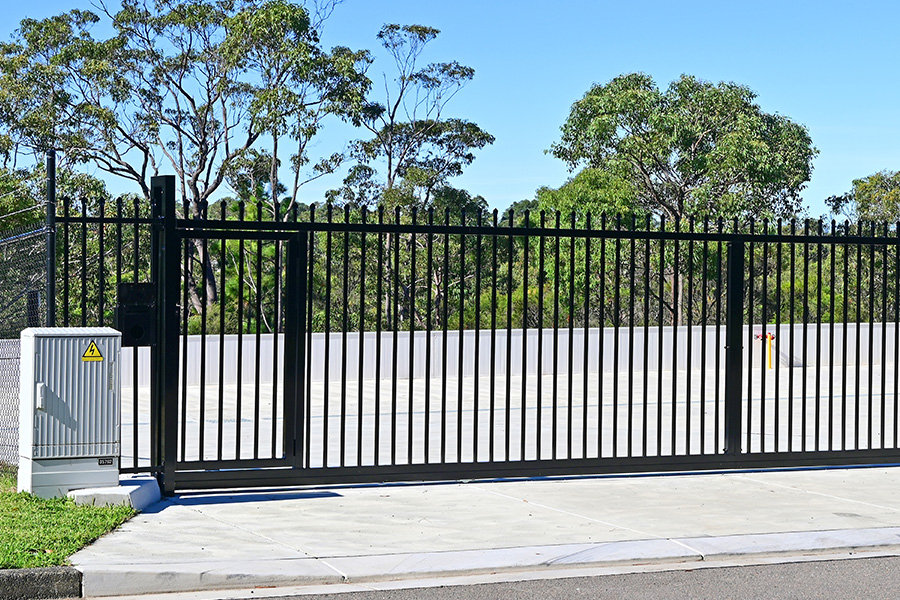
Here’s the short version.
If damage affects 1 to 2 sections, and the posts are still plumb and solid, a repair can still protect the asset.
If failure shows up across multiple sections, corners, or gate areas, or if the same trouble spot appears on invoices year after year, patching may only delay a larger fix.
The first thing we check is simple: push on the post at waist height.
If it wobbles, twists, or leans, the issue is probably structural.
If the posts stay firm and only the boards, wire, or panels are damaged, the problem may be limited to infill.
That one check can save you from putting more money into the wrong fix.
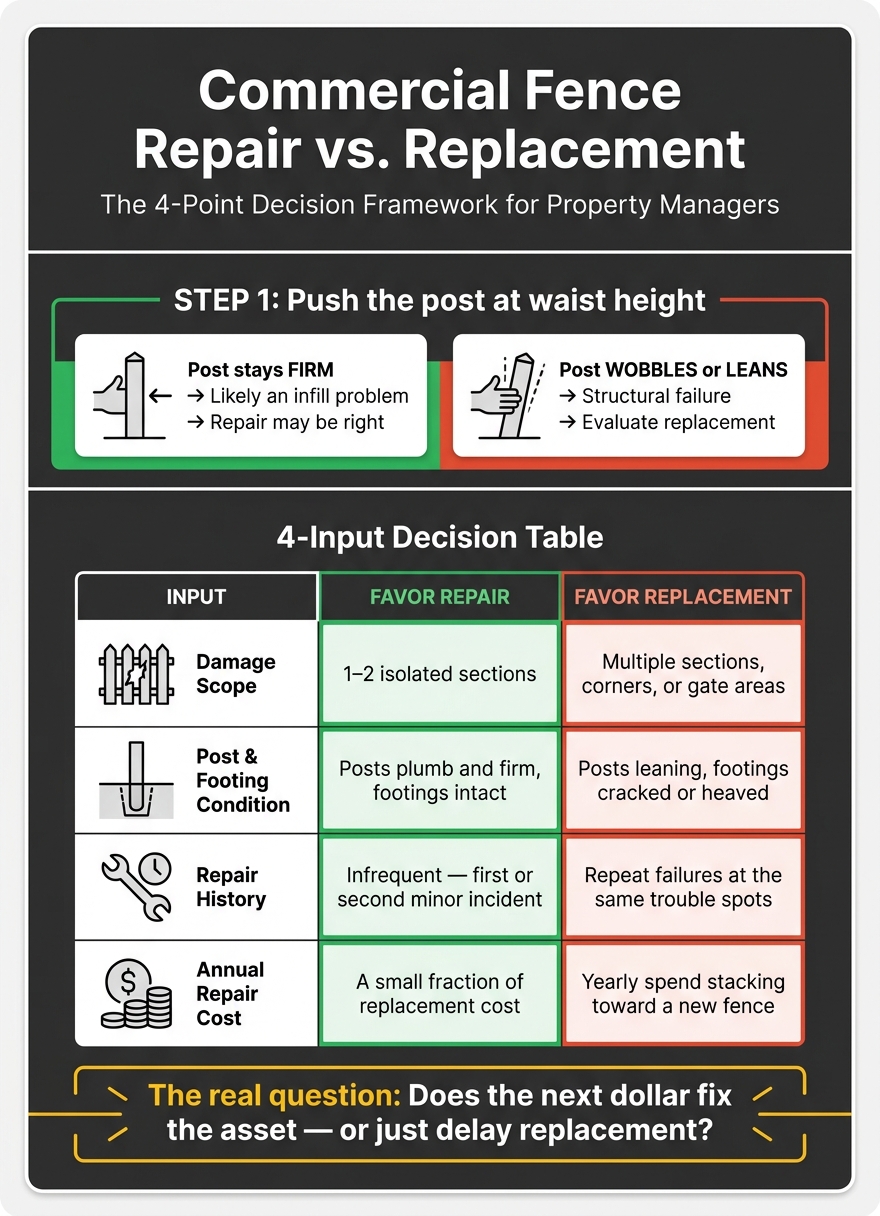
Commercial Fence Repair vs. Replacement: 4-Point Decision Framework
Quick comparison
| Check | Repair | Replacement |
|---|---|---|
| Damage scope | 1 to 2 sections | Several sections, corners, or gates |
| Post condition | Plumb and firm | Leaning, loose, or unstable |
| Footings | No cracks or heaving | Cracked, heaved, or separating |
| Repair history | Isolated issue | Repeat failure in same area |
| Cost pattern | Low yearly spend | Yearly spend stacking up toward a new fence |
For many properties, the fence decision is not about what you already spent.
It is about whether the next $500, $2,000, or $10,000 goes toward a fix that lasts, or another patch that does not.
That is the framework we use below.

sbb-itb-908b3eb
The deciding question: are the posts failing, or only the infill?
This call comes down to one simple check: are the posts and frame still sound, or are they failing?
If the galvanized steel frame and posts are plumb and solid at the base, and the damage is limited to one infill section, repair makes sense.
If the posts are leaning, the footings are cracking, or the instability shows up across several sections, a small infill repair won’t solve it.
Signs the frame, posts, or footings are the real problem
Structural failure leaves clear clues.
A post that wobbles or twists when pushed at waist height is not dealing with an infill problem.
The same goes for a footing with visible cracks, gaps between the footing and the soil, or concrete that has heaved above grade.
And if you look down the fence line and spot several posts leaning the same way, that usually points to a system-wide issue, not one bad panel.
What causes fence failure in high winds explains how post and footing performance drives most structural collapses.
After a storm, bowed or snapped posts point to structural failure, not an infill issue.
That changes the call toward replacement.

Signs the damage is limited to one section of infill
A vehicle strike, vandalism, or impact damage in one bay counts as isolated damage if the posts on both sides stay plumb and solid at the base.
If that check passes, the repair case stays narrow.
FenceTrac’s patented U-channel steel frame is built for this exact kind of damage.
Because the frame accepts infill up to 1 inch thick, a damaged section of cedar, aluminum-core composite LuxeCore, PVC UltraBlend, OmniView welded wire, or metal can be removed and replaced without disturbing the rest of the structure.
If the frame passes inspection, that section is worth repairing.
| What you observe | What it likely means |
|---|---|
| Posts lean, wobble, or move at the base | Footing or structural failure, evaluate replacement |
| Cracked or heaved concrete footings | Structural issue, not an infill problem |
| Multiple adjacent sections out of plumb | Systemic failure spreading through the run |
| Posts plumb and solid, one section of broken boards or bent wire | Infill damage only, repair is likely appropriate |
| Repeat failures at the same spot | Structural problem hidden by patch repairs |
Once you know which type of failure you’re dealing with, the next step is to see how much of the fence run is affected.
Four inputs property managers use to choose repair or replacement
Once you know whether posts or infill failed first, four practical inputs can point you to the right next spend.
Put together, they show whether a repair still protects the asset, or whether replacement makes more sense.
The table below gives you a quick repair-or-replace check.
How much of the fence run is affected
Start with scope.
Walk the perimeter and mark each damaged section, corner, and gate area.
Damage limited to one or two sections usually keeps repair in play.
But when failure shows up across multiple sections, corners, or gate areas, repair gets harder to defend.
At that stage, you’re often fixing symptoms, not the root problem.
Whether posts failed first, or infill failed first
The order of failure says a lot.
Infill damage on a sound, plumb frame usually means repair is still a solid option.
A damaged cedar, LuxeCore, UltraBlend, OmniView, or metal infill section can be replaced inside the galvanized steel frame without disturbing the posts or footings.
If posts or footings failed first, small infill fixes won’t bring back structural integrity.
That makes replacement much easier to justify.
For the economics behind that split, the long-term steel-frame fence cost analysis lays it out plainly.

How many more repairs the fence can justify
Now pull your maintenance records.
Look for patterns, not just one-off incidents.
A fence that needed only one or two isolated repairs over several years may still have repair life left.
A fence where the same gate area or corner section keeps showing up on vendor invoices is telling a different story.
Repeat visits to the same trouble spots are a sign that patch jobs are no longer protecting the asset.
Then compare repair spend with replacement cost.
Add up fence-related maintenance spend from the past one or two years.
That number, set against a rough replacement budget, often shifts the discussion from "can we afford to replace it?" to "can we afford to keep patching it?"
| Input | Favor repair | Favor replacement |
|---|---|---|
| Share of run affected | One or two isolated sections | Multiple sections, corners, or gate areas |
| Failure sequence | Infill damaged, posts and frame remain plumb | Posts leaning, footings cracking, or frame attachment points failing |
| Repair cycle history | Infrequent, first or second minor incident | Repeat visits to the same trouble spots |
| Annual repair spend | A fraction of replacement cost, protecting a sound asset | Recurring spend that would be better directed to replacement |
When repair makes sense, and when replacement is the better move
Here’s how those inputs play out in the field.
Repair is right for one damaged section on sound posts
Isolated damage on an otherwise sound fence is the clearest case for repair.
A vehicle strike, mower damage, or a small act of vandalism on one stretch usually points to repair, as long as the posts are still plumb and the frame is still solid.
If the next dollar fixes one damaged section on a sound frame, repair still protects the asset.
FenceTrac keeps the repair focused on the damaged section.
Remove the infill, replace it, and leave the sound posts and footings in place.
FenceTrac shows that approach in its fast repair process for commercial properties after graffiti or vandalism.
If the damage isn’t isolated, the question shifts to the posts, footings, and repeat failures.
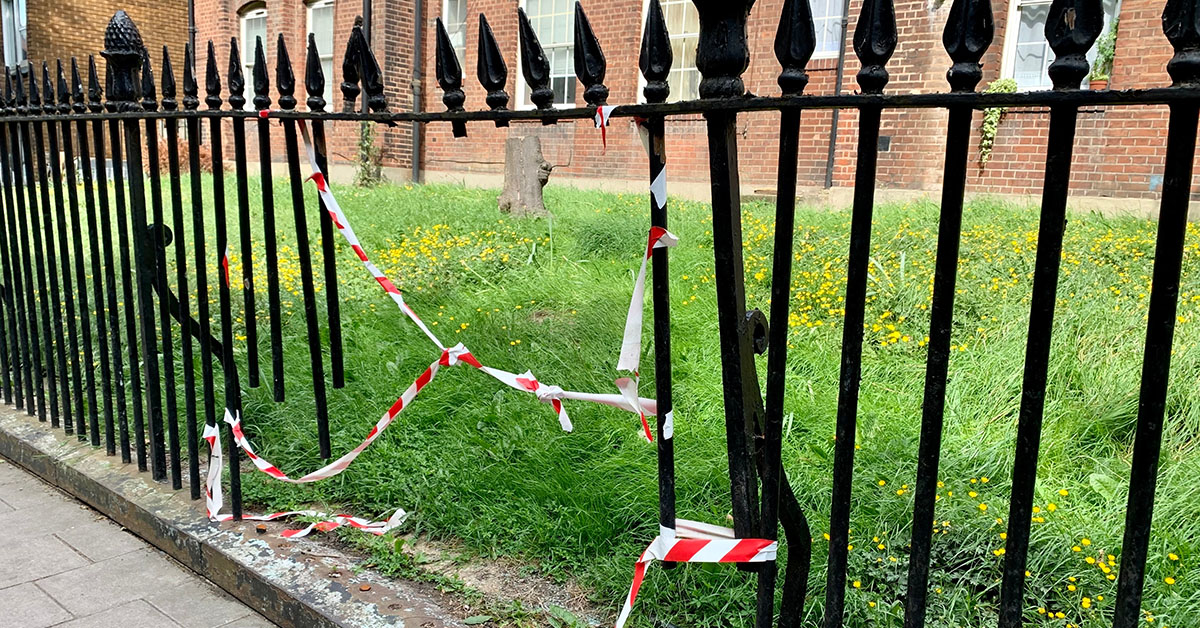
Replacement is right when failures repeat or the fence no longer meets the property’s needs
When the fence fails at the structure, the next dollar belongs in replacement, not another patch.
Post failure changes the math.
When posts are leaning or footings are cracking, patching infill only treats the symptom.
At that point, the structure is the problem, and replacement is the better move.
Replacement also makes sense when the fence no longer gives the site the screening, privacy fence ideas, security, or appearance it needs.
If the current layout no longer fits the property, continued repair only preserves a fence that no longer does its job.
For the cost comparison, see FenceTrac’s total cost of ownership comparison for steel-frame and wood fencing.
Repeat failures in the same spot usually mean the issue is structural, not isolated.
When patchwork keeps coming back, the money stops protecting the asset and starts postponing the obvious.
In that case, each repair only delays replacement.
If replacement is the call, the next question is what the new system gives back.
What replacement delivers, and how to build a budget for it
If the structure is failing, the next step is to look at what replacement fixes.
When repair stops making sense, replacement resets both the structure and the maintenance plan.
What a new FenceTrac system gives you that repeat patching cannot
When failing posts, weak footings, or repeat trouble point to replacement, focus on what a new system puts back in place.
Replacement gives the property a new galvanized steel frame, a finished look on both sides, and the option to swap individual sections later. FenceTrac’s galvanized steel frame and posts also come with a 20-year warranty, which makes future maintenance planning easier to map out than dealing with an older fence that keeps failing in the same spots.
Commercial infill options include LuxeCore aluminum-core composite, UltraBlend PVC, cedar infill, aluminum boards, and OmniView welded wire.
LuxeCore works when you want the look of wood without wood upkeep.
UltraBlend works for maintenance-free privacy.
Aluminum boards work for fire-rated barriers.
OmniView works for sites where visibility comes first.
The same galvanized steel frame accepts each option, so the structure stays the same even if your infill needs change later.
For a closer look at how the system is set up for commercial sites, the commercial privacy fencing page walks through the infill options before you start pulling together budget numbers.
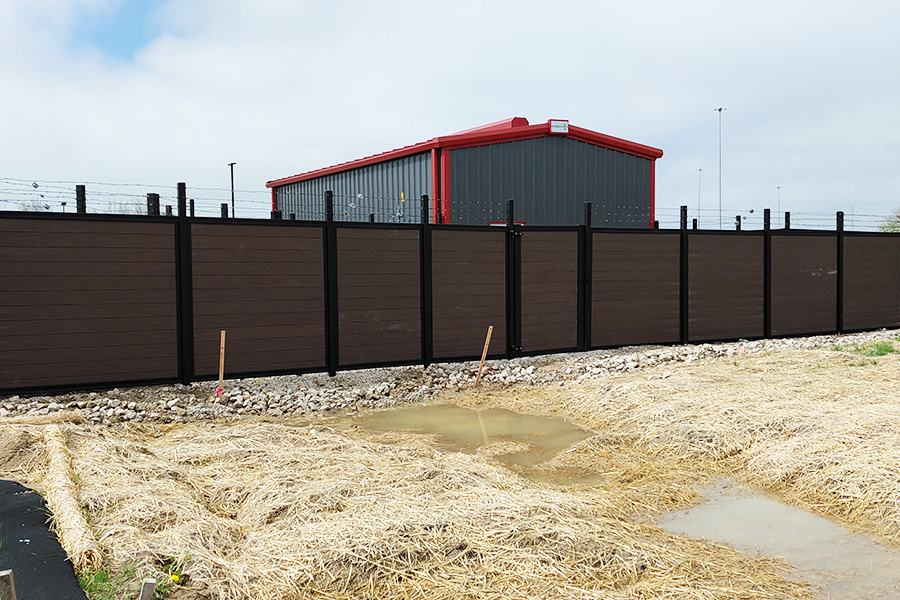
What to gather before requesting a price
Once you know the system you want, the next step is getting a starting budget.
A better budget starts with a fuller project description.
Before using the Price My Fence tool, gather:
- Total linear footage and run layout
- The privacy height the site needs
- Number of sections
- Infill type
- Gate count and gate type
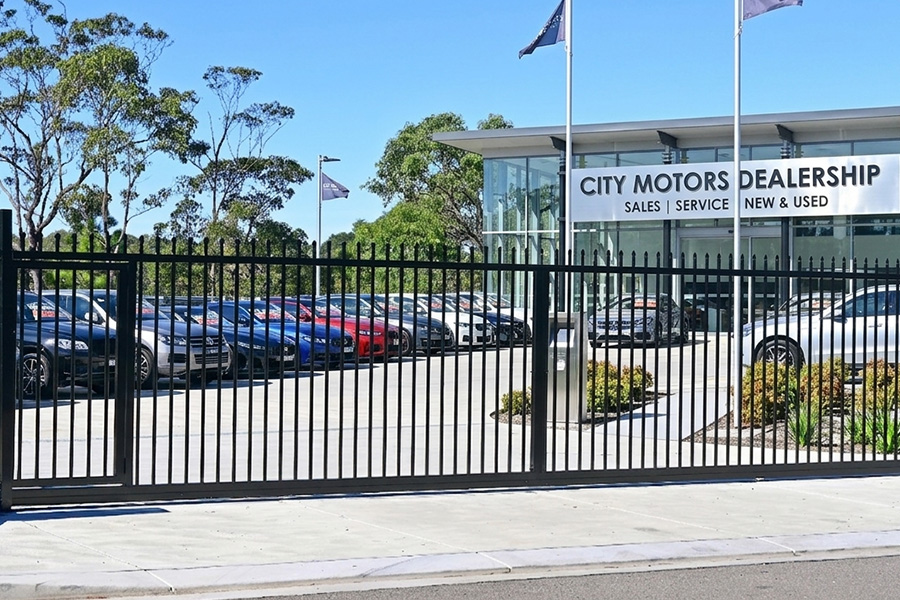
Gate needs often shape the project more than the straight fence run.
So pin down each access point, its opening width, and whether it needs a single walk gate, a double drive gate, a cantilever gate, a rolling gate, or automated access.
Also note any areas that take repeated stress, like high-wind corners, vehicle impact zones, or busy openings.
Those spots may need different post sizing or gate hardware, and flagging them early usually leads to a more useful quote.
Once you have those details, the Price My Fence tool can turn them into a starting budget.
FAQs
How do I tell if the posts are failing?
Start with the first point of failure.
If the damage only affects a few infill boards and the frame is still in good shape, a repair is often the smart call.
But if the posts or rails are damaged, the fence itself is starting to give way.
A failing post usually signals a larger structural problem, not a one-off issue.
In that case, replacement is the more reliable long-term move.
When does repeat repair spending stop making sense?
If only the infill is damaged, and the frame and posts are still in good shape, a repair can still be the smart move.
You can swap out damaged fence sections without paying for a full rebuild.
But if the posts are failing, more repair work often turns into wasted money.
Why?
Because wind stress, alignment problems, and structural load issues are still there.
For the next call, pay attention to how much of the fence run is affected, whether the problem is isolated or shows up across the whole run, and whether a replacement could trigger local code rules or permit paperwork.
What should I gather before asking for a replacement quote?
Start with the basics of the fence run.
Note how much of it has failed, whether the issue is in the posts or infill, where the same problems keep showing up, and whether any gates are part of that run.
It also helps to check whether the fence still meets your screening or security needs.
That gives you a clearer view of whether it makes more sense to replace the fence instead of patching it again.