
If every property uses a different fence, you pay for it in parts, labor, scheduling, and surprise repairs.
We see the fix as simple: cut fence types, set one written standard, and replace in phases.
That lowers repair friction, makes annual costs easier to plan, and keeps sites looking more uniform.
One number from the article says a lot.
Over 20 years, a 150-foot cedar fence can cost $11,500 to $12,500, while a similar chain-link run can cost about $5,800.
So when a portfolio mixes wood, chain link, and ornamental steel, cost planning gets harder fast.
Here’s the short version:
- Mixed fence types mean more repair variables
- Different materials fail in different ways
- One modular fence system cuts parts and labor confusion
- Shared specs make purchasing and repairs simpler
- Low-upkeep infill can trim repeat service work
- A phased rollout helps you avoid a large one-time capital hit
The hard part is not picking a fence.
It’s setting one portfolio standard that your team can use across every site.
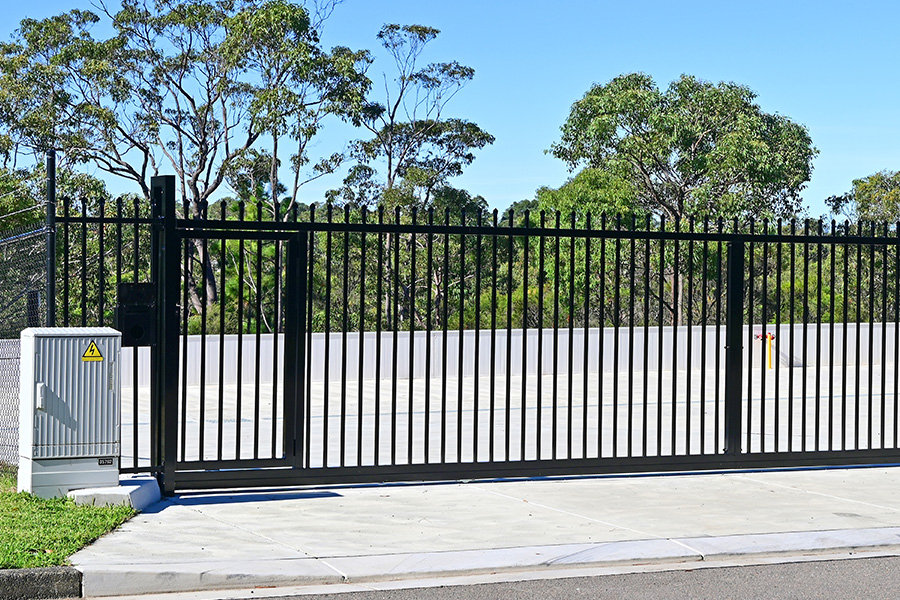
The problem with mismatched fences across multiple sites
Mixed fence types create friction across a portfolio.
Each site needs its own parts, labor, and repair process.
That added complexity is exactly what standardization cuts out.
Different fence types create more repair variables and higher repair costs
When fence systems change from site to site, even basic repairs turn into a hassle.
A damaged gate latch at one property may need a different part, a different tool set, and a different repair process than the same issue at another location.
So instead of following one clear playbook, technicians have to inspect each site on its own terms, then hunt down parts after the fact.
That slows everything down.
It also pushes costs up.
Non-standard fencing can also lead to more urgent repair calls.
Wood can split, warp, or rot.
Vinyl can crack or fade.
Chain-link can loosen, corrode, or wear out around gates.
Each material fails in its own way, which means maintenance teams stay in reaction mode instead of working from a plan.
The answer is simple, reduce the number of fence variables across the portfolio.
Fragmented fence assets make annual budgeting less predictable
The budget issue with mixed fencing is not just one repair bill here or there.
The hard part is timing.
Different materials wear out on different schedules, so annual maintenance costs get harder to forecast with confidence.
Over 20 years, that gap adds up fast.
A 150-ft cedar fence can cost $11,500–$12,500 in total ownership costs, compared with about $5,800 for a similar chain-link run.
When you’re managing several material types across a portfolio, you’re not running one maintenance program.
You’re running separate programs, each with its own cost curve.
Predictable systems lead to predictable budgets.
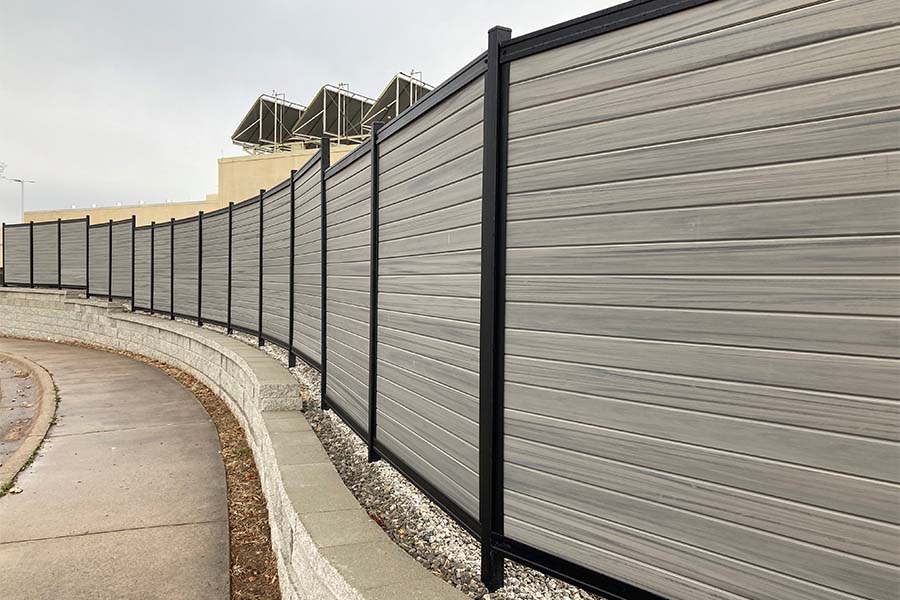
Inconsistent fences weaken brand appearance and site standards
Cost is only part of the issue.
There is also the street-level view.
Patchwork fence lines can make a property look neglected, even when the rest of the site is in good shape.
When fence height, color, condition, and style shift from one location to the next, the portfolio feels less controlled.
Tenants, customers, and visitors notice that kind of inconsistency right away.
For retail, office, healthcare, or hospitality properties, first impressions matter.
This kind of mismatch is hard to measure on a spreadsheet, but easy to spot in person.
That is why one modular fence standard cuts maintenance load across the portfolio.

sbb-itb-908b3eb
How one standardized modular system reduces maintenance load
One modular system gives every site the same maintenance setup.
That sounds simple, but it changes the day-to-day work for crews and vendors in a big way.
Modular components make repairs smaller, faster, and more predictable
A modular steel-frame system lets you swap out damaged panels or boards instead of rebuilding a full fence run.
That means smaller repairs, less labor, and fewer disruptions on-site.
Because the parts fit together the same way every time, crews can follow one repair and inspection process across every location.
Same system, same steps, fewer surprises.
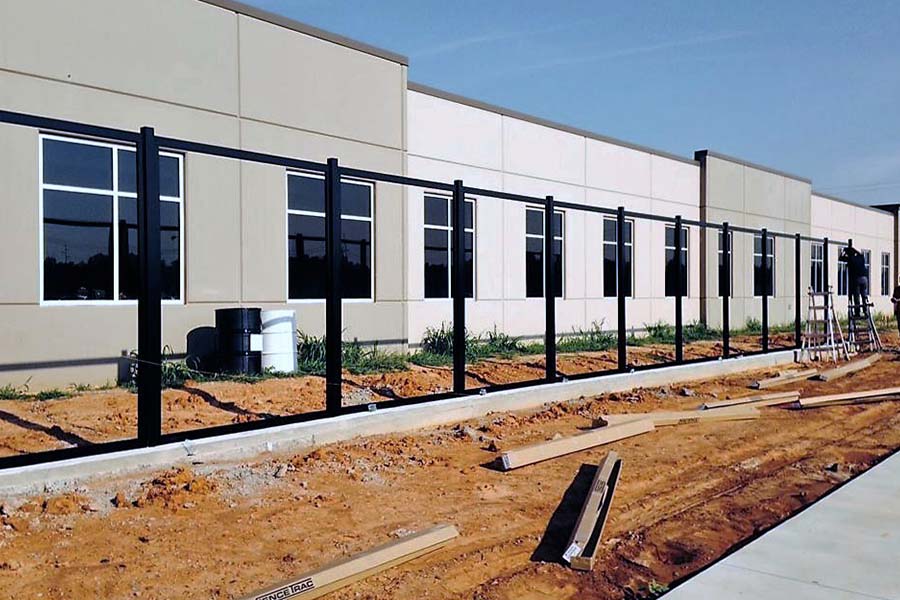
Shared parts and repeatable specs simplify inventory and purchasing
The next win is fewer parts to keep on hand and reorder.
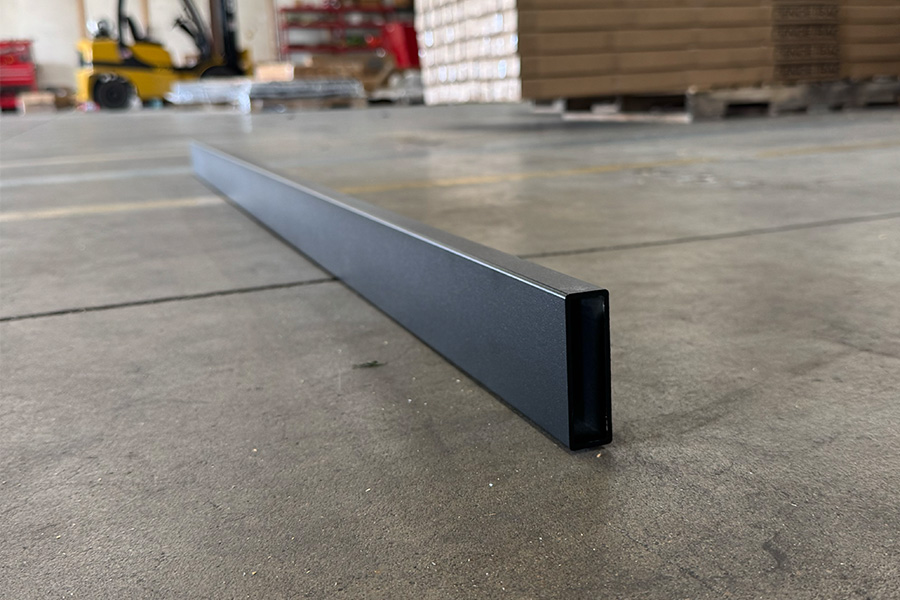
When you standardize post size, panel dimensions, fasteners, finish, and 6-foot gate kits, every site can use the same spare parts.
That leads to faster response times and a simpler purchasing process across multiple locations.
Use the Specifications resource to set one repeatable standard for bids, purchases, and maintenance checklists.
In other words, your team is no longer chasing a different part for every property.
Low-maintenance infill options support long-term durability
Wood brings repeat service work with it, including warping, fading, staining, and board replacement.
Low-maintenance fence options cut down on repainting, sealing, and replacement work over time, which helps keep recurring service calls lower across the portfolio.
See the video below for a quick durability example.
Those savings add up fast when you apply the same system across many sites.
Portfolio-level benefits of standardizing one fence system
Once you standardize the system, the gains show up across budgeting, branding, and day-to-day upkeep.
More accurate budgeting and fewer maintenance surprises
With a fence standard in place, the upside moves beyond repair speed and into portfolio control.
When every site has a different fence type, budgeting gets messy.
You end up guessing at repair costs, parts, labor, and replacement timing from one property to the next.
One standard gives you one repair baseline across the portfolio when you choose FenceTrac.
That makes forecasting clearer, helps separate routine maintenance from capital work, and gives you a simpler case when you need to defend the budget.
The same standard that steadies costs also helps the portfolio look unified.
Consistent design standards across all locations
A fragmented portfolio looks fragmented.
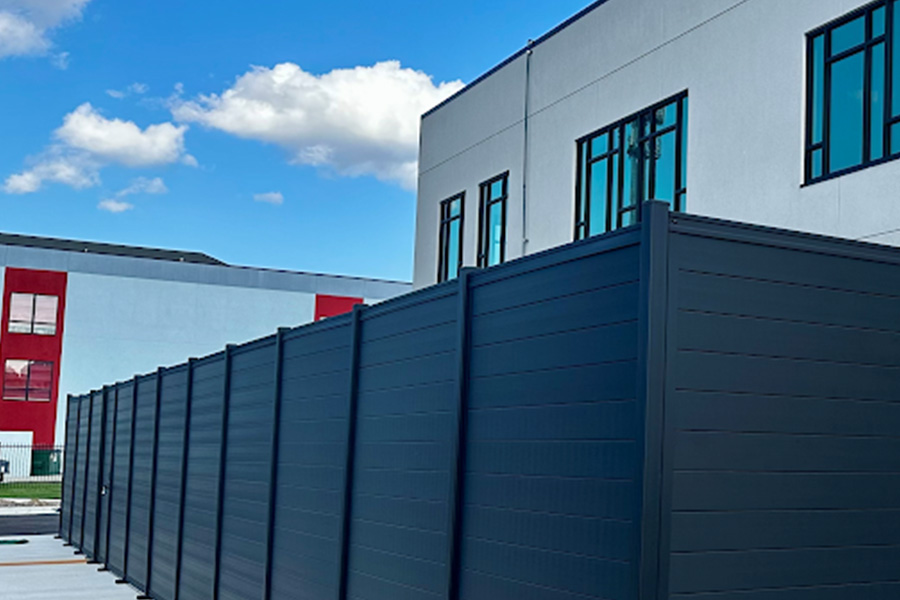
One standardized system gives each location the same design language, with consistent post profiles, matching powder-coated finishes, and the same overall proportions.
That matters anywhere curb appeal shapes how people see the property.
Commercial fence systems that meet design standards shows how one system can align with modern architectural requirements without sacrificing site-specific character.
That said, consistency does not mean every site needs the exact same layout.
Flexible configurations without losing the portfolio standard
A portfolio standard can still handle different site needs without changing the core system.
A retail pad might use a lower-profile ornamental look near the entrance.
A service yard at the same property might need a taller screening setup.
A healthcare campus might put fire-rated infill first.
All of these can come from the same modular frame system.
So while the configuration changes by use and design requirement, the structural hardware stays the same.
For a closer look at how one system handles that range, see best customizable fence systems for commercial properties.
One modular system keeps hardware and maintenance consistent while still allowing site-specific configurations.
The result is fewer variables, fewer vendors, and fewer repair surprises.

How to roll out a standard without replacing every fence at once
Roll out your fence standard in phases so you can control spend without disrupting active sites.
The goal is simple, keep operations moving while avoiding a huge capital hit all at once.
Once your portfolio standard is set, the next move is to roll it out based on site risk.
Set a portfolio fence standard and rank sites by urgency
Start with one written portfolio spec for the approved system.
Then list any site-specific exceptions.
That gives procurement teams and field crews one baseline to follow, so future repairs and replacements stay in sync.
After the standard is documented, group sites into three tiers based on condition, safety risk, visibility, and service calls:
| Tier | Label | When It Applies |
|---|---|---|
| Tier 1 | Immediate replacement | Safety hazards, security gaps, or high-visibility street fronts with failing fences |
| Tier 2 | Near-term upgrade | Functional fences with high maintenance costs or approaching end of life |
| Tier 3 | Defer | Stable fences with low risk and low public visibility |
This kind of triage helps direct capital to the sites causing the most service calls.
In plain terms, fix the fences that create the most maintenance headaches first, then work your way down.
Use a phased replacement schedule tied to maintenance and capital plans
Use your highest-priority site to prove the maintenance case before you expand the standard across the portfolio.
Start with one or two Tier 1 sites, ideally the ones with the most repairs or the most street-facing visibility.
Track work orders, repair cost, parts lead time, and repeat calls before and after the upgrade.
That before-and-after view gives you a concrete case for expansion during later budget cycles.
From there, line up each replacement wave with your current capital improvement schedule.
As Tier 2 fences reach end of life, replace them with the standard system.
Require that same standard for all new installs and major repairs from this point forward.
Over time, the portfolio moves toward one system without forcing a full replacement all at once.
Schedule the work around tenant operations, peak traffic, and permit timelines.
A modular frame system makes phased rollout easier because each replacement stays consistent over time.
It also keeps later replacements aligned with earlier installs, which saves a lot of confusion in the field.
For full technical details on heights, post dimensions, and infill options, see the Specifications page.
Conclusion: Standardization cuts complexity before it cuts cost
Mismatched fences across a portfolio create more variables, more vendors, and less predictable budgets.
Standardizing on one modular system with low-maintenance infill options cuts that complexity at the system level.
Then the cost savings show up once maintenance becomes more predictable.
After the pilot proves the model, expand it through your capital plan.
A written standard, a site ranking, and one pilot location make portfolio-wide standardization practical without forcing a full replacement cycle.
Ready to build a fence spec for your portfolio? Request a commercial quote to build a portfolio fence standard.
FAQs
How do I choose one fence standard for different property types?
Choose a modular steel-frame system that uses the same structural frame, posts, hardware, and install process at every site.
Then change only the infill based on what each area needs, like composite, semi-privacy aluminum, or welded wire, while keeping that same frame in place.
That gives you a consistent look across the portfolio.
It also makes spare parts easier to manage.
Repairs get simpler too.
And your budgeting becomes more predictable from site to site.
What should a written portfolio fence spec include?
To keep a multi-site portfolio consistent, the written fence spec needs to spell out the details bidders can price and build against.
That means clearly defining materials, structural performance, and installation standards.
Include steel grade, coating system, minimum wall thickness, fence height, post sizes and spacing, concrete strength, embedment depth, wind load capacity, gate hardware, and the infill type, thickness, and any fire rating the job calls for.
How can I phase in a fence standard without overspending?
Prioritize a modular system so you only swap out the sections that need attention now.
Start installing the standardized design during planned renovations, or when existing wood or vinyl fences reach the end of their life, instead of replacing your full portfolio all at once.
That approach helps future additions and replacements match what’s already in place.
It also keeps a consistent look across properties and spreads capital costs over time.