
If you only compare install price, wood often looks cheaper, but over 20 years, steel-frame fencing usually costs less to own.
We see the gap in three places: upfront cost, maintenance, and replacement.
For a 150-linear-foot fence, wood can add $500 to $1,500 per staining cycle, need 7 to 10 stain or seal cycles over 20 years, and often face a full rebuild in Years 12 to 18.
Steel-frame fencing starts at a higher price.
But it usually avoids staining, avoids post rot, and does not need a full rebuild inside the same 20-year window.
Here’s the short version:
- Wood: lower day-one price, but more repair and upkeep over time
- Steel-frame: higher day-one price, but lower spend after install
- Wood posts: can start failing around Year 8
- Wood fences: often need major board repairs after Year 5
- Steel-frame systems: can last 25 to 40+ years
- FenceTrac frame warranty: 20 years

Steel vs Wood Fence Posts, which is better???
sbb-itb-908b3eb
Quick Comparison
| Cost Factor | Wood Fencing | Steel-Frame Fencing |
|---|---|---|
| Upfront Cost | Lower | Higher |
| Maintenance | Staining, sealing, board and post repairs | Mostly occasional washing |
| 20-Year Upkeep | $1,400 to $15,000+ for staining/sealing alone | Near $0 routine upkeep |
| Post Failure Risk | High, often at soil line | Low |
| Full Rebuild by Year 20 | Often yes | Usually no |
| Budget Planning | Harder to predict | Easier to forecast |
In other words:
Wood is often cheaper to buy. Steel-frame is often cheaper to own.
If we are building a 20-year budget, that is the number that matters.
1. FenceTrac Steel-Frame Fencing System
Upfront Cost
FenceTrac costs more at the start than wood.
But the better way to judge it is by looking at 20-year commercial fence cost, not just the first invoice.
The higher starting price comes from the galvanized steel frame and prefabricated system parts.
Your infill choice matters too.
Maintenance-free infill pushes the starting cost up, while helping cut long-term spend.
Cedar can lower the entry price, but it also brings upkeep with it.
So yes, the upfront spend is higher, but there are many reasons property owners choose FenceTrac for long-term value.
But that extra cost is balanced out by lower maintenance and fewer replacement cycles over 20 years.

Maintenance Cost
This is where the long-term math starts to shift.
Maintenance is mostly limited to an occasional wash.
There’s no need for staining, sealing, or recoating.
Steel posts also don’t soak up moisture, so they don’t rot at the soil line.
In plain terms, steel-frame fencing costs more upfront but can lower total 20-year spend.
When you pair the system with LuxeCore or UltraBlend infill, you remove recurring costs for staining, sealing, and board replacement over 20 years.
Replacement Cycle
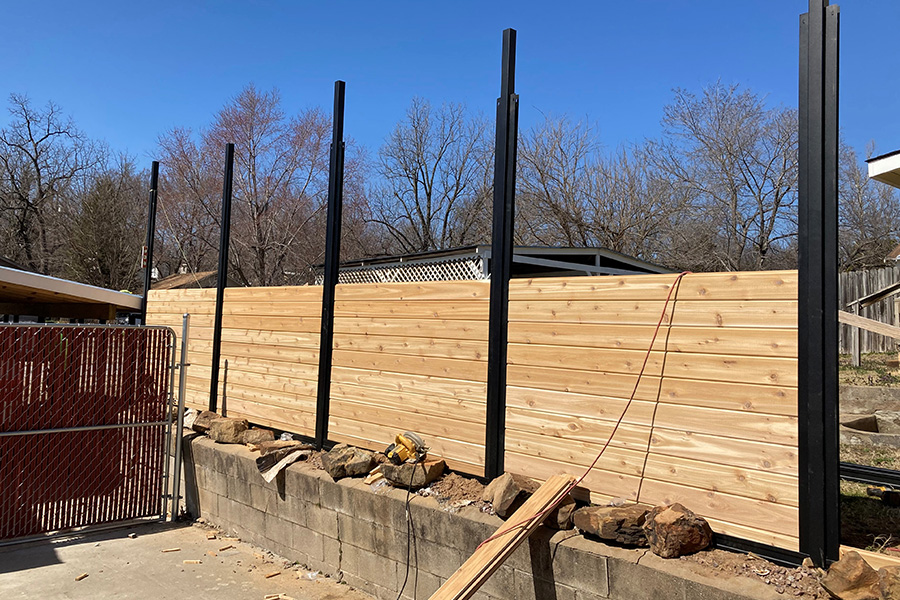
The FenceTrac frame comes with a 20-year warranty on structural components, and its expected functional lifespan is 25 to 40+ years.
If one board gets damaged, you don’t have to tear out a full section.
The modular U-channel design lets that single board slide out so it can be replaced without rebuilding the fence.
That’s a big change from wood, which often needs a full rebuild before Year 20.
With FenceTrac, the steel frame stays in place.
For budgeting, that kind of replacement pattern is a lot easier to plan around.
Budget Predictability
For finance teams, the appeal is simple.
You get one known upfront cost and far fewer mid-cycle surprises.
| Cost Category | FenceTrac Steel Frame (20 Years) |
|---|---|
| Staining / Sealing | $0 |
| Board Replacement | No routine board replacement |
| Post Replacement | $0 (steel does not rot) |
| Full Rebuild | Not expected within 20 years |
| 20-Year Maintenance Total | Minimal |
Next, we compare that 20-year profile with wood’s repairs, repainting, and earlier replacement cycle.
2. Traditional Wood Fencing
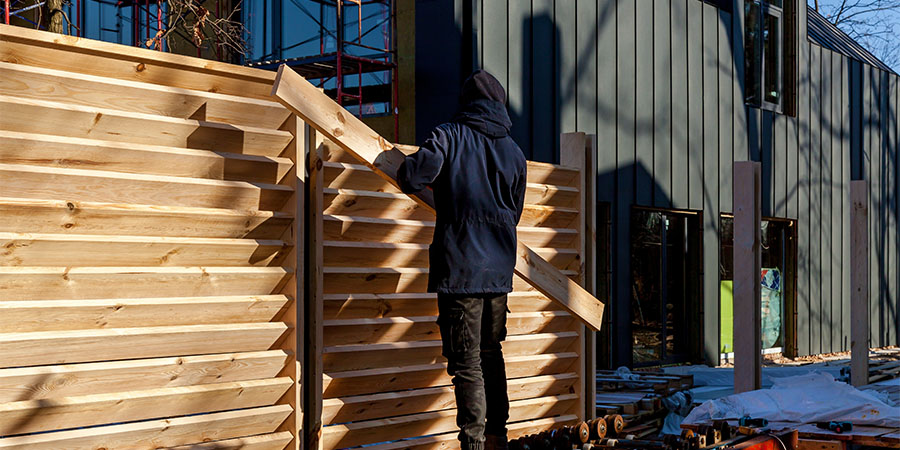
Upfront Cost
Wood usually comes in cheaper at the start, but that lower price often masks later upkeep and replacement costs.
In the first year alone, staining or sealing can add $500 to $1,500 to a 150-linear-foot fence.
And that’s before later site prep and footing removal add more to the bill.
So yes, traditional wood or timber brown composite can look good on paper at the start.
But that early price point doesn’t hold up well in a 20-year budget.
Maintenance Cost
Wood takes on moisture, shifts as temperatures change, and breaks down over time.
Maintenance can slow that wear.
It can’t stop it.
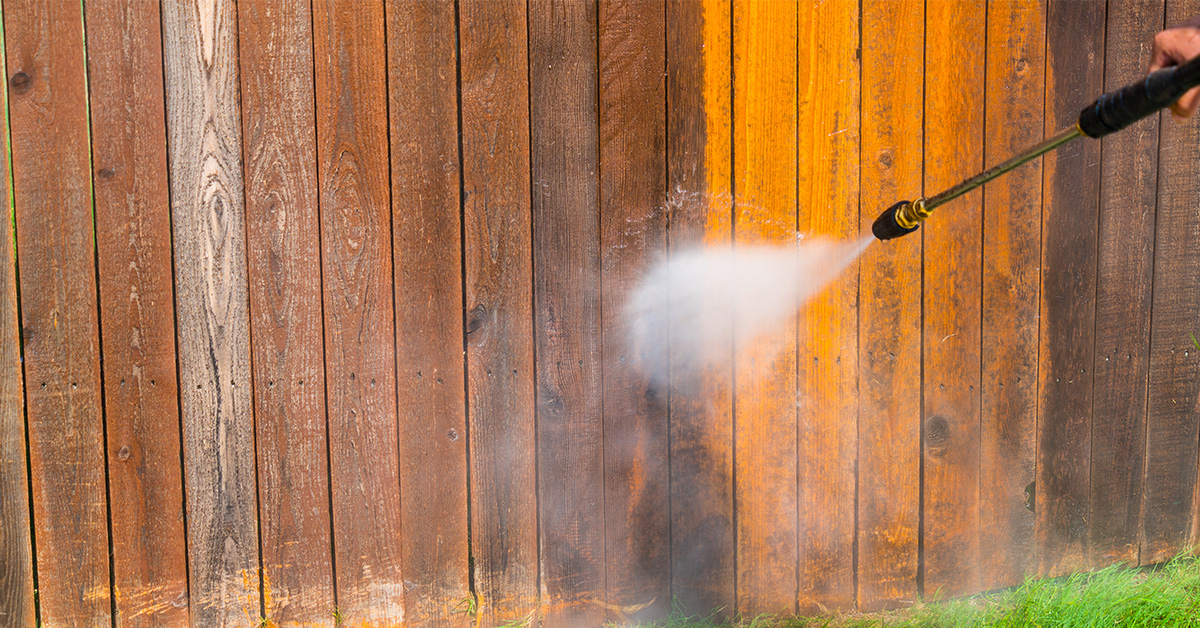
Staining or sealing is required every 2 to 3 years to protect the material.
Over 20 years, that adds up to 7 to 10 application cycles.
Across that span, staining and sealing alone can cost $1,400 to $15,000 for a 150-linear-foot fence.
That’s the part many buyers miss.
The fence may start cheap, but the upkeep keeps showing up.
Replacement Cycle
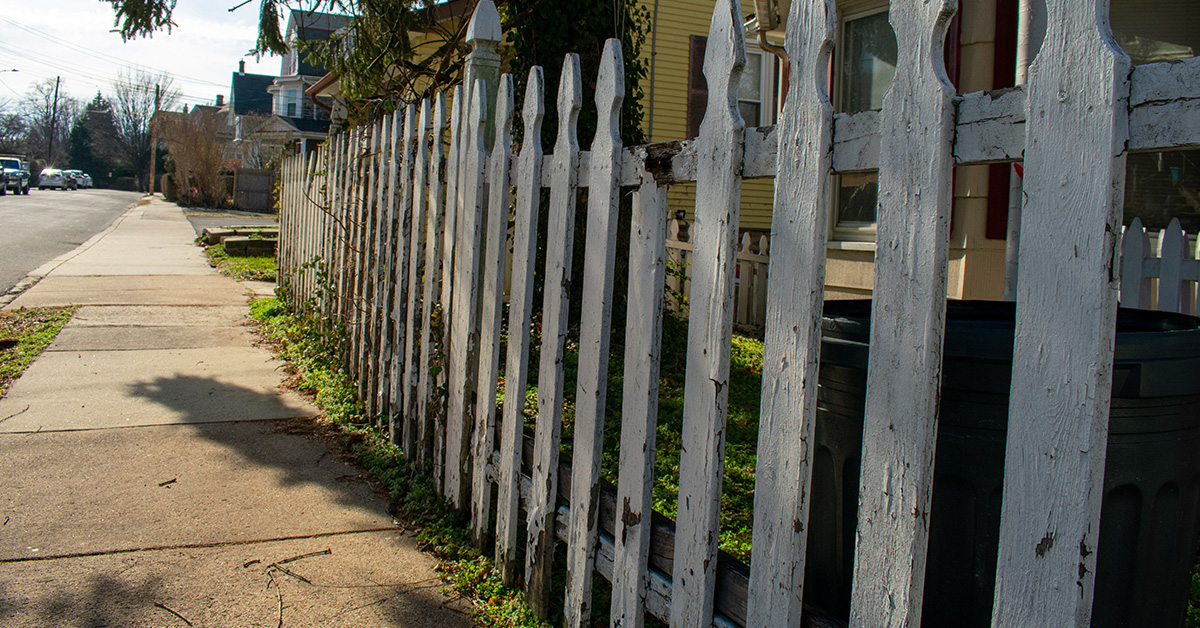
Warped or split boards often need repair after Year 5.
Post rot at the soil line, the most common failure point, usually starts around Year 8.
Replacing one post can cost $150 to $400, including labor to remove the old concrete footing and reset a new post.
Many commercial wood fences need a full rebuild by Years 12 to 18.
That means a 20-year budget has to cover the first install and at least one full replacement cycle.
For a 150-linear-foot fence, that rebuild can run $3,000 to $10,000+.
Budget Predictability
For finance teams, wood is tough to forecast.
Boards warp at different rates, posts fail on different schedules, and lumber prices can swing.
That leads to unplanned capital spend.
| Cost Category | Estimated Cost (150 Linear Feet) | Timing |
|---|---|---|
| Initial Installation | Lower than steel-frame | Year 0 |
| Staining & Sealing | $500–$1,500 per cycle | Every 2–3 years |
| Board Replacement | $500–$3,000+ cumulative | Starting Year 5 |
| Post Replacement | $300–$2,000+ cumulative | Starting Year 8 |
| Full Rebuild | $3,000–$10,000+ | Year 12–18 |
Without regular maintenance, service life can drop to 7 to 10 years.
That swing is exactly what finance teams need to model before signing off on a 20-year fence lifecycle cost.
Pros and Cons for Owners Building a Fence Lifecycle Budget
With the cost buckets in place, here’s the 20-year side-by-side budget view.
For finance teams, the better question isn’t which fence costs less on day one.
It’s which one costs less over 20 years.
| Factor | Traditional Wood | FenceTrac Steel-Frame |
|---|---|---|
| Upfront Cost | Lower initial spend | Higher initial spend |
| 20-Year Maintenance | $1,400–$15,000+ (staining, sealing) | No routine maintenance |
| Structural Failure Risk | High (post rot at soil line) | Minimal (steel does not rot) |
| Full Rebuild Required | Yes, typically Years 12–18 | Not required within 20 years |
| Manufacturer Warranty | 1–5 years on lumber | 20-year frame warranty |
| Budget Predictability | Low (variable repair costs) | High (fixed, known cost) |
Wood’s lower opening number is real.
But it starts to fade once staining cycles, board repairs, and post failures show up as unplanned operating costs.
That’s the hard part with wood.
The first invoice looks lighter, but the later costs can pile on in ways that are tough to map out ahead of time.
Steel-frame starts higher.
But after install, the recurring costs stay minimal, with no staining cycles, no post replacements, and no mid-life rebuild inside the 20-year window.
That changes the budgeting conversation.
You’re not just comparing purchase price.
You’re comparing a system with moving repair costs against one with a more fixed, known cost profile.
The frame also carries a 20-year warranty and a long service life.
That’s the comparison to carry into the final recommendation.
request commercial pricing or specs before you build the budget.
Conclusion: Which Fence Costs Less Over 20 Years?
The answer depends on what you’re measuring, install price or total cost over 20 years.
Wood usually costs less upfront.
But that lower starting price gets chipped away by repeat maintenance and a likely rebuild before Year 20.
In other words, the gap comes from upkeep and replacement, not just the day-one price.
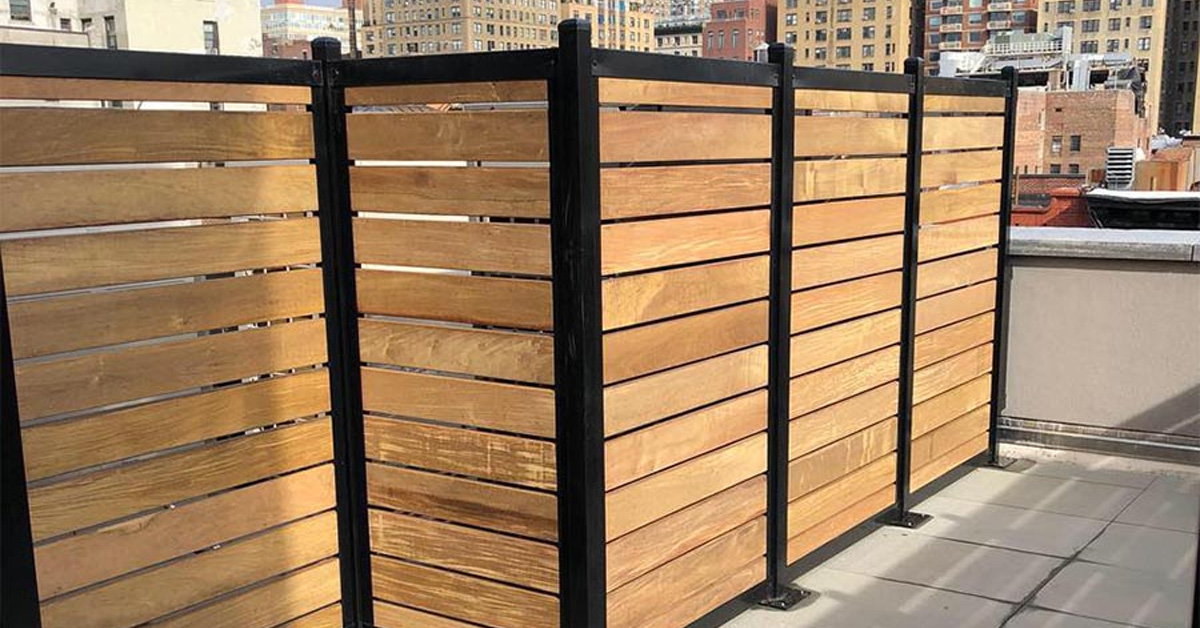
FenceTrac keeps the frame in place and limits replacement to damaged infill.
The galvanized, powder-coated steel frame resists rot, warping, and corrosion.
And if an infill board gets damaged, you can replace that board without replacing the whole structure.
For long-term owners, the math usually leans toward steel-frame fencing.
The higher upfront cost can mean a steadier 20-year budget across all three cost buckets, upfront cost, maintenance, and replacement, with fewer surprise repairs and a frame that stays in service while individual boards are swapped out as needed.
Request commercial pricing or review the full Specifications before your next budget committee meeting.

FAQs
What assumptions should I use in a 20-year fence budget?
Compare the higher upfront cost of a steel-frame system with wood’s long-term upkeep and replacement costs.
Wood tends to look cheaper on day one.
But over time, that gap often disappears.
With wood, you’re usually paying for staining and sealing every 2 to 3 years.
Then the repair cycle starts.
Board replacement often begins around year 5.
Post repair or full post replacement often shows up starting in year 8.
And somewhere between years 12 and 18, many wood systems need a full rebuild.
A steel-frame system costs more upfront, but day-to-day care is light.
In most cases, it only needs occasional cleaning.
Over a 20-year span, wood often ends up costing more overall.
When does steel-frame fencing usually break even?
Steel-frame fencing usually pays for itself within 15 to 20 years.
Yes, the upfront price is higher than wood.
But after that, the math starts to shift.
A steel-frame fence skips many of the repeat costs that come with wood, like staining, sealing, replacing warped or broken boards, and paying for a full rebuild down the road.
Wood fencing, on the other hand, often needs regular repairs and full replacement within 12 to 15 years.
So when you look at the full cost over 20 years, wood often ends up costing more than the one-time investment in a steel-frame system.
How should I present fence lifecycle cost to finance?
Present fence lifecycle cost as total cost of ownership over 15 to 20 years, not just the initial purchase price.
A side-by-side view makes this easy to see.
| Cost Factor | Wood Fence | Steel-Frame System |
|---|---|---|
| Upfront cost | Lower on day one | Higher on day one |
| Maintenance | Staining, sealing, and board repairs add up over time | Near-zero maintenance |
| Replacement | Eventual full replacement is often part of the long-term cost | More predictable long-term budget, with no frequent repair cycle |
The big point is simple.
Wood may look cheaper at first.
But over 15 to 20 years, the math changes.
You have to account for staining, sealing, damaged boards, routine fixes, and, in many cases, full replacement.
A steel-frame system costs more upfront.
But it gives you far fewer surprise costs and a budget that’s much easier to plan around.
Related Blog Posts
- Steel Framed Fence vs Wood Fence – Which Option Lasts Longer in Wind, Weather, and Time
- Low Maintenance Fence Options for Homeowners Who Want Long Term Durability
- Why Contractors Are Switching to Steel Framed Fence Systems for Fewer Callbacks
- How Much Does a FenceTrac Fence Cost? A 2026 Pricing Guide