
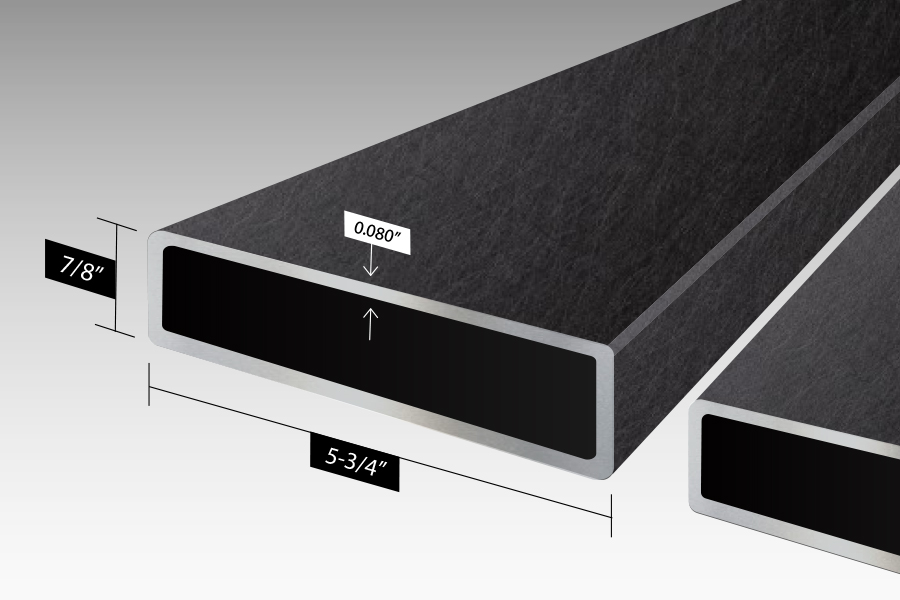
FenceTrac powder-coats every steel and aluminum component in the fence system, including the frame rails, posts, post caps, and aluminum infill boards and gate kits. Powder coating creates a durable, bonded finish that blocks moisture and oxygen from contacting the metal, which prevents the oxidation process that causes rust. Combined with the galvanized zinc layer on the steel components, powder coating gives FenceTrac’s frame a dual-layer corrosion defense.
The Short Answer
Powder coating is a dry finishing process where a fine polymer powder is electrostatically applied to metal and then cured in an oven. The heat melts the powder into a continuous film that bonds directly to the metal surface. This film acts as a physical barrier between the metal and the environment, blocking the moisture and oxygen that cause rust. It is thicker, more uniform, and more durable than conventional liquid paint.

How Rust Forms on Metal Fencing
Rust is iron oxide, formed when iron or steel is exposed to moisture and oxygen over time. The process is electrochemical: water acts as a conductor, oxygen supplies the reaction, and the iron in the steel converts to iron oxide (rust). Once rust starts, it spreads because the rough, porous rust surface holds more moisture, which accelerates further oxidation.
Any break in the protective surface of a steel fence component, whether from a scratch, a chip, or a worn coating, exposes the base metal and allows rust to begin.
How Powder Coating Protects Against Rust
Powder coating provides several advantages over liquid paint for outdoor metal fencing.
Thickness and Uniformity
A typical powder coat finish is 2 to 4 mils thick (0.002 to 0.004 inches). That is significantly thicker than most single-coat liquid paints, which typically run 1 to 2 mils. The thicker film provides a more substantial barrier against moisture penetration.
Because the powder is applied electrostatically, it wraps around edges and into recesses more evenly than brush or spray paint. This uniform coverage eliminates the thin spots and drips that create weak points in a liquid paint finish.

Chemical Bond to the Metal
The oven curing process (typically 350 to 400 degrees Fahrenheit) melts the powder particles into a continuous polymer film that chemically bonds to the metal surface. This bond is stronger than the mechanical adhesion of liquid paint, which simply dries on top of the surface. A bonded film is harder to chip, scratch, or peel.
Resistance to Chipping and Impact
Powder-coated surfaces are more flexible than painted surfaces. They absorb minor impacts from landscaping equipment, wind-blown debris, and everyday contact without cracking or flaking. When the finish stays intact, the corrosion barrier stays intact. This is critical for fence components that are exposed to yard maintenance equipment and weather year-round.
Powder Coating Plus Galvanization: The Dual-Layer System
FenceTrac’s steel frame uses both galvanization and powder coating. These two layers serve different functions and work together.
G90 galvanization applies a zinc layer to the steel surface. Zinc is a sacrificial metal, meaning it corrodes before the steel does. Even if the surface is scratched and the zinc is exposed, the zinc corrodes preferentially, protecting the steel underneath. The G90 designation means 0.90 ounces of zinc per square foot, which is the heaviest standard residential galvanization grade.
The powder coat goes on top of the galvanized layer. It protects both the zinc and the steel from environmental exposure. If the powder coat is scratched, the zinc layer is still there as a second line of defense. If both layers are compromised at a single point, the zinc corrodes first, giving the steel additional time before rust can start.
This dual-layer corrosion defense is why FenceTrac carries a 20-year warranty on the frame. Neither layer alone provides the same level of protection that the two layers provide together.
Powder Coat Color Options
FenceTrac’s powder coat is available in four standard colors: Black, Bronze, White, and Silver. The color is integrated into the powder, so it does not fade or peel the way surface paints do. The same UV resistance that protects the metal also holds the color stable over years of sun exposure.
For fence design projects where color consistency matters across a large property or a multi-phase installation, powder-coated finishes deliver batch-to-batch color matching that liquid paint cannot reliably achieve.
How Powder Coating Compares to Paint on Fencing
| Property | Powder Coating | Liquid Paint |
|---|---|---|
| Typical thickness | 2-4 mils | 1-2 mils |
| Adhesion | Chemical bond (oven-cured) | Mechanical adhesion (air-dried) |
| Chip resistance | High | Moderate |
| UV resistance | High (formulated for exterior) | Varies by product |
| Coverage uniformity | Electrostatic, wraps edges | Brush/spray, prone to thin spots |
| Maintenance | None | Recoat every 3-5 years |
When Powder Coating Matters Most
Powder coating is valuable on any outdoor metal product, but it matters most in environments with high moisture, salt air, chemical exposure, or frequent physical contact.
Coastal properties benefit from the corrosion barrier against salt spray. Commercial and industrial sites benefit from the impact resistance against equipment. Pool perimeters benefit from the moisture and chemical resistance against chlorinated water and splash.
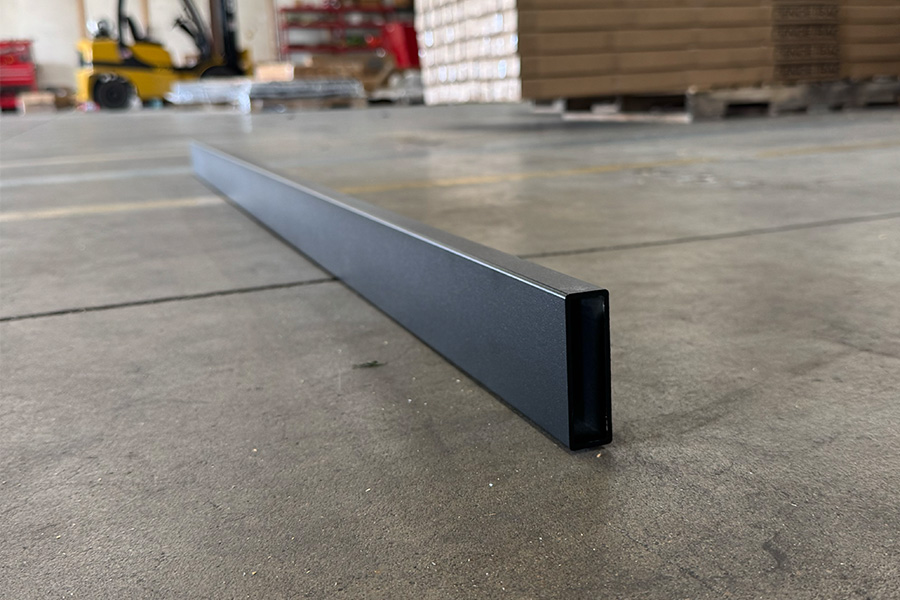
In all of these environments, a powder-coated galvanized steel frame outperforms painted steel, bare galvanized steel, and untreated aluminum over the long term.
Related Questions
Can a powder-coated fence be repaired if scratched? Minor scratches can be touched up with color-matched paint. The galvanized layer underneath continues to protect the steel even if the powder coat is locally damaged.
How do you build a fence that won’t warp or rot? Powder coating prevents rust on the steel frame, while the choice of infill (composite, PVC, or aluminum) prevents warping and rot on the visible surface.
See Also
What is G90 galvanized steel and why does it matter for fencing? for a detailed explanation of the galvanization layer that sits beneath the powder coat.
Get a Quote for Powder-Coated Fencing
FenceTrac ships fence systems nationally and has been manufacturing engineered fencing in the USA since 2012.
Every system carries a 20-year warranty and is engineered for long-term performance with minimal maintenance.