
FenceTrac’s aluminum infill and LuxeCore composite infill are both engineered to withstand rain, humidity, UV exposure, salt air, freeze-thaw cycles, and high winds without degradation. When paired with the FenceTrac galvanized steel frame, which carries a 20-year warranty, the complete system is built for long-term weather resistance in every climate zone.
The Short Answer
Aluminum is the single most weather-resistant fence infill material. It does not rust, rot, warp, absorb water, or degrade under UV exposure. Composite (LuxeCore) is a close second, combining an aluminum core with an ASA exterior that resists all the same weather conditions while delivering a textured wood-look finish.
Weather Resistance by Fence Material
Each fence material responds differently to the five primary weather stressors: moisture, UV, wind, temperature extremes, and salt air. This comparison shows how each material performs across all five.
| Material | Moisture | UV | Wind | Temp Extremes | Salt Air |
|---|---|---|---|---|---|
| Aluminum infill | Immune | Resistant | Strong | Stable | Immune |
| LuxeCore composite | Resistant | Resistant (ASA) | Strong | Stable | Resistant |
| UltraBlend PVC | Resistant | Resistant (ASA) | Good | Good | Resistant |
| Galvanized steel (frame) | Resistant (G90) | Resistant | Strong | Stable | Resistant |
| Cedar | Moderate | Low | Moderate | Expands/contracts | Low |
| Vinyl (standard) | Resistant | Moderate | Moderate | Brittle in cold | Good |
| Chain link | Rusts without coating | N/A | Good | Stable | Rusts |
Why Aluminum Tops the Weather Resistance List
Aluminum does not corrode in water, does not absorb moisture, does not expand or contract with temperature changes in any measurable way, and does not degrade under UV exposure. These properties are inherent to the metal itself, not dependent on a coating or treatment.
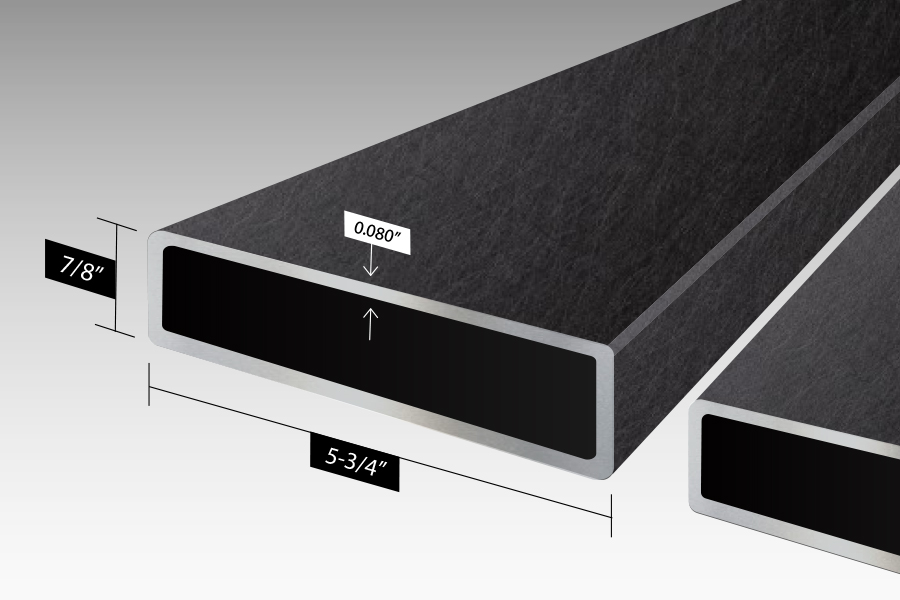
FenceTrac’s aluminum infill boards are 6063-T5 aluminum, powder-coated in Black, White, Silver, or Bronze. The powder coat adds color and scratch resistance on top of the aluminum’s natural weather immunity.
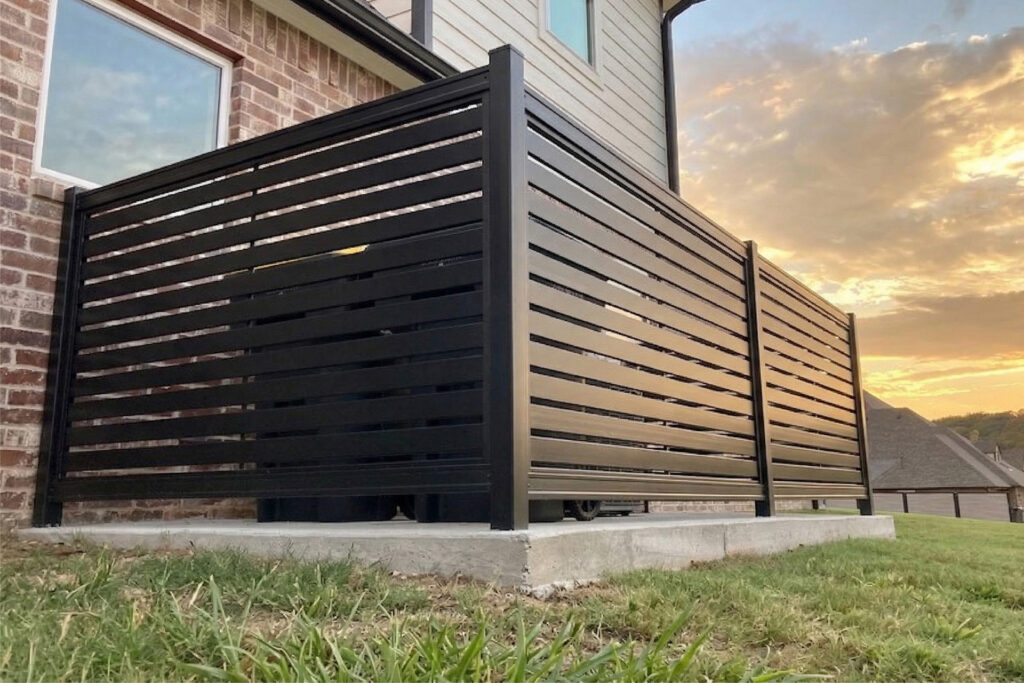
For coastal properties, hurricane zones, pool perimeters, and industrial sites where moisture and chemical exposure are constant, aluminum infill is the most durable option available in the FenceTrac system.
Composite: Weather Resistance with a Wood-Look Finish
LuxeCore composite infill delivers weather resistance that approaches aluminum while adding the warmth and texture of a wood-grain finish. The ASA exterior layer is the key. ASA is specifically engineered for long-term outdoor exposure and outperforms standard PVC, ABS, and painted surfaces in UV and moisture resistance tests.
The aluminum core inside each LuxeCore board adds structural rigidity that prevents the warping and sagging that affect solid-polymer boards in temperature extremes. The cellular PVC middle layer is non-porous, so moisture never reaches the core.
LuxeCore carries a Limited Lifetime Warranty, which reflects the manufacturer’s confidence in its weather performance over decades of outdoor exposure.

The Frame’s Role in Weather Resistance
The infill material is only half the equation. The frame and posts are exposed to the same weather conditions, and they need to perform just as well.
FenceTrac’s frame rails are G90 galvanized steel, powder-coated. G90 galvanization applies 0.90 ounces of zinc per square foot of steel surface, creating a corrosion barrier that protects the base steel from moisture, salt, and chemical exposure. The powder coat adds a second layer of protection plus the finished color.
The posts are G90 galvanized steel, also powder-coated. The combination of galvanization plus powder coating gives the structural components weather resistance that matches the infill, so no part of the fence system is a weak link.

Weather-Resistant Fence Ideas by Climate
The right material choice depends on which weather stressors dominate your area.
In humid and rainy climates, moisture resistance is the priority. LuxeCore composite and aluminum both perform well. Avoid untreated wood, which absorbs moisture and develops mold.
In hot, sunny climates, UV resistance matters most. LuxeCore’s ASA exterior and aluminum’s inherent UV stability both hold up under intense sun. Standard vinyl can yellow and become brittle. Wood grays and cracks without regular sealing.
In coastal and salt air environments, aluminum infill is the top choice. Salt accelerates corrosion in unprotected metals and degrades wood finishes. Aluminum and the galvanized steel frame resist salt air without additional treatment.
In cold climates with freeze-thaw cycles, avoid materials that absorb water. Water inside wood or poorly sealed vinyl expands when it freezes, cracking the material from the inside. Composite and aluminum do not absorb water, so freeze-thaw has no effect on them.
Related Questions
How long does a composite fence last? LuxeCore composite fencing is engineered to last 20 years or more with zero maintenance.
Does FenceTrac hold up in hurricanes? FenceTrac with LuxeCore composite infill was tested to a 55.0 psf design wind load under ASTM E330 and met Large Missile Impact Level D under ASTM E1886, both tested by QAI Laboratories in Miami. These are the standards used for hurricane-zone product certification.
See Also
Does fence material affect my home’s resale value? for how material choice and long-term condition influence property value.
Get a Quote for Weather-Resistant Fencing
FenceTrac ships fence systems nationally and has been manufacturing engineered fencing in the USA since 2012.
Every system carries a 20-year warranty and is engineered for long-term performance with minimal maintenance.