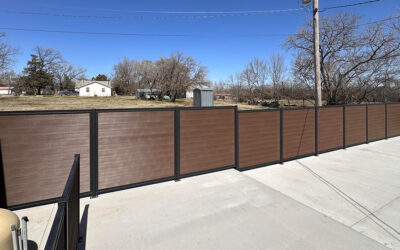
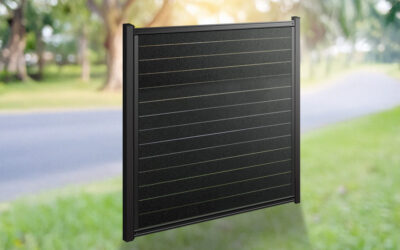
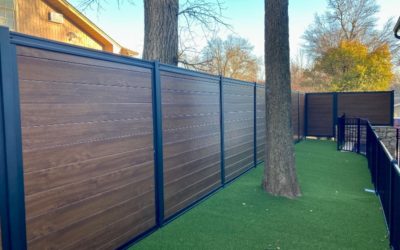
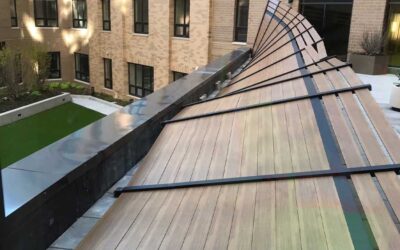
FenceTrac fence systems with LuxeCore aluminum-core composite infill have been tested to a 55.0 psf design wind load and 82.5 psf structural load under ASTM E330 at QAI Laboratories in Miami. Commercial fencing wind load requirements vary by jurisdiction, but most...
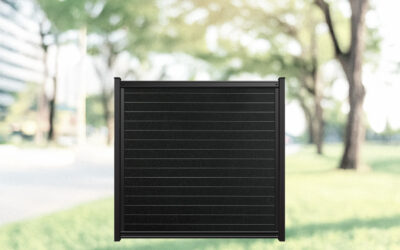
Wind-Resistant Fencing
How Much Wind Force Does a 6-Foot Fence Experience?
FenceTrac with LuxeCore composite infill has been tested to a design wind load of 55.0 psf (pounds per square foot) under ASTM E330 at QAI Laboratories, which means the system held structural integrity under uniform pressure equivalent to severe wind conditions...
How to Build a Fence That Meets 150 MPH Wind Requirements
FenceTrac with LuxeCore composite infill has been tested to a 55.0 psf design wind load and 82.5 psf structural load under ASTM E330 at QAI Laboratories in Miami, placing its tested performance in the pressure range associated with wind speeds of 130 to 150+ mph using...
What Wind Speeds Can a Traditional Wood Fence Withstand?
The direct answer is that most traditional wood fences do not have a wind rating. They are built to local convention rather than a tested structural standard, and their ability to handle high wind depends on a set of variables that are rarely engineered in advance....
What Causes Fence Failure in High Winds?
FenceTrac's galvanized steel frame system is engineered to resist the most common causes of fence failure in high winds, including post rotation, fastener pullout, infill separation, and ground-line rot. The system was tested to 55.0 psf design wind load and 82.5 psf...
How to Build an Extremely Strong Privacy Fence
FenceTrac's galvanized steel frame privacy fence system is engineered to be significantly stronger than conventional wood or vinyl fencing, with third-party test results showing the system withstands a 55.0 psf design wind load and 82.5 psf structural load under ASTM...
What Are the Best Fence Materials for Hurricane-Prone Areas?
FenceTrac's steel-framed fence system with LuxeCore composite infill was tested to 55.0 psf design wind load and 82.5 psf structural load under ASTM E330, and passed Large Missile Impact Level D under ASTM E1886 at QAI Laboratories in Miami. Those are the same test...
Why Is 6-Foot Fence Post Spacing Better Than 8-Foot in High-Wind Areas?
FenceTrac manufactures modular fence panels in both 6-foot and 8-foot widths, with galvanized steel frames and posts engineered for wind load performance. In high-wind areas, 6-foot post spacing reduces the wind load per panel and per post, which directly improves the...
What Fence Engineering Standards Apply to High-Wind Zones?
Fencing a property in a high-wind zone involves navigating a set of engineering standards and building codes that most fence buyers and many contractors have not worked with before. Understanding which standards apply to your project, and what each one actually...
Can FenceTrac Fence Systems Be Engineered for Wind Load Requirements?
FenceTrac fence systems can be engineered for wind load requirements. The system has been tested to third-party structural standards and can be specified with site-specific engineering documentation when local code or a project engineer requires it. This puts...