
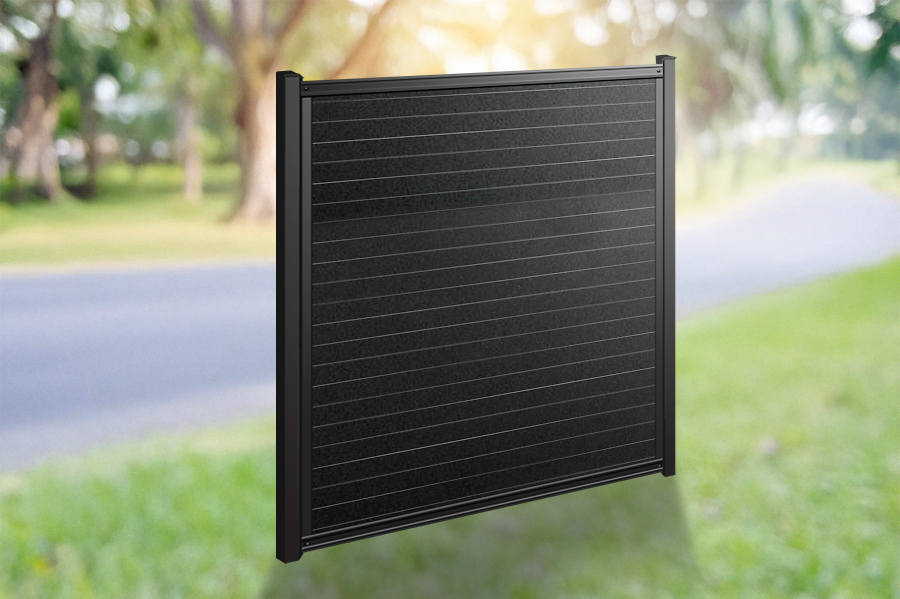
FenceTrac’s steel-framed fence system with LuxeCore composite infill was tested to 55.0 psf design wind load and 82.5 psf structural load under ASTM E330, and passed Large Missile Impact Level D under ASTM E1886 at QAI Laboratories in Miami. Those are the same test standards used for hurricane-zone product certification in coastal building codes.
The Short Answer
The best fence materials for hurricane-prone areas are galvanized steel frames with composite or aluminum infill. Steel provides the structural rigidity to resist sustained wind loads. Composite and aluminum infill boards are moisture-resistant, pest-proof, and do not degrade in the salt air and humidity that define coastal environments.
Wood and vinyl fencing fail frequently in hurricanes because they lack the connection strength and structural rigidity to handle the combination of sustained pressure, suction forces, and debris impact that hurricanes produce.
What Hurricane Winds Do to a Fence
Hurricane damage to fences is not just about wind speed. Three separate forces attack the fence simultaneously.
Sustained Lateral Pressure
A privacy fence acts as a solid wall. Wind pushes against the full surface area of every panel. At hurricane-force winds, the pressure can exceed 50 psf across the fence face. That kind of sustained lateral force tests every connection in the system, from the footing to the top rail.
Suction and Uplift
When wind flows over and around a fence, it creates negative pressure (suction) on the leeward side. This pulls the fence in the opposite direction of the wind. The alternating push-pull forces are what cause fastener pullout and rail separation in wood fences. FenceTrac’s ASTM E330 testing included negative load testing at the same pressures as positive, and the system passed at 82.5 psf in both directions.
Debris Impact
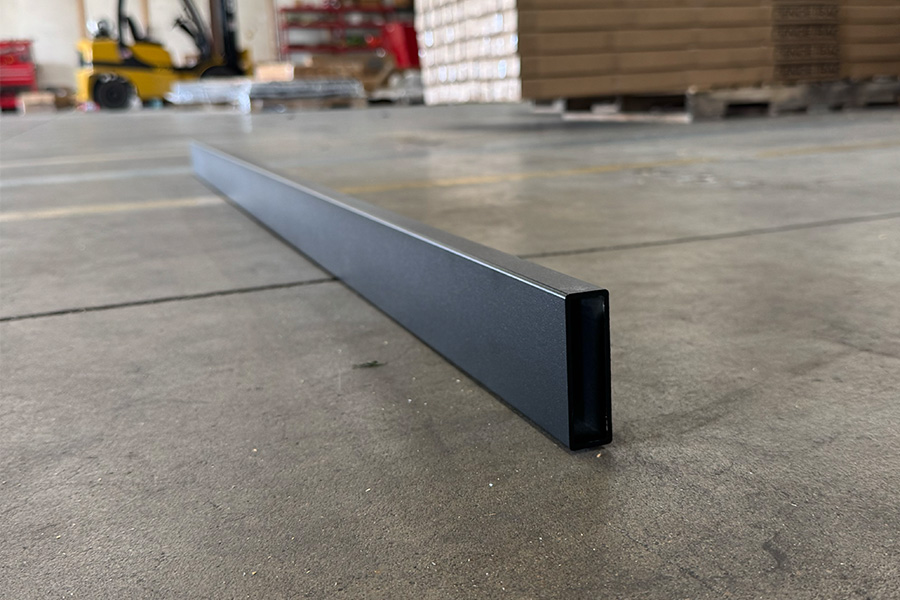
Flying debris during a hurricane turns loose objects into projectiles. Standard fence materials crack, puncture, or shatter on impact. FenceTrac’s system passed Large Missile Impact Level D under ASTM E1886, the most stringent large missile category. The test fires a 9.25-pound 2×4 lumber projectile at nearly 50 feet per second. Three consecutive impacts produced no damage to the sample or fasteners.
Fence Materials Ranked for Hurricane Performance
Not all fence materials respond to hurricane forces the same way. Here is how the most common options compare.
| Material | Wind Resistance | Debris Impact | Corrosion Resistance | Post-Storm Maintenance |
|---|---|---|---|---|
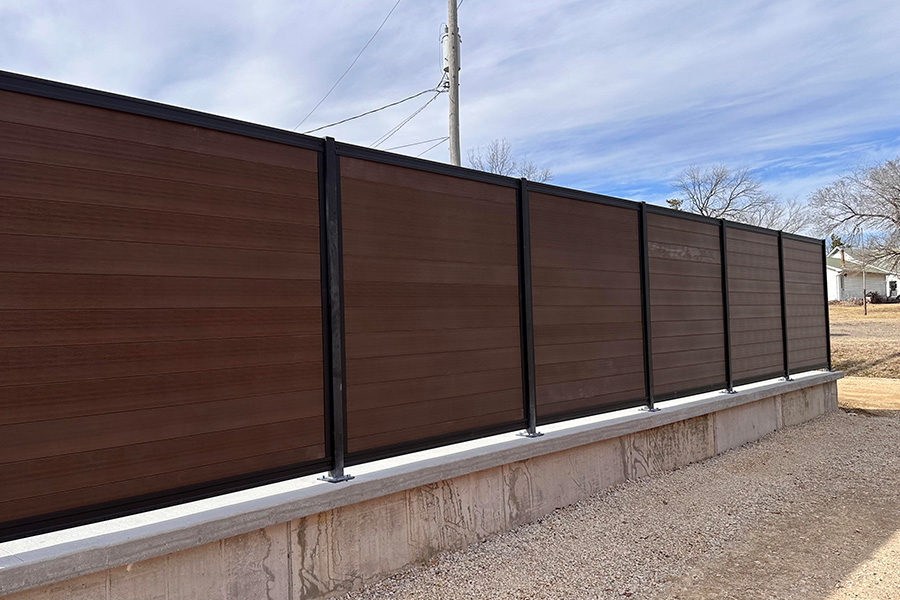
| Steel frame + composite infill | High (tested to 82.5 psf) | High (ASTM E1886 Level D) | High (galvanized + powder coat) | None typical |
| Steel frame + aluminum infill | High | High | Very high (aluminum + powder coat) | None typical |
| Aluminum frame + aluminum pickets | Moderate | Low (pickets bend) | High | Picket replacement |
| Wood | Low | Low (boards split) | Low (rot, mold) | Board and post replacement |
| Vinyl | Low | Very low (shatters) | Moderate | Full panel replacement |
| Chain link | Moderate (wind passes through) | Low (deforms) | Low to moderate | Post and fabric repair |
Why Steel Frames Outperform in Hurricanes
The frame is what holds the fence together under stress. In a hurricane, the infill transfers wind load to the frame, and the frame transfers it to the posts and footings. If any link in that chain is weak, the fence fails.
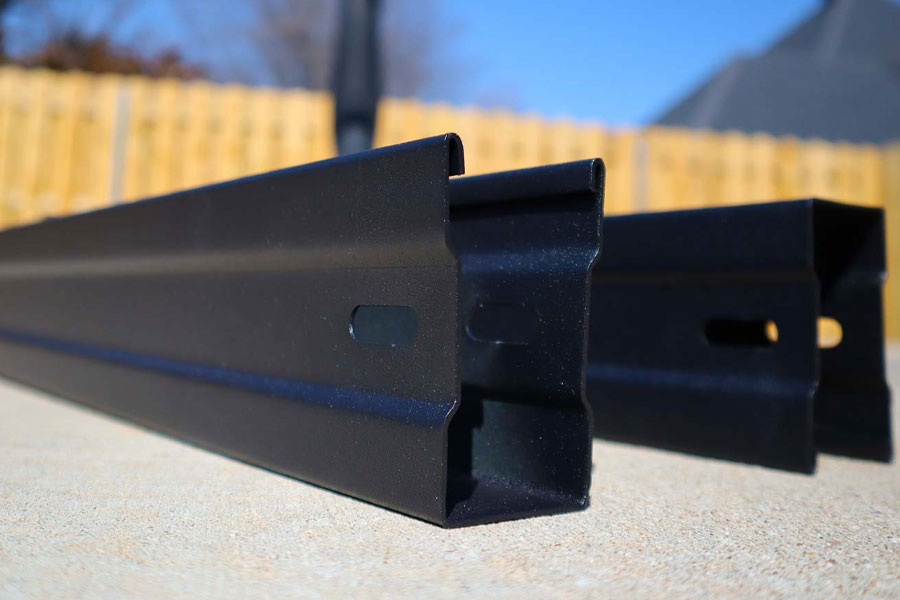
FenceTrac’s frame uses G90 galvanized steel channels bolted together with carriage bolts and fastened to posts with self-tapping screws. Every connection is steel-to-steel. There is no wood-to-nail end-grain joint anywhere in the system.
The galvanized steel also resists the corrosive salt air that dominates coastal environments. G90 galvanization provides 0.90 oz of zinc coating per square foot, the highest standard zinc coating for hot-dip galvanized steel in fencing. The powder coat over the zinc adds a second barrier against salt spray and humidity.
Coastal and Hurricane-Zone Fence Design Options
FenceTrac offers several infill options suited to hurricane-prone areas.
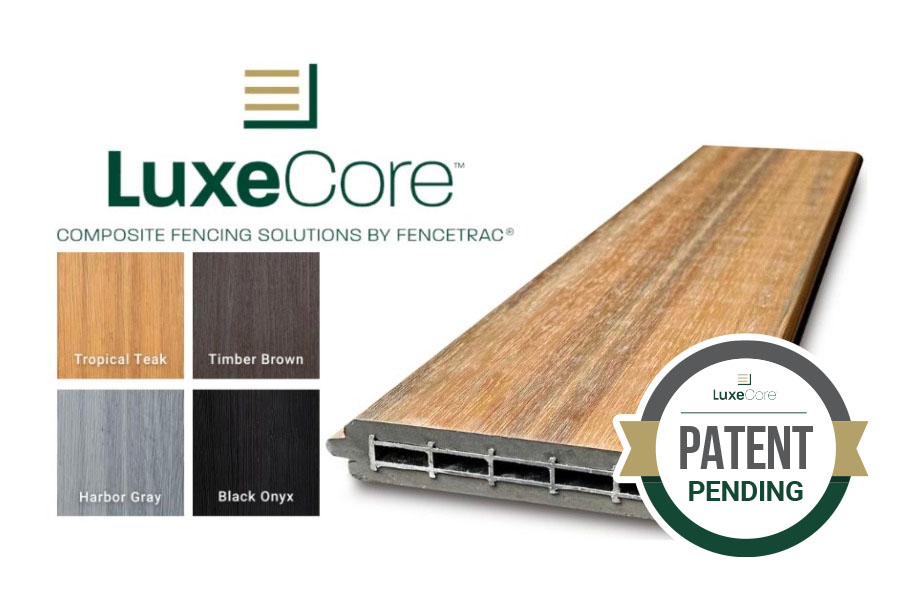
LuxeCore composite infill is the tested option. Its aluminum core, cellular PVC layer, and ASA exterior make it impact resistant, moisture resistant, and UV resistant. LuxeCore carries a Limited Lifetime Warranty.
Aluminum infill boards are another strong choice for coastal applications. Aluminum is inherently corrosion resistant and non-combustible. For projects near occupied structures with fire code requirements, FenceTrac’s fire-rated fencing uses aluminum infill and carries an ASTM E84-24 Class A fire rating.
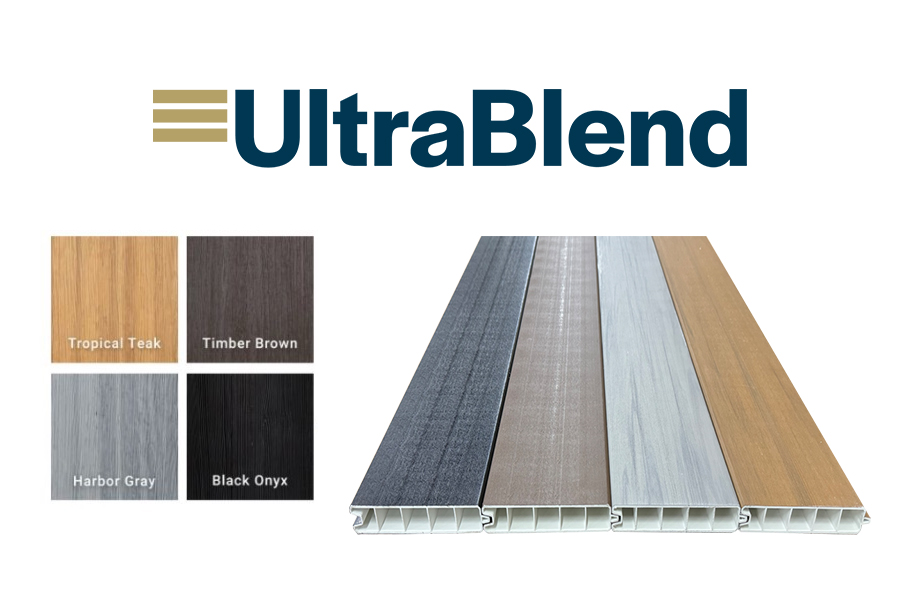
UltraBlend PVC infill is a third option. Its ASA exterior resists UV and moisture degradation in coastal climates. It does not have the aluminum core of LuxeCore, but its 1-inch-thick tongue-and-groove profile provides solid wind resistance within the steel frame.
Related Questions
Has FenceTrac been tested for hurricanes? FenceTrac’s LuxeCore system was tested at QAI Laboratories in Miami to ASTM E330 (wind load) and ASTM E1886 (missile impact), the same standards used for hurricane-zone product certification. The system passed all tests with no damage.
Do I need an engineer for a hurricane-zone fence? In many coastal jurisdictions, yes. Building departments may require stamped drawings and site-specific wind load calculations for fences above a certain height or in high-velocity hurricane zones. FenceTrac provides engineering support for these projects.
What about chain link in hurricane areas? Chain link allows wind to pass through, which reduces lateral load. But chain link fabric deforms under debris impact, the posts bend, and it provides no privacy. For applications that require both wind resistance and privacy, a steel-framed privacy fence is the better investment.
See Also
FenceTrac privacy fencing for full product details, infill options, and panel configurations.
Get a Quote for Hurricane-Zone Fencing
FenceTrac has been manufacturing engineered fence systems in the USA since 2012 and ships nationally to hurricane-prone regions along the Gulf Coast, Atlantic Coast, and Caribbean.
Every system carries a 20-year warranty and is engineered for long-term performance with minimal maintenance.