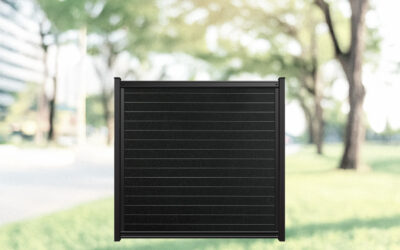
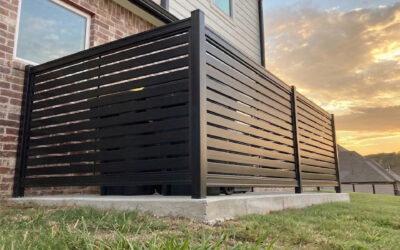
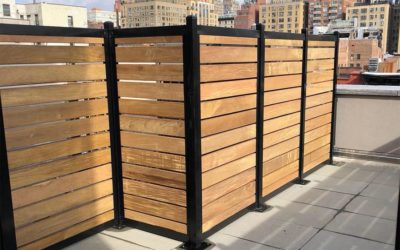
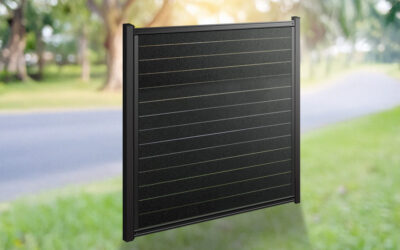
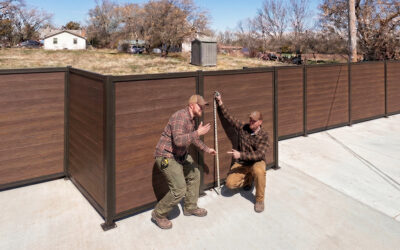
FenceTrac with LuxeCore aluminum-core composite infill is one of the few residential and commercial fence systems to pass third-party impact testing. In lab testing at QAI Laboratories in Miami, the system absorbed three direct hits from a 9.25 lb 2x4 lumber missile...
Fence Guide for Commercial Property Owners & Managers
What Are the Wind Load Requirements for Commercial Fencing?
FenceTrac fence systems with LuxeCore aluminum-core composite infill have been tested to a 55.0 psf design wind load and 82.5 psf structural load under ASTM E330 at QAI Laboratories in Miami. Commercial fencing wind load requirements vary by jurisdiction, but most...
How to Specify a Modular Fence System in Architectural Plans
FenceTrac's modular fence system is classified under CSI Section 32 31 00 (Fences and Gates) in the MasterFormat specification framework. Specifying it in architectural plans requires a structured product section that defines the frame material, infill type, post...
Can FenceTrac Be Mounted to Concrete or Rock Pillars?
FenceTrac's steel U-channel side rails can be mounted directly to concrete or rock pillars using the appropriate masonry fasteners. This configuration eliminates the need for steel fence posts between pillars and allows the FenceTrac frame and infill to span from...
Can FenceTrac Be Used for Dumpster Corral Enclosures?
FenceTrac's Enclosures system is designed for exactly this application. It uses the same G90 galvanized steel frame and infill options as the standard FenceTrac fence system, but configured specifically for dumpster corrals, trash enclosures, and utility screening....
What Are the Best Privacy Screening Options for Multifamily Housing?
FenceTrac's modular steel frame fence system is engineered for the specific demands of multifamily housing: consistent appearance from every unit, zero maintenance for property management, and a 20-year warranty on the galvanized steel frame. The system is used in...
What Are the Best Fence Systems for Coastal Environments?
FenceTrac's galvanized steel frame with aluminum or LuxeCore composite infill is engineered for the combination of salt air, sustained humidity, high winds, and intense UV that define coastal environments. The system has been tested to a 55.0 psf design wind load...
How Long Does a Steel Frame Privacy Fence Last Compared to Wood?
A galvanized steel frame privacy fence will outlast a wood privacy fence by a significant margin. The difference is not small. It is typically two to three times the functional lifespan, with far less maintenance required along the way. The question most property...
What Is G90 Galvanized Steel and Why Does It Matter for Fencing?
FenceTrac builds its frame system from G90 galvanized steel, which carries 0.90 oz of zinc coating per square foot of steel surface. That is the highest standard zinc coating designation for hot-dip galvanized steel used in fencing applications, and it directly...
Is a Steel Frame Fence More Expensive Upfront but Cheaper Long-Term?
FenceTrac's galvanized steel frame fence system carries a higher initial price than a standard wood post-and-rail fence, but the total cost of ownership over 10 to 20 years is typically lower because the steel frame eliminates the recurring expenses that make wood...
What Are the Advantages of a Modular Fence System for Commercial Properties?
FenceTrac's modular fence system gives commercial property owners a single structural framework that accepts multiple infill materials, ships as pre-cut components, and installs with consistent panel-to-panel uniformity across large-scale projects. The galvanized G90...
How to Save on Taxes When You Buy a New Fence
FenceTrac fence systems installed on commercial, rental, or agricultural properties may qualify for tax deductions through depreciation, Section 179 expensing, or bonus depreciation, depending on the property type and how the fence is used. Residential homeowners...
What Is Fire-Rated Fencing and When Is It Required?
FenceTrac's fire-rated fencing carries an ASTM E84-24 Class A rating, tested by QAI Laboratories with a Flame Spread Index of 0 and a Smoke Developed Index of 35. Fire-rated fencing is required by building codes in specific situations where a fence is close to an...
What Materials Qualify for Fire-Rated Fence Applications?
FenceTrac's fire-rated fencing uses 6063-T5 aluminum infill boards in a galvanized steel frame, achieving a Class A rating under ASTM E84-24 with a Flame Spread Index of 0 and a Smoke Developed Index of 35, both tested by QAI Laboratories. Not all fence materials...
How Tall Does a Dumpster Enclosure Need to Be?
FenceTrac's enclosure system is available in 4-foot, 6-foot, and 8-foot heights, giving commercial property owners the flexibility to match the enclosure height to the dumpster size and local code requirements. Most municipalities require the enclosure to fully screen...
What Is the Best Material for a Commercial Equipment Enclosure?
FenceTrac's enclosure system uses a galvanized G90 steel frame with interchangeable infill options, making it the most versatile material choice for commercial equipment screening. The steel frame carries a 20-year warranty and accepts LuxeCore composite, UltraBlend...
How Do I Screen HVAC Units with Fencing?
FenceTrac's enclosure system screens HVAC equipment from public view while preserving the airflow clearance that condensers and heat exchangers require to operate efficiently. The system is available in privacy (solid infill), semi-privacy (spaced aluminum slats), and...
What Does ASTM E84 Class A Mean for Fencing?
FenceTrac fire-rated fencing carries an ASTM E84-24 Class A fire rating, the highest classification under the ASTM E84 standard for surface burning characteristics. In testing by QAI Laboratories, the system scored a Flame Spread Index of 0 and a Smoke Developed Index...
What Is the Difference Between Fire-Rated and Fire-Resistant Fencing?
FenceTrac fire-rated fencing carries an ASTM E84-24 Class A rating with a Flame Spread Index of 0 and a Smoke Developed Index of 35, tested by QAI Laboratories. The difference between "fire-rated" and "fire-resistant" is the difference between a tested, documented...
How Tall Does a Fire-Rated Fence Need to Be?
FenceTrac fire-rated fencing is available in 4-foot, 6-foot, and 8-foot heights, covering the full range of fire-rated fence height requirements found in US building codes. There is no single national standard for fire-rated fence height. The required height depends...
What Type of Fence Is Required Near Electrical Transformers or Utility Equipment?
FenceTrac fire-rated fencing is built entirely from non-combustible materials, galvanized G90 steel frame and 6063-T5 aluminum infill, and carries an ASTM E84-24 Class A fire rating with a Flame Spread Index of 0. Fencing near electrical transformers, switchgear,...
Do I Need a Fire-Rated Fence Around a Dumpster Enclosure?
FenceTrac's enclosure system with aluminum infill carries an ASTM E84-24 Class A fire rating, making it one of the few dumpster enclosure options that meets fire code requirements without a secondary fire barrier. In many jurisdictions, building codes require...
What Are the Best Fence Materials for Hurricane-Prone Areas?
FenceTrac's steel-framed fence system with LuxeCore composite infill was tested to 55.0 psf design wind load and 82.5 psf structural load under ASTM E330, and passed Large Missile Impact Level D under ASTM E1886 at QAI Laboratories in Miami. Those are the same test...
How Tall Can a Privacy Fence Be?
FenceTrac manufactures modular privacy fence systems in 4-foot, 6-foot, and 8-foot heights using galvanized steel frames and engineered infill boards. The maximum height you can install depends on your local building code, HOA restrictions, and whether the fence is in...