
FenceTrac fence systems with LuxeCore aluminum-core composite infill have been tested to a 55.0 psf design wind load and 82.5 psf structural load under ASTM E330 at QAI Laboratories in Miami. Commercial fencing wind load requirements vary by jurisdiction, but most projects in the United States fall under the International Building Code (IBC), which references ASCE 7 for wind pressure calculations based on geographic wind speed, exposure category, and structure classification.
The Short Answer
There is no single national wind load requirement for commercial fencing. Requirements depend on the local building code (usually IBC), the project’s geographic basic wind speed (found in ASCE 7 wind speed maps), the site’s exposure category (B, C, or D), and whether the jurisdiction classifies the fence as a structure requiring engineered design. In high-wind zones, many jurisdictions require stamped engineering drawings showing the fence can withstand the calculated design pressure for the site.

How Wind Load Is Calculated for Fencing
Wind load on a fence is expressed in pounds per square foot (psf). It represents the lateral pressure the wind exerts on the fence face. The calculation considers several variables that are specific to each project site.
Geographic Basic Wind Speed
ASCE 7 (Minimum Design Loads for Buildings and Other Structures) provides wind speed maps for the entire United States. These maps show the basic wind speed for each region, measured in miles per hour at 33 feet above ground in open terrain.
Most of the interior United States falls in the 90 to 115 mph range. Coastal areas, especially along the Gulf Coast and Atlantic seaboard, range from 130 to 180 mph. The higher the basic wind speed, the higher the design pressure the fence must resist.

Exposure Category
Exposure category describes the surrounding terrain and its effect on wind speed at the fence location. ASCE 7 defines three categories commonly applied to fence projects.
Exposure B applies to urban, suburban, and wooded areas where buildings and trees reduce ground-level wind speeds. Exposure C applies to open terrain with scattered obstructions, including flat farmland, grasslands, and shorelines outside hurricane zones. Exposure D applies to flat, unobstructed coastal areas directly exposed to wind from large bodies of water.
A fence in Exposure D experiences significantly higher wind pressure than the same fence in Exposure B at the same basic wind speed. The exposure category can be the difference between a fence that needs standard footings and one that requires engineered post depth and spacing.
Fence Height and Solidity
Taller fences catch more wind. A 6-foot privacy fence presents 50% more surface area per linear foot than a 4-foot fence. An 8-foot fence presents 100% more. The taller the fence, the higher the total lateral force on each post and footing.
Solidity matters too. A solid privacy fence (100% solidity) catches the full wind force. A semi-privacy fence with gaps between boards allows some air to pass through, reducing the effective wind load. The solidity ratio is a factor in the ASCE 7 pressure calculation. FenceTrac’s infill flexibility allows designers to adjust solidity based on the wind load calculation for the site.
What the Code Actually Requires
Building codes do not set a single psf requirement for all fences. Instead, they establish a framework for calculating the required design pressure based on site-specific variables.
The IBC references ASCE 7 for wind load calculations. For fences classified as freestanding walls or solid signs, ASCE 7 Chapter 29 (Wind Loads on Other Structures) provides the pressure coefficients and calculation method. The output is a design wind pressure in psf that the fence must resist at the project location.
In practice, many municipalities do not require wind load engineering for standard residential fences under 6 feet. But commercial fences, fences over 6 feet, fences in high-wind zones, and fences near occupied structures almost always trigger an engineering requirement. The building department reviews the stamped engineering drawings as part of the permit process.
FenceTrac Wind Load Test Data
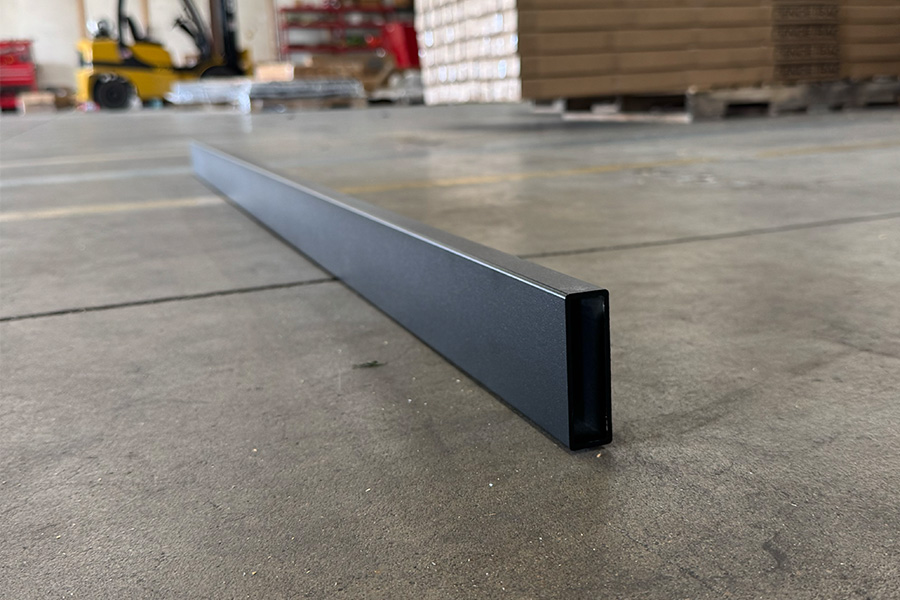
FenceTrac with LuxeCore composite infill was tested by QAI Laboratories in Miami under ASTM E330/E330M-14 (Structural Performance by Uniform Static Air Pressure Difference). The test panel was a 6-foot by 6-foot FenceTrac privacy fence with 3-inch by 3-inch steel posts set in 4,000-psi concrete.
| Test | Pressure | Result |
|---|---|---|
| Design Load, Positive | 55.0 psf | Passed (4.250″ deflection, 0.178″ permanent set) |
| Design Load, Negative | 55.0 psf | Passed (4.250″ deflection, 0.250″ permanent set) |
| Structural Load, Positive | 82.5 psf | Passed (6.500″ deflection, 0.281″ permanent set) |
| Structural Load, Negative | 82.5 psf | Passed (7.000″ deflection, 0.375″ permanent set) |
The 82.5 psf structural load is 1.5 times the design load, per ASTM protocol. It represents the ultimate load the system must survive without failure. The system passed in both positive (pushing) and negative (suction/uplift) directions, which is critical because negative pressure during a storm is what pulls fence panels apart and rips posts from footings.
The same test sequence also included Large Missile Impact Level D testing under ASTM E1886, confirming that the system resists both sustained wind pressure and flying debris.
When Stamped Engineering Is Required
Not every commercial fence project requires a stamped engineering drawing, but the situations where it is required are common enough that commercial buyers and architects should plan for it.
Projects in high-wind zones (basic wind speed above 115 mph) almost always require engineering. Fences taller than 6 feet trigger engineering requirements in many jurisdictions. Fences adjacent to occupied buildings, near public walkways, or within code-mandated setback zones frequently require engineering review. Any project where the building department requests a structural calculation requires a stamped drawing from a licensed engineer.
FenceTrac provides stamped engineering drawings prepared for the project’s specific wind speed, exposure category, and soil conditions. The engineering documentation specifies post size, post depth, hole diameter, concrete strength, and fastener schedule for the site. This package is what the building department and plan reviewer need to approve the fence installation.

Designing for Wind Load Without Over-Engineering
The goal of wind load design is to match the fence specification to the actual site conditions, not to default to the heaviest possible configuration everywhere.
In Exposure B locations with basic wind speeds under 110 mph, standard FenceTrac residential posts (2.5-inch) with recommended footing depths typically meet the calculated design pressure for 6-foot fences. In Exposure C or D locations, or for 8-foot fences in any exposure, 3-inch commercial posts with deeper footings and wider hole diameters are the standard recommendation.
FenceTrac’s post spacing options (6-foot or 8-foot panels) also affect wind load performance. Shorter panel spans reduce the tributary area per post, which lowers the load each post must carry. In high-wind applications, 6-foot panel widths with 3-inch posts provide the highest wind resistance per linear foot.
Related Questions
Can FenceTrac be engineered for wind load? Yes. FenceTrac offers site-specific engineering for commercial and residential projects that require wind load compliance. The engineering package is prepared by a licensed professional engineer.
How much wind force does a 6-foot fence experience? Wind force on a 6-foot fence depends on wind speed, exposure, and solidity. At 100 mph in Exposure C, a solid 6-foot fence can experience 25 to 35 psf of lateral pressure per linear foot of fence height.
How do you specify a modular fence system in architectural plans? FenceTrac falls under CSI Section 32 31 00. The specification should cover frame material, infill type, post dimensions, finish, and applicable test standards including ASTM E330 for wind load.
See Also
What fence engineering standards apply to high-wind zones? for a deeper look at ASCE 7, IBC, and Florida Building Code requirements. View FenceTrac specifications for downloadable product data and engineering support resources.
Get a Quote for Your Commercial Fence Project
FenceTrac ships fence systems nationally and has been manufacturing engineered fencing in the USA since 2012.
Every system carries a 20-year warranty and is engineered for long-term performance with minimal maintenance.