
FenceTrac fire-rated fencing is available in 4-foot, 6-foot, and 8-foot heights, covering the full range of fire-rated fence height requirements found in US building codes. There is no single national standard for fire-rated fence height. The required height depends on the application, the local building code, and whether the fence serves as a fire separation barrier, a visual screen for code compliance, or both.
The Short Answer
Fire-rated fence height is determined by local code and the specific use case, not by a universal standard. Most applications fall between 6 and 8 feet. Dumpster enclosures typically require the fence to fully screen the container from view, which means 6 feet for standard dumpsters and 8 feet for large commercial dumpsters. Fire separation barriers near structures may have height requirements tied to the height of the adjacent wall or opening being protected.

Height Requirements by Application
The height your fire-rated fence needs depends on what the fence is protecting and what code provision applies. Here are the most common applications and their typical height requirements.
Dumpster Enclosures
Most dumpster enclosure codes require the fence to fully screen the dumpster from public view. This is both a fire code and an aesthetic/zoning requirement. A standard 2-yard or 4-yard dumpster fits behind a 6-foot enclosure. Larger 6-yard and 8-yard commercial dumpsters require an 8-foot enclosure for full screening.

Utility and Electrical Equipment Screening
Transformer and utility equipment fencing heights are driven by two factors: full visual screening of the equipment and compliance with utility provider specifications. Most pad-mounted transformers and switchgear are screened adequately at 6 feet. Larger equipment installations may require 8 feet. The utility provider’s field representative typically specifies the minimum height during the design review.
Fire Separation Barriers Near Structures
When a fire-rated fence serves as a fire separation barrier between a combustible structure and an adjacent hazard (such as a propane storage area, fuel dispensing equipment, or outdoor storage of flammable materials), the height requirement is typically tied to the height of the hazard or the adjacent building wall.
IBC and IFC provisions for fire separation barriers often require the barrier to extend above the height of the protected opening or hazard. In practice, this usually means 6-foot or 8-foot fencing. The local fire marshal or AHJ determines the exact requirement for each installation.
Wildland-Urban Interface (WUI) Zones
WUI fencing codes restrict combustible materials near structures but generally do not impose height requirements specific to fire-rated fencing. The fence height in WUI zones is governed by the same residential or commercial fence height codes that apply outside WUI zones. In most residential areas, that means a maximum of 6 feet for side and rear yards and 4 feet for front yards, unless a variance is obtained.

Fire-Rated Fence Height Options from FenceTrac
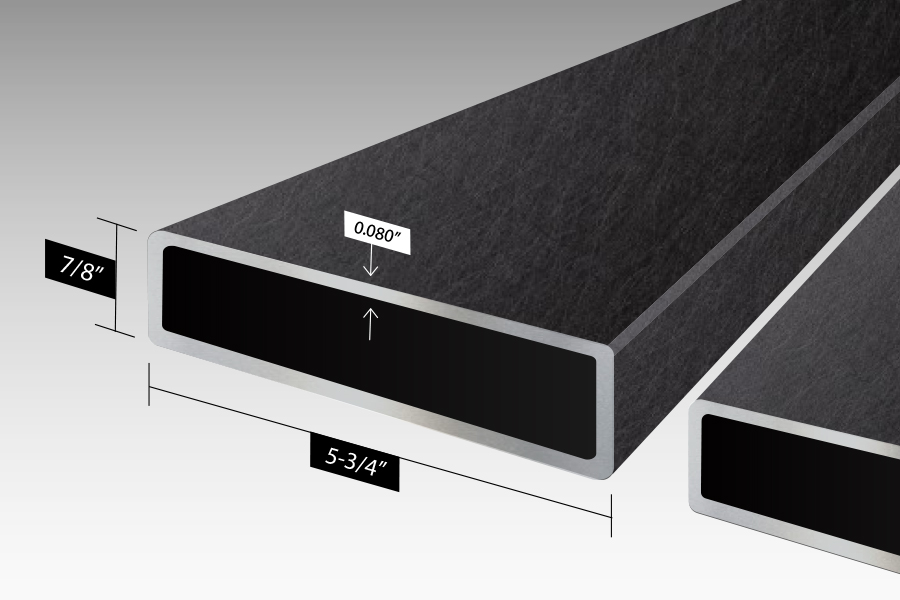
FenceTrac’s fire-rated system uses the same modular frame available across the entire product line. The frame, posts, and aluminum infill are available in three standard heights.
| Height | Common Fire-Rated Applications |
|---|---|
| 4 feet | Low-profile equipment screening, pool-area fire separation, retaining wall toppers |
| 6 feet | Standard dumpster enclosures, transformer screening, residential WUI replacement fencing |
| 8 feet | Large commercial dumpster enclosures, full fire separation barriers, industrial perimeter screening |
All three heights use the same G90 galvanized steel frame and 6063-T5 aluminum infill. The ASTM E84-24 Class A fire rating applies regardless of height, because the rating is based on the material composition, not the panel dimensions.
Design Factors Beyond Height
Height is one variable. A few other factors affect how a fire-rated fence performs in a specific installation.
Gap Between Fence and Ground
Some codes require the fire-rated barrier to extend to grade level with no gap, preventing fire from passing underneath. Others allow a small clearance gap for drainage. Verify the ground-clearance requirement with the local AHJ before installation.
Gate Height Matching
Fire-rated enclosures need gates that match the fence height. FenceTrac gate kits are available in 4-foot, 6-foot, and 8-foot heights. The gate accepts the same aluminum infill as the fence, maintaining the fire-rated material composition through the entire enclosure perimeter, including the access point.
Post Sizing for Taller Fencing
Taller fire-rated fencing, particularly 8-foot installations, generates more wind load and structural stress. FenceTrac’s commercial posts (3-inch by 3-inch galvanized steel) are recommended for 8-foot fire-rated installations. For projects requiring stamped engineering documentation, FenceTrac provides engineering drawings upon request.

Related Questions
Do I need a fire-rated fence around a dumpster enclosure? In most jurisdictions, yes, if the enclosure is within 5 to 10 feet of an occupied structure. The enclosure must fully screen the dumpster, which determines the required height.
What is fire-rated fencing and when is it required? Fire-rated fencing is required in fire separation applications, near utility equipment, in WUI zones, and wherever local codes mandate non-combustible barriers.
How tall can a privacy fence be? Privacy fence height limits vary by jurisdiction and zone (front yard vs. side/rear yard). Fire-rated applications may have separate height requirements that differ from standard residential limits.
See Also
Can a fire-rated fence also be a privacy fence? for details on how FenceTrac’s fire-rated system doubles as a full privacy fence. Advantages of modular fence systems for commercial properties for an overview of FenceTrac in commercial applications.
Get a Quote for Your Fire-Rated Fencing Project
FenceTrac ships fence systems nationally and has been supplying contractors, property owners, and commercial buyers since 2012.
Every system carries a 20-year warranty and is engineered for long-term performance with minimal maintenance.