
FenceTrac fire-rated fencing meets the material performance standard referenced in wildland-urban interface (WUI) building codes, with a Flame Spread Index of 0 under ASTM E84-24 testing by QAI Laboratories. WUI fencing is any fencing constructed with non-combustible or ignition-resistant materials in zones where developed properties border wildfire-prone vegetation. As WUI codes expand across western and southern states, the demand for fencing that meets these standards is growing.
The Short Answer
WUI zones are areas where homes and commercial buildings sit near undeveloped land with wildfire risk. Building codes in these zones restrict combustible materials within a specified distance of structures. Fencing falls under these restrictions. WUI codes typically require fencing within 5 to 10 feet of a structure to be non-combustible or carry an ASTM E84 rating with a Flame Spread Index of 25 or less.

What Is a Wildland-Urban Interface Zone
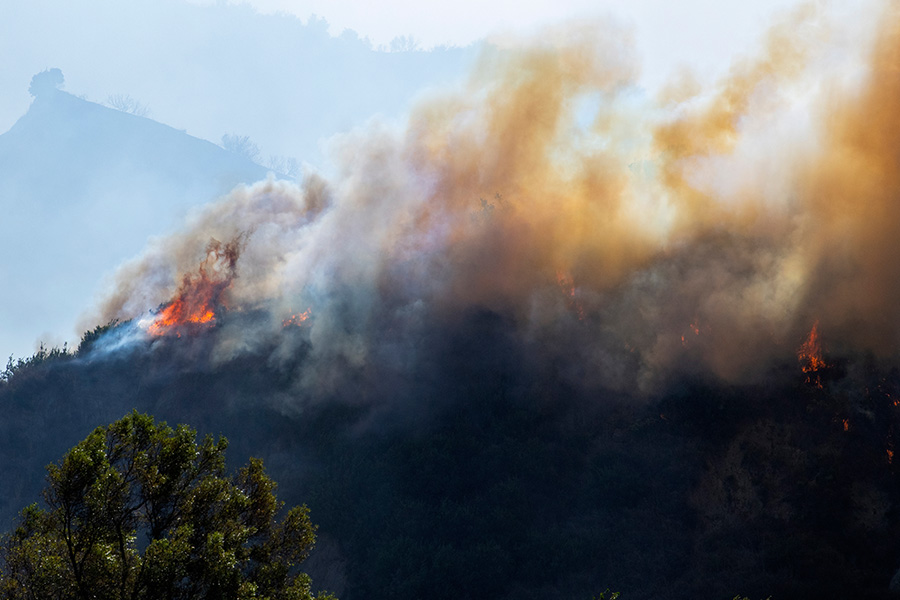
A wildland-urban interface is the geographic boundary where developed land, buildings, roads, and landscaping meets undeveloped wildland vegetation. Wildfires that start in wildland areas can spread rapidly into WUI zones, where fences, decks, siding, and other combustible materials act as fuel bridges that carry fire directly to structures.
The International Wildland-Urban Interface Code (IWUIC), published by the International Code Council, provides the model code framework. Individual states, counties, and cities adopt and enforce their own versions based on local wildfire risk.
WUI zones are most commonly designated in California, Colorado, Oregon, Washington, Arizona, Texas, Montana, Idaho, and other states with significant wildfire exposure. But WUI code adoption is expanding as wildfire seasons grow longer and more destructive.
What WUI Codes Require for Fencing
WUI fencing requirements vary by jurisdiction, but the core principle is consistent: combustible materials near structures must be replaced with non-combustible or ignition-resistant alternatives.

Distance Triggers
Most WUI codes define a distance threshold from occupied structures. Fencing within that threshold must meet fire performance standards. Common thresholds include 5 feet (California CBC Chapter 7A), 8 feet (Boulder, Colorado), and 10 feet (Austin, Texas).
Some jurisdictions apply the requirement to all fencing on the property, not just fencing near structures. Others apply it only within defined defensible space zones. The property owner or contractor must verify the specific trigger distance with the local authority having jurisdiction (AHJ).
Material Standards
WUI codes reference two primary material qualifications for fencing.
Non-combustible: Materials that do not ignite, burn, or release flammable vapors when exposed to fire. Metals like aluminum and steel qualify. Wood, vinyl, and standard composite materials do not.
Ignition-resistant (ASTM E84): Materials that score a Flame Spread Index of 25 or less under ASTM E84 testing over a 30-minute test period, with the flame front not progressing more than 10.5 feet beyond the burner centerline. This is the ASTM E84 Class A threshold.
Fire-retardant coatings, paints, and stains applied to wood fencing do not satisfy WUI code requirements. These treatments are not permanent, degrade with UV and moisture exposure, and are explicitly excluded by most WUI codes.

How FenceTrac Fire-Rated Fencing Meets WUI Standards
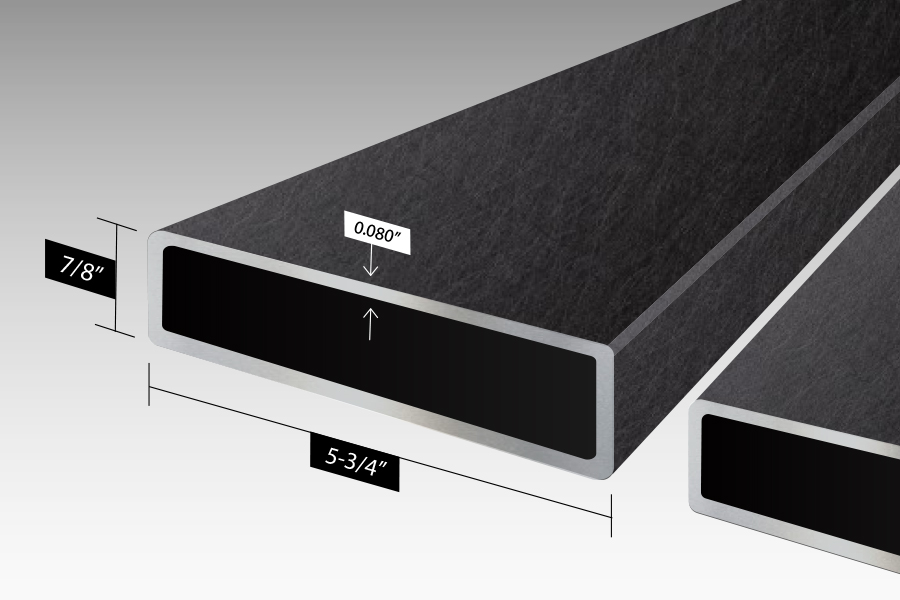
FenceTrac’s fire-rated fencing system is built entirely from non-combustible metals. The frame is galvanized G90 steel. The infill is 6063-T5 aluminum. Neither material ignites, burns, or propagates flame.
The system was tested to ASTM E84-24 by QAI Laboratories and scored a Flame Spread Index of 0 and a Smoke Developed Index of 35. Both values are far below the Class A limits of 25 and 450 respectively.
This means the FenceTrac fire-rated system satisfies WUI material requirements on two levels: it qualifies as non-combustible (metal construction), and it carries a documented ASTM E84 Class A rating. For jurisdictions that reference either standard, the system meets the threshold.
The full QAI test report is available at FenceTrac ASTM E84 Class A Test Results (PDF).
WUI Fencing Ideas by Property Type
WUI codes affect a range of property types. The fencing requirements apply to residential, commercial, and institutional properties in designated zones.
Residential Properties in WUI Zones
Homeowners in WUI areas face restrictions on wood fencing near the house. FenceTrac fire-rated fencing replaces a combustible wood fence with a full privacy fence that meets code. The aluminum infill is available in Black, Bronze, White, and Silver, matching the design preferences of most residential projects.
Schools and Healthcare Facilities
Schools and medical facilities in WUI zones are subject to stricter fire codes due to occupant vulnerability. FenceTrac’s Class A rated system provides a documented, verifiable fire barrier for perimeter fencing, playground enclosures, and building-adjacent screening.
Commercial Properties
Commercial properties in WUI zones need fencing that satisfies fire codes and presents a professional appearance. FenceTrac’s enclosure system uses the same fire-rated frame and infill for dumpster enclosures, HVAC screening, and utility areas near structures where WUI codes apply.
How to Verify Your WUI Zone Status
WUI zone designations are established by local fire departments, county planning offices, or state forestry agencies. Most jurisdictions publish WUI maps that show which parcels fall inside designated zones.
Start with your local building department or fire marshal’s office. California maintains a statewide Fire Hazard Severity Zone map through CAL FIRE. Colorado, Oregon, and Washington publish similar maps at the county level. Your local AHJ can confirm whether your property is in a WUI zone and which specific fencing restrictions apply.
Related Questions
What does ASTM E84 Class A mean for fencing? ASTM E84 Class A means the material scored a Flame Spread Index of 0 to 25 in laboratory testing. FenceTrac’s fire-rated fencing scored a 0, the lowest possible result.
What is the difference between fire-rated and fire-resistant fencing? Fire-rated means tested and classified to a recognized standard. Fire-resistant is a general term with no standardized meaning. WUI codes require fire-rated or non-combustible materials, not “fire-resistant” products.
What building codes require fire-rated fencing? IBC Chapter 8, NFPA 101, the IWUIC, and California CBC Chapter 7A all reference ASTM E84 or non-combustible material requirements for fencing in fire-sensitive applications.
See Also
What is fire-rated fencing and when is it required? for a broader overview of fire-rated fencing applications beyond WUI zones. Best fence systems for coastal environments for information on FenceTrac’s performance in other extreme-weather applications.
Get a Quote for Your WUI Fencing Project
FenceTrac ships fence systems nationally and has been supplying contractors, property owners, and commercial buyers since 2012.
Every system carries a 20-year warranty and is engineered for long-term performance with minimal maintenance.