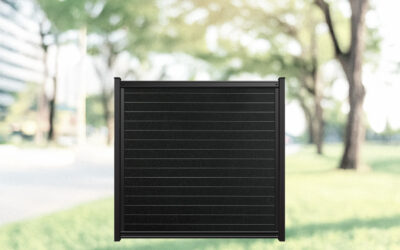
FenceTrac's modular fence system is classified under CSI Section 32 31 00 (Fences and Gates) in the MasterFormat specification framework. Specifying it in architectural plans requires a structured product section that defines the frame material, infill type, post...
Fence Guide for Architects
What Are the Wind Load Requirements for Commercial Fencing?
FenceTrac fence systems with LuxeCore aluminum-core composite infill have been tested to a 55.0 psf design wind load and 82.5 psf structural load under ASTM E330 at QAI Laboratories in Miami. Commercial fencing wind load requirements vary by jurisdiction, but most...
What Is Wildland-Urban Interface (WUI) Fencing?
FenceTrac fire-rated fencing meets the material performance standard referenced in wildland-urban interface (WUI) building codes, with a Flame Spread Index of 0 under ASTM E84-24 testing by QAI Laboratories. WUI fencing is any fencing constructed with non-combustible...
What Does ASTM E84 Class A Mean for Fencing?
FenceTrac fire-rated fencing carries an ASTM E84-24 Class A fire rating, the highest classification under the ASTM E84 standard for surface burning characteristics. In testing by QAI Laboratories, the system scored a Flame Spread Index of 0 and a Smoke Developed Index...
What Is the Difference Between Fire-Rated and Fire-Resistant Fencing?
FenceTrac fire-rated fencing carries an ASTM E84-24 Class A rating with a Flame Spread Index of 0 and a Smoke Developed Index of 35, tested by QAI Laboratories. The difference between "fire-rated" and "fire-resistant" is the difference between a tested, documented...
Do I Need a Fire-Rated Fence Around a Dumpster Enclosure?
FenceTrac's enclosure system with aluminum infill carries an ASTM E84-24 Class A fire rating, making it one of the few dumpster enclosure options that meets fire code requirements without a secondary fire barrier. In many jurisdictions, building codes require...
What Type of Fence Is Required Near Electrical Transformers or Utility Equipment?
FenceTrac fire-rated fencing is built entirely from non-combustible materials, galvanized G90 steel frame and 6063-T5 aluminum infill, and carries an ASTM E84-24 Class A fire rating with a Flame Spread Index of 0. Fencing near electrical transformers, switchgear,...
How Tall Does a Fire-Rated Fence Need to Be?
FenceTrac fire-rated fencing is available in 4-foot, 6-foot, and 8-foot heights, covering the full range of fire-rated fence height requirements found in US building codes. There is no single national standard for fire-rated fence height. The required height depends...
What Fence Engineering Standards Apply to High-Wind Zones?
Fencing a property in a high-wind zone involves navigating a set of engineering standards and building codes that most fence buyers and many contractors have not worked with before. Understanding which standards apply to your project, and what each one actually...
Can FenceTrac Fence Systems Be Engineered for Wind Load Requirements?
FenceTrac fence systems can be engineered for wind load requirements. The system has been tested to third-party structural standards and can be specified with site-specific engineering documentation when local code or a project engineer requires it. This puts...
What Is Horizontal Fencing and Why Is It Popular?
Horizontal fencing is exactly what the name describes. The boards or slats run parallel to the ground instead of standing upright like a traditional picket or stockade fence. The look is clean, modern, and linear. It draws the eye along the length of the fence line...