
FenceTrac manufactures modular fence panels in both 6-foot and 8-foot widths, with galvanized steel frames and posts engineered for wind load performance. In high-wind areas, 6-foot post spacing reduces the wind load per panel and per post, which directly improves the structural performance of the fence line.
The Short Answer
Wind pressure acts on the surface area of each fence panel. A 6-foot-wide panel has 25% less surface area than an 8-foot panel at the same height. That means each post bears less total force, and the frame flexes less under load.
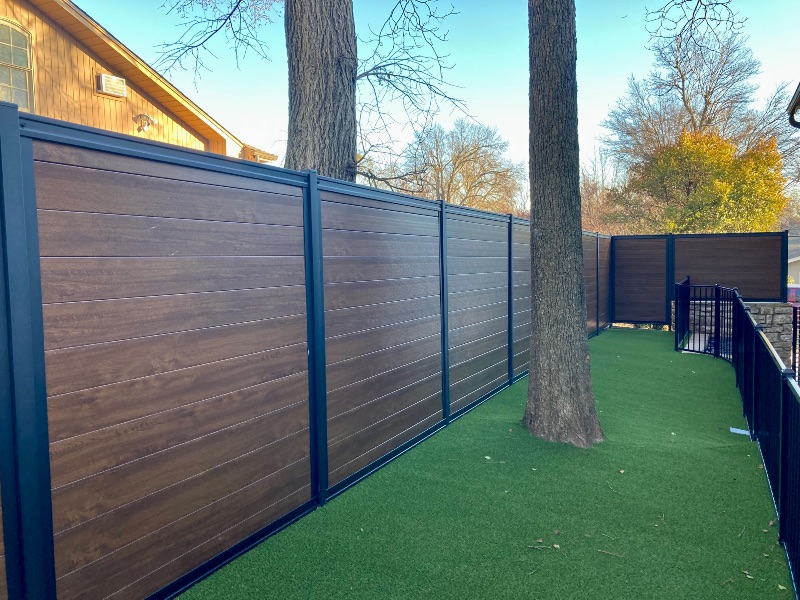
In areas with sustained high winds, hurricane exposure, or open terrain with no windbreaks, that 25% reduction compounds across every panel in the fence line. The result is a fence that holds its position and structural integrity through conditions that would damage or flatten a wider-spaced installation.
How Wind Load Works on a Fence
Wind exerts pressure measured in pounds per square foot (psf). The total force on a fence panel equals the wind pressure multiplied by the panel’s surface area.
A 6-foot-tall by 8-foot-wide privacy panel has 48 square feet of surface area. At 55 psf wind pressure, that panel absorbs 2,640 pounds of lateral force. The posts on either side of that panel must resist that load through their connection to the ground.
The same 6-foot-tall panel at 6-foot width has 36 square feet of surface area. At the same 55 psf, the force drops to 1,980 pounds. That is a 660-pound reduction per panel, transferred directly to the posts and footings.
What Changes with Narrower Spacing
Several things improve when you move from 8-foot to 6-foot post spacing in high-wind areas.
Lower Load Per Post
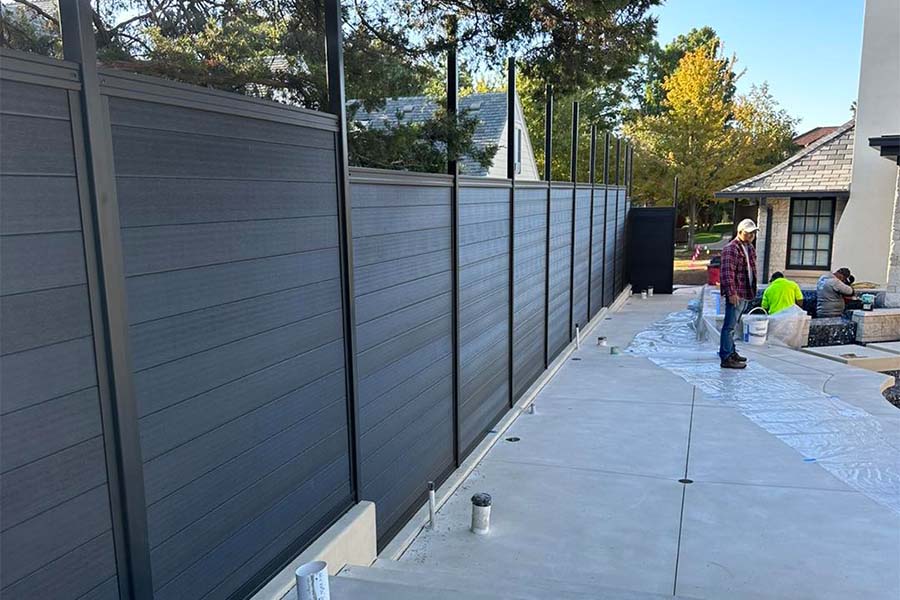
Each post supports the load from the panels on either side. With 6-foot panels, each interior post handles less total lateral force than it would with 8-foot panels. This keeps the post within its structural capacity at higher wind speeds.
Less Panel Deflection
A shorter span between posts means less room for the panel to flex. FenceTrac’s steel frame channels are rigid, but every material has a deflection point under load. Shorter spans keep deflection within acceptable limits at higher pressures.
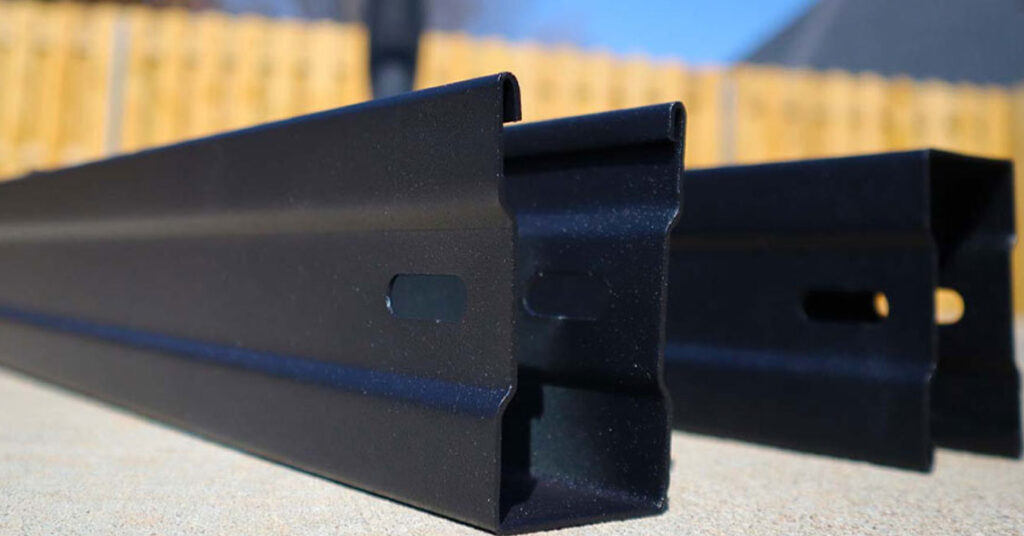
FenceTrac tested its LuxeCore system to 55.0 psf design wind load and 82.5 psf structural load under ASTM E330 at QAI Laboratories, using 6-foot-wide panels with 3-inch by 3-inch steel posts. The system passed all six load tests with no damage to the sample or fasteners.
Smaller Footing Demand
Lower per-post loads may allow standard footing sizes to meet code in locations where 8-foot spacing would require oversized footings. Footing depth and diameter are always determined by the project’s Engineer of Record based on local soil conditions and wind exposure, but narrower spacing gives the engineer more room to work within standard specifications.
When 8-Foot Spacing Still Works
Not every project needs 6-foot spacing. In areas with low wind exposure, 8-foot panels are a practical choice. They cover more ground with fewer posts, which reduces material and labor costs.
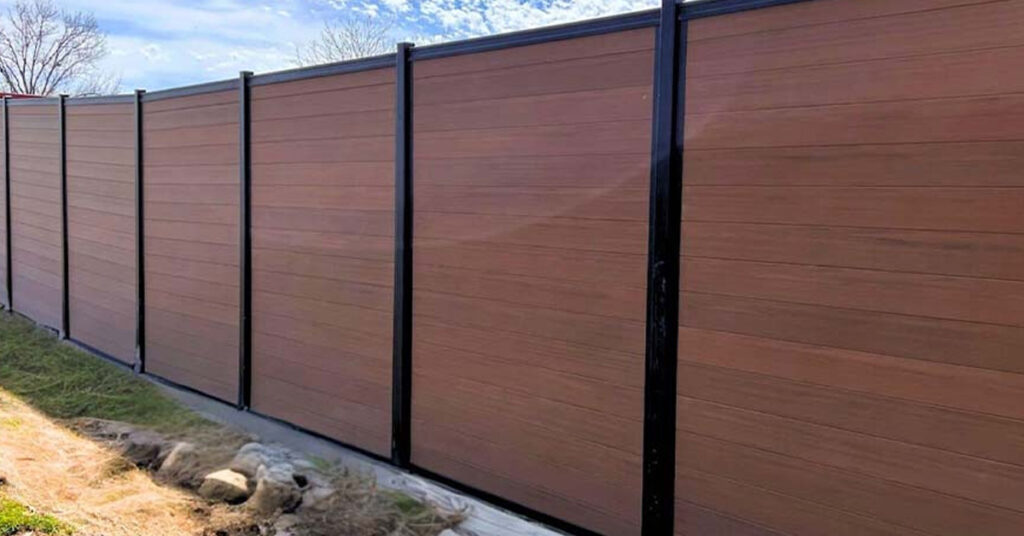
FenceTrac’s 8-foot panels use the same G90 galvanized steel frame and the same post-to-frame fastening system as the 6-foot version. For residential backyards in moderate wind zones with tree cover or adjacent structures that block prevailing winds, 8-foot spacing performs well.
The decision between 6-foot and 8-foot spacing should be based on the site’s wind exposure, local building code requirements, and, for taller fences, the project engineer’s load calculations.
Design Considerations for High-Wind Fence Installations
Post spacing is one variable in a wind-resistant fence design. Post size, post embedment depth, footing diameter, and infill material all factor in.
FenceTrac’s standard residential post is 2.5 inches by 2.5 inches square. For high-wind installations, 3-inch or 4-inch posts increase the post’s moment of inertia, which is its resistance to bending under lateral load. The QAI wind load test used 3-inch by 3-inch posts with 4.5-foot embedment into 4,000-psi concrete in 6-inch-diameter footings.
For full engineering specifications and post sizing recommendations, visit the FenceTrac specifications page.
Related Questions
What wind load has FenceTrac been tested to? FenceTrac’s LuxeCore system passed 55.0 psf design load and 82.5 psf structural load under ASTM E330, plus Large Missile Impact Level D under ASTM E1886, all tested by QAI Laboratories.
Can FenceTrac be engineered for specific wind zones? Yes. FenceTrac provides engineering support for projects that require stamped drawings or site-specific wind load calculations. An engineering fee applies.
Does post spacing affect fence cost? Yes. 6-foot spacing requires more posts and footings per linear foot than 8-foot spacing. The cost increase is offset by the structural benefit in high-wind areas where wider spacing could lead to damage and replacement costs.
See Also
FenceTrac privacy fencing for full product details, panel sizes, and post options.
Get a Quote for a Wind-Rated Fence
FenceTrac has been manufacturing engineered fence systems in the USA since 2012.
Every system carries a 20-year warranty and is engineered for long-term performance with minimal maintenance.