
FenceTrac was the original patented U-channel steel frame fence system, built around a 3-inch deep galvanized G90 steel top and bottom channel and a 2-inch deep side channel that accepts infill boards up to 1 inch thick. Since FenceTrac established the channel-frame category, a number of look-alike products have entered the market at lower price points, but the structural differences between the original and the imitations are significant and directly affect how long the fence lasts and how well it performs under real-world conditions.
The Short Answer
Cheaper channel fence systems cut costs by using thinner channels, lighter-gauge metals, aluminum instead of steel for the frame, and shallower channel depths that limit infill capacity. These trade-offs produce a fence that looks similar to FenceTrac at the point of sale but performs very differently over 5, 10, and 20 years. FenceTrac’s 3-inch galvanized G90 steel channels and 1-inch infill capacity are engineered for structural performance, not just appearance.

What Makes FenceTrac the Original
FenceTrac invented the U-channel frame concept for privacy fencing and holds the patent on the system. The design was engineered from the start as a structural fence system, not a decorative product. Every dimension, material grade, and connection method was chosen to create a fence that could withstand wind loads, impact, and decades of outdoor exposure.
The company has been manufacturing in the USA since 2012 and has refined the system through thousands of commercial and residential installations. The ASTM E330 wind load testing (55.0 psf design load, 82.5 psf structural load) and ASTM E1886 missile impact testing were conducted on the actual FenceTrac system at QAI Laboratories. No imitation channel fence system has published comparable third-party structural test data.
Where Cheaper Systems Cut Corners
The price gap between FenceTrac and imitation channel fences comes from specific material and engineering differences. Understanding where the cuts are made helps you evaluate what you are actually buying.
Channel Depth and Material
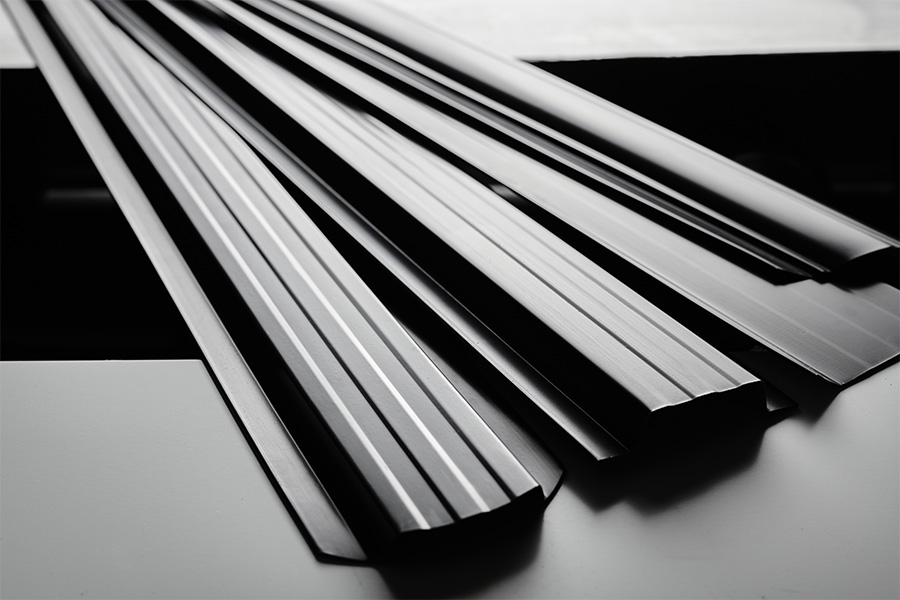
FenceTrac’s top and bottom channels are 3 inches deep, made from galvanized G90 steel. The side channels are 2 inches deep, also G90 steel. This depth is what creates the structural grip on the infill boards and gives the frame its rigidity.
Many imitation systems use channels that are only 1-1/4 to 1-1/2 inches deep. Some are made from aluminum instead of steel. A shallower channel grips less of the infill board edge, which means the board has more room to shift, rattle, and eventually work itself loose under wind pressure or physical impact. An aluminum channel in the same depth is also less rigid than steel, so the frame flexes more under load.
The difference may not be visible in a product photo, but it is immediately apparent when you hold the two frames side by side. The FenceTrac channel feels like a structural component. A 1-1/4-inch aluminum channel feels like trim.
Infill Capacity
FenceTrac’s channels accept infill boards up to 1 inch thick. This accommodates LuxeCore composite boards (1 inch), UltraBlend PVC boards (1 inch), aluminum tongue and groove boards (1 inch), and a wide range of compatible third-party rigid infill materials.
Cheaper systems typically accept only 1/2-inch to 3/4-inch infill. Thinner infill boards are lighter, less rigid, and more prone to flexing under wind load. They also offer less impact resistance. A 1-inch LuxeCore board with a structural aluminum core is a fundamentally different product than a 1/2-inch decorative panel, and the channel system that holds it needs to be engineered accordingly.

Frame Material: Steel vs. Aluminum
FenceTrac’s frame is galvanized G90 steel, then powder-coated. Steel is stronger, stiffer, and heavier than aluminum at the same dimensions. The G90 galvanization provides 0.90 ounces of zinc per square foot, which is the heaviest standard galvanization grade and delivers long-term corrosion resistance even in harsh environments.
Imitation systems that use aluminum frames save on material cost and shipping weight, but aluminum is roughly one-third the stiffness of steel. An aluminum channel frame flexes more under wind load, absorbs less impact energy, and provides less clamping force on the infill boards. For a decorative garden border, aluminum may be adequate. For a structural privacy fence expected to last 20 years, steel is the correct material.

Manufacturing Origin and Quality Control
FenceTrac is manufactured in the USA with domestic quality control. Many imitation channel fence systems are imported products manufactured overseas to lower cost specifications. Import products often show inconsistencies in powder coat thickness, channel straightness, and fastener hole alignment that become apparent during installation.
Contractors who have installed both report that imported products require more on-site shimming and adjustment to achieve a straight fence line. That extra labor eats into the cost savings the cheaper product was supposed to deliver.

Structural Performance Comparison
The structural gap between FenceTrac and imitation systems is not a matter of opinion. It is measurable.
| Specification | FenceTrac | Typical Imitation |
|---|---|---|
| Top/bottom channel depth | 3″ | 1-1/4″ to 1-1/2″ |
| Side channel depth | 2″ | 1″ to 1-1/4″ |
| Frame material | Galvanized G90 steel | Aluminum or light-gauge steel |
| Max infill thickness | 1″ | 1/2″ to 3/4″ |
| Posts | G90 galvanized steel, powder-coated | Aluminum or thinner steel |
| Powder coat | Full system, USA applied | Varies, often thinner coat |
| Wind load tested (ASTM E330) | 55.0 psf design / 82.5 psf structural | No published test data |
| Missile impact tested (ASTM E1886) | Level D, no damage | No published test data |
| Frame warranty | 20 years | Varies, often 5-10 years |
The Real Cost of a Cheaper System
A lower purchase price does not mean a lower total cost. Imitation channel fence systems fail in ways that create real expenses after installation.
Thin infill boards flex and bow in the channel, creating a wavy fence line that looks worse each year. Aluminum frames allow panels to rack and shift, loosening fasteners over time. Shallow channels let boards pop out during high winds, turning the fence into a maintenance project instead of a permanent installation.
When a cheaper system fails at year 5 or year 8, the property owner faces the cost of removal and replacement. That total spend almost always exceeds what a FenceTrac system would have cost from the start. This is the same long-term cost dynamic that makes engineered systems less expensive than cheap alternatives over the life of the fence.
Design Ideas for Buyers Comparing Systems
If you are evaluating channel-frame fence systems, ask for the specific channel depth, material grade, and maximum infill thickness before comparing prices. Request the manufacturer’s warranty terms in writing. Ask whether the system has been tested to any ASTM structural standard and whether the test report is available.
A system that cannot answer these questions with specific numbers is selling on appearance, not engineering. FenceTrac publishes its full specifications and wind load test data because the numbers support the product.
For buyers who want the strongest possible privacy fence, the channel depth, frame material, and infill thickness are the three numbers that matter most. FenceTrac leads in all three.
Related Questions
Is it better to build from scratch or buy a fence kit? A modular kit system is only as good as the engineering behind it. FenceTrac’s pre-cut steel frame kits deliver professional results. Cheap imported kits often create more problems than they solve.
How long does a composite fence last? The lifespan of a composite fence depends on both the infill quality and the frame that holds it. A premium composite board in a weak frame will not reach its full potential.
See Also
FenceTrac privacy fencing for complete system specifications, and architect specifications for detailed engineering documentation.
Get a Quote for the Original Channel Frame System
FenceTrac ships fence systems nationally and has been manufacturing engineered fencing in the USA since 2012.
Every system carries a 20-year warranty and is engineered for long-term performance with minimal maintenance.