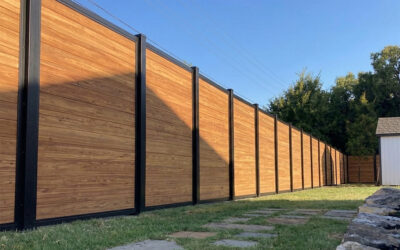
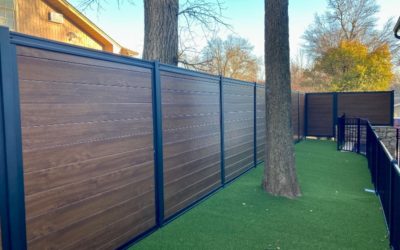
FenceTrac's fire-rated fencing uses 6063-T5 aluminum infill boards in a galvanized steel frame, achieving a Class A rating under ASTM E84-24 with a Flame Spread Index of 0 and a Smoke Developed Index of 35, both tested by QAI Laboratories. Not all fence materials...
Fence Guide for Fence Contractors
What Is Fire-Rated Fencing and When Is It Required?
FenceTrac's fire-rated fencing carries an ASTM E84-24 Class A rating, tested by QAI Laboratories with a Flame Spread Index of 0 and a Smoke Developed Index of 35. Fire-rated fencing is required by building codes in specific situations where a fence is close to an...
What Is the Best Material for a Commercial Equipment Enclosure?
FenceTrac's enclosure system uses a galvanized G90 steel frame with interchangeable infill options, making it the most versatile material choice for commercial equipment screening. The steel frame carries a 20-year warranty and accepts LuxeCore composite, UltraBlend...
Can You Install FenceTrac on a Slope?
FenceTrac's modular fence system is engineered to handle sloped terrain. The panels are rackable up to 30 degrees, which means they can follow the natural grade of the land without stepping. The side channels pivot to match the slope while the horizontal rails stay...
What Are Rackable Fence Panels?
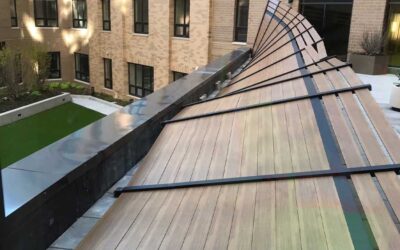
FenceTrac's modular fence system produces rackable fence panels that pivot to follow sloped ground instead of staying level. A rackable panel adjusts its angle during installation so the top and bottom rails run parallel to the grade. FenceTrac panels are rackable up...
How Deep Should Fence Posts Be Set?
FenceTrac's galvanized G90 steel posts follow the same depth principles as any structural fence post: the bottom of the concrete must sit below the frost line, and the embedded length must be proportional to the fence height. For a standard 6-foot FenceTrac privacy...
How Do I Sell FenceTrac to a Homeowner Who Wants a Wood Fence?
FenceTrac gives contractors a direct upgrade path for every homeowner who walks in asking for a wood fence. The system pairs a galvanized steel frame with the buyer's choice of infill, including Western Red Cedar for customers who want real wood, and LuxeCore...
Why Is 6-Foot Fence Post Spacing Better Than 8-Foot in High-Wind Areas?
FenceTrac manufactures modular fence panels in both 6-foot and 8-foot widths, with galvanized steel frames and posts engineered for wind load performance. In high-wind areas, 6-foot post spacing reduces the wind load per panel and per post, which directly improves the...
What Is PVC Fencing and Is It Better Than Vinyl?
FenceTrac's UltraBlend PVC fencing is a 1-inch-thick, ASA-encased board designed for the FenceTrac steel frame system. It outperforms standard vinyl fencing on thickness, impact resistance, and UV stability because of its reinforced internal web structure and...
How Does Composite Fencing Compare to Wood?
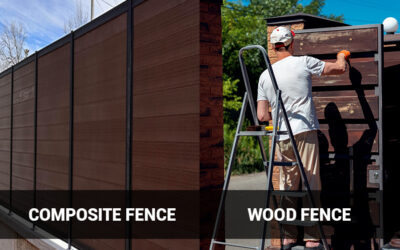
FenceTrac's LuxeCore composite infill is a structural board with an aluminum core, cellular PVC layer, and ASA resin exterior that requires zero maintenance over its 20-year warranty period. Wood fencing, by contrast, needs repainting or restaining every 2 to 3 years...
What Fence Engineering Standards Apply to High-Wind Zones?
Fencing a property in a high-wind zone involves navigating a set of engineering standards and building codes that most fence buyers and many contractors have not worked with before. Understanding which standards apply to your project, and what each one actually...
Can FenceTrac Fence Systems Be Engineered for Wind Load Requirements?
FenceTrac fence systems can be engineered for wind load requirements. The system has been tested to third-party structural standards and can be specified with site-specific engineering documentation when local code or a project engineer requires it. This puts...
Can Semi-Privacy Fencing Reduce Wind While Maintaining Airflow?
If you have ever sat behind a solid privacy fence and still felt strong gusts whipping over the top and around the corners, you have experienced one of the less obvious downsides of solid fencing. Semi-privacy fencing manages wind differently. In the right...
What Is the Difference Between Louvered and Spaced Picket Semi-Privacy Fencing?
Semi-privacy fencing screens a space without completely closing it off. The challenge is choosing the right style for how you want to manage sightlines, airflow, and appearance on your specific property. Louvered and spaced picket are the two most common traditional...
What Is the Difference Between a Privacy Fence and a Semi-Privacy Fence?
The difference between a privacy fence and a semi-privacy fence comes down to one thing: how much you can see through it. A privacy fence is a solid barrier. No gaps, no sightlines, no visibility from either side. A semi-privacy fence has intentional spacing between...
What Is Horizontal Fencing and Why Is It Popular?
Horizontal fencing is exactly what the name describes. The boards or slats run parallel to the ground instead of standing upright like a traditional picket or stockade fence. The look is clean, modern, and linear. It draws the eye along the length of the fence line...