
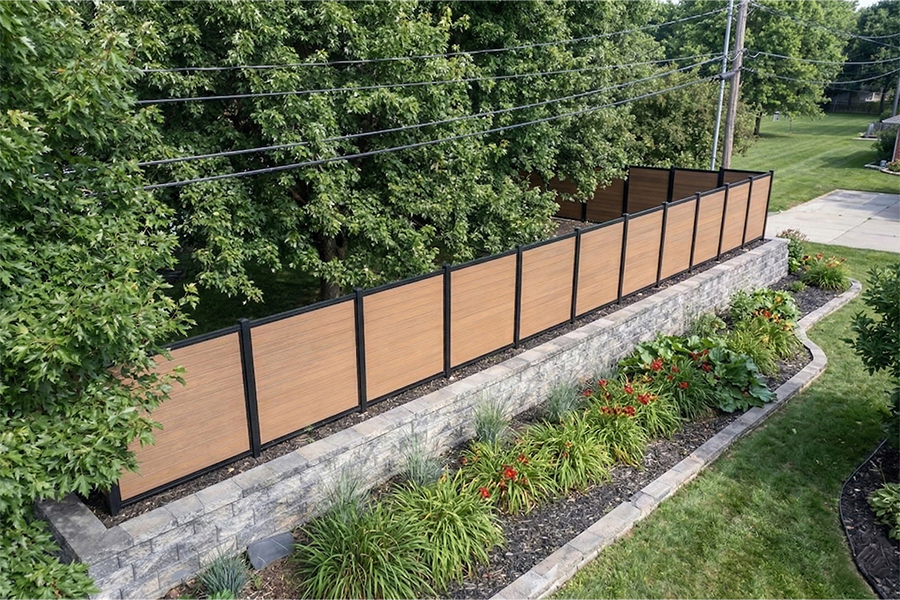
FenceTrac’s U-channel frame system produces a finished fence on both sides of every panel, making it a true good neighbor fence without any design workarounds or added cost. The term “good neighbor fence” refers to any fence that presents the same finished appearance to both the fence owner and the adjacent property owner, eliminating the common complaint that one side gets the “good side” while the other gets exposed rails, posts, and fasteners.
The Short Answer
A good neighbor fence is a fence that looks identical from both sides. Traditional wood fences show finished boards on one side and exposed horizontal rails and post faces on the other. A good neighbor fence solves this by using a construction method that hides the structural components from both directions. FenceTrac achieves this with a both-sided design where infill boards sit inside steel channels, producing the same clean face on the owner’s side and the neighbor’s side.
Why the “Good Side / Bad Side” Problem Exists
In a standard wood privacy fence, vertical pickets are nailed to horizontal rails. The rails attach to the posts. From one side, you see flat pickets. From the other side, you see the horizontal rails, the back of the pickets, and the full face of the posts.
The side with the rails exposed is called the “bad side” or the “ugly side.” It looks unfinished, and it faces the neighbor. This is a frequent source of disputes between property owners, especially in neighborhoods with HOA rules or where homes are close together.
Some municipalities and many HOAs require the “good side” to face outward (toward the neighbor or the street), which means the fence owner is the one looking at the unfinished side from their own backyard.

How FenceTrac Eliminates the Problem
FenceTrac’s frame system is structurally different from a traditional post-and-rail fence. Instead of nailing boards to one side of a rail, infill boards slide into U-shaped steel channels that frame the panel on all four sides: top, bottom, left, and right.
The channels face inward, gripping the edges of the infill. From either side of the fence, you see only the flat infill surface and the narrow powder-coated edge of the steel channel. No rails. No exposed post faces. No fastener heads on the panel surface.
This is not a bolt-on feature or an upgrade. It is how the system works. Every FenceTrac fence panel is a good neighbor fence by default.

Good Neighbor Fence Design Options
Because FenceTrac’s both-sided finish is built into the frame, you are free to choose any infill material without compromising the good neighbor aesthetic.
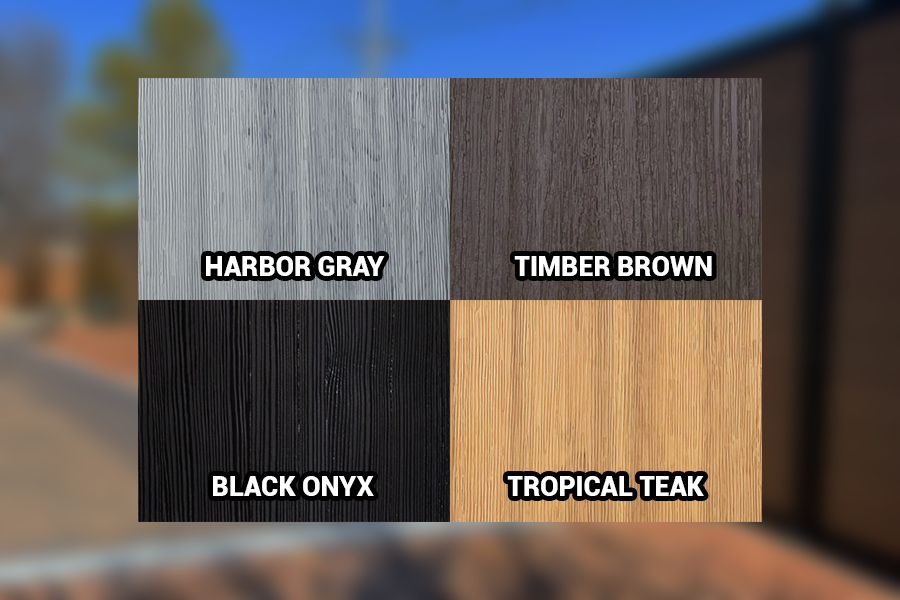
LuxeCore composite infill in Harbor Gray or Black Onyx delivers a textured wood-look surface that is identical on both sides. UltraBlend PVC infill offers the same symmetry at a lower price point. Both carry a Limited Lifetime Warranty and require zero maintenance.
For a modern fence design, aluminum slat boards with controlled spacing create a semi-privacy good neighbor fence where both sides show the same horizontal lines and gaps.
Even cedar infill in the FenceTrac frame produces a good neighbor result. The wood grain is visible from both sides, and the steel channels frame the panel symmetrically. Traditional wood fences cannot do this because the rails and fasteners always show on one side.
Good Neighbor Fences and HOA Requirements
Many HOAs specifically require fences that present a finished appearance on both sides. Some phrase it as “no exposed structural members visible from neighboring properties.” Others require the finished side to face outward.
FenceTrac satisfies both requirements because there is no unfinished side. The HOA architectural review process is simpler when the product inherently meets the both-sided requirement without needing a design exception or a more expensive construction method.
For subdivisions where multiple homeowners are building fences, FenceTrac’s consistent panel-to-panel uniformity means every fence on the street looks the same, which is a strong selling point for HOA boards and property managers.
Good Neighbor Fence Ideas for Shared Property Lines
When two neighbors share the cost of a fence, the good neighbor design becomes essential. Neither party wants to pay for a fence and then look at the back side of it.
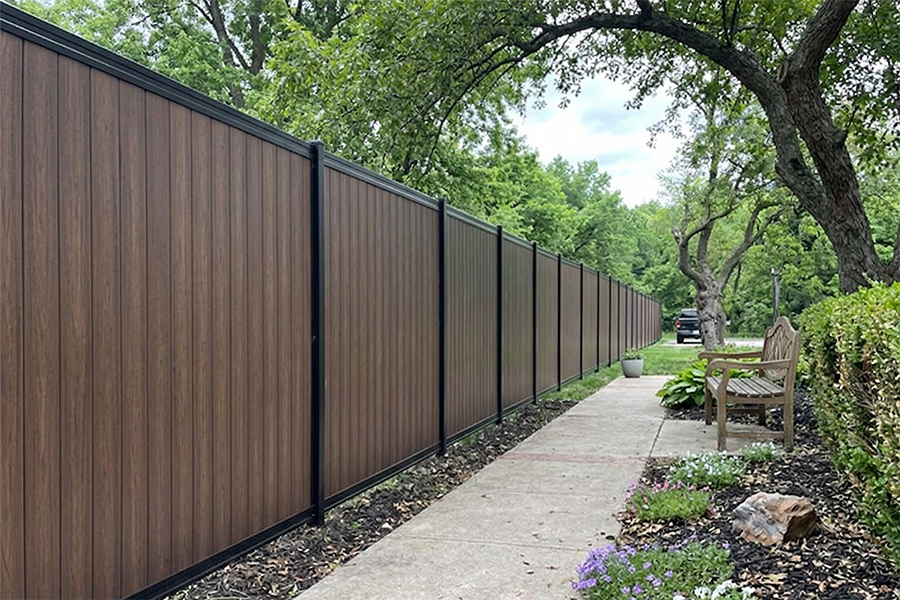
A 6-foot FenceTrac privacy fence with LuxeCore or UltraBlend infill is the most common shared-boundary configuration. Both homeowners get the same finished appearance, the same color, and the same maintenance-free performance. The galvanized steel frame carries a 20-year warranty that covers the fence regardless of which property owner installed it.
For front yards or areas where full privacy is not needed, a 4-foot semi-privacy fence with aluminum slats gives both sides the same open, modern look while defining the property line.
Related Questions
Is a good neighbor fence required by law? Not in most jurisdictions. But many HOAs require it, and some municipal codes require the finished side to face the street or adjacent property. Check your local rules and HOA covenants before building.
How do I build a fence that looks good on both sides? The construction method determines whether a fence can be finished on both sides. FenceTrac’s channel system is the most direct approach.
See Also
FenceTrac privacy fencing for complete product details, panel sizes, and color options.
Get a Quote for a Good Neighbor Fence
FenceTrac ships fence systems nationally and has been manufacturing engineered fencing in the USA since 2012.
Every system carries a 20-year warranty and is engineered for long-term performance with minimal maintenance.