
Choosing the right fence materials is crucial for handling harsh weather conditions like wind, rain, and heat.
Here’s the deal: Traditional wood fences struggle in extreme climates. They rot in rain, fade under the sun, and warp with temperature changes. But modern solutions, like FenceTrac’s steel frames paired with weather-resistant infills, solve these issues.
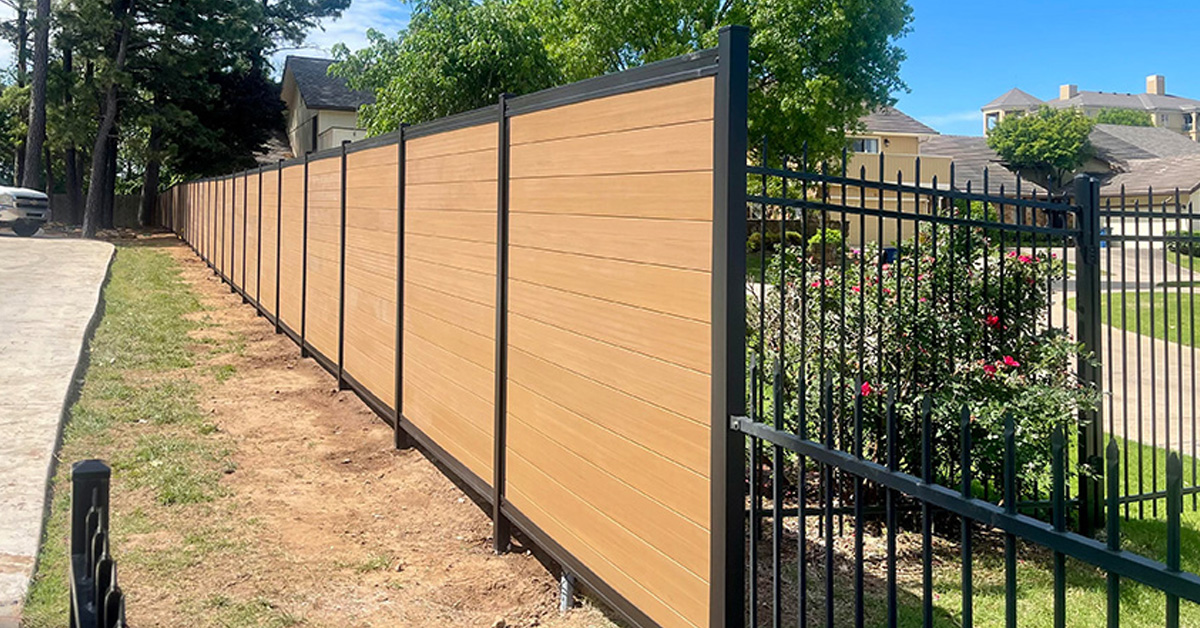
Key Takeaways:
- FenceTrac Steel Frames: Galvanized and powder-coated to resist rust, handle winds up to 150 mph, and avoid warping.
- Weather-Resistant Infills:
- LuxeCore Composite: UV-resistant, moisture-proof, and low maintenance.
- UltraBlend PVC: Durable, fade-resistant, and ideal for humid areas.
- Aluminum Boards: Lightweight, rust-proof, and fire-rated.
- OmniView Wire Mesh: Great for airflow in windy areas.
- Cedar: Natural look but needs regular upkeep.
Pro Tip: Evaluate your local climate (wind speeds, rainfall, temperature swings) and choose materials that match your conditions. For high winds, use steel frames with LuxeCore or aluminum infills. In humid or coastal areas, PVC or aluminum works best.
This guide will show you how to make your fence last longer and require less maintenance. Let’s dive in.
Top 5 Fence Materials for Different Climates – Best Options for Durability & Protection
sbb-itb-908b3eb
Assess Your Area’s Weather Patterns
Before selecting fence materials, it’s smart to evaluate your area’s climate. Resources like NOAA or the National Weather Service can provide data on average wind speeds (mph), annual rainfall (inches), humidity levels (%), and temperature extremes (°F). These details highlight the weather conditions most likely to affect your fence over time.
Look beyond averages and focus on historical extremes. For example, coastal Florida experiences consistent winds of 15–25 mph, but hurricanes can bring gusts up to 130 mph. In contrast, the Midwest typically sees 10–20 mph winds but faces occasional tornado threats. Seattle’s 38 inches of yearly rainfall combined with 70–80% humidity can lead to wood rot, while Phoenix’s mere 8 inches of rain and temperatures surpassing 110°F cause materials to fade and become brittle. Minnesota’s temperatures swing from -20°F to 90°F, creating freeze-thaw cycles that crack untreated wood, and Arizona’s intense heat accelerates the breakdown of less durable materials. These climate-specific insights are crucial when choosing the right FenceTrac infill to withstand challenging conditions.
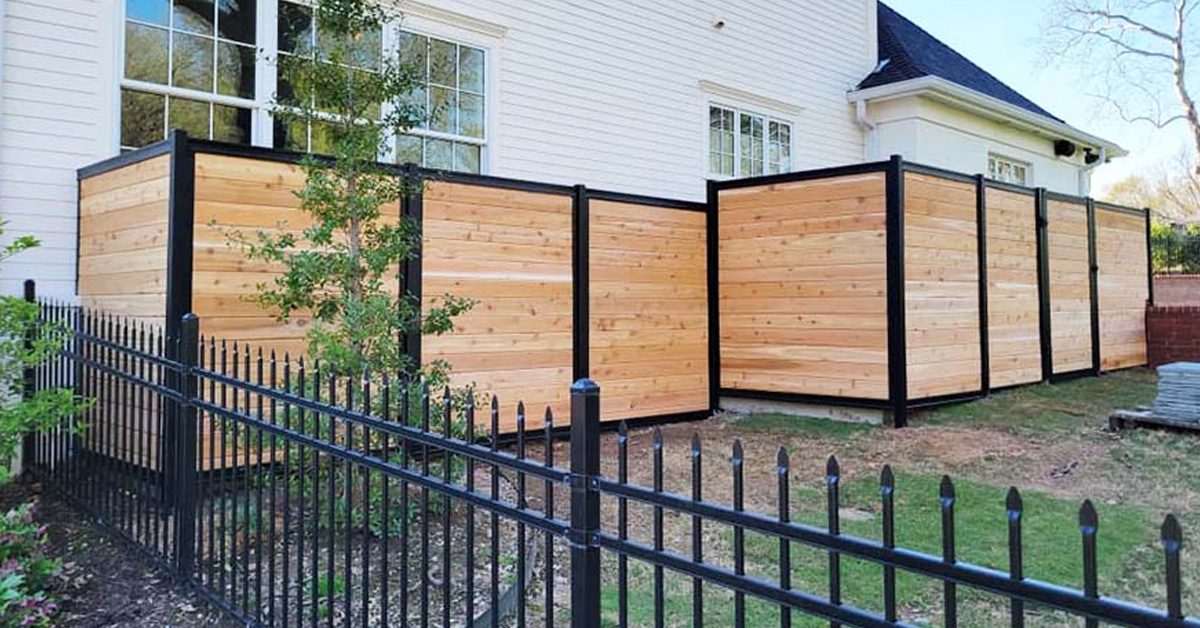
Choosing materials that align with your climate can reduce repair expenses by 40–60% over two decades. For areas prone to high winds – where pressures can reach 30–50 pounds per square foot at 90 mph – a steel frame with a suitable infill ensures better durability.
Make sure to review local building codes, which often follow ASCE 7 standards for wind load requirements. In hurricane-prone areas, fences may need to endure winds of 110–130 mph, while certain seismic zones, like parts of California, might require resistance up to 115 mph. FenceTrac systems are designed to accommodate infill options rated for wind speeds between 90 and 120 mph, ensuring compliance with local codes and weather demands. Additionally, consider microclimates on your property. Poor drainage, constant sun exposure, or wind tunnels between buildings can create stress points that accelerate wear and tear.
The table below offers a quick reference for matching weather conditions to the best FenceTrac solutions.
| Weather Factor | Risk Threshold | Recommended FenceTrac Approach |
|---|---|---|
| Wind Speed | >50 mph gusts | Steel frame with aluminum or composite infill |
| Annual Rainfall | >40 inches | PVC or composite (moisture-resistant) |
| Peak Temperature | >100°F | Fade-resistant UltraBlend or LuxeCore |
| Average Humidity | >70% | Non-absorbent PVC or aluminum boards |
FenceTrac Steel Frame: Built to Handle Extreme Weather
The backbone of any weather-resistant fence lies in its frame, and FenceTrac’s patented U-channel system is built with durability in mind. Made from 18-gauge roll-formed galvanized steel, this frame is designed to withstand winds up to 150 mph.

What sets this frame apart is its dual-layer protection system. First, the galvanized steel base offers excellent corrosion resistance. Then, a multi-stage pre-treatment prepares the surface for an electrostatically applied TGIC Polyester powder coating. This heat-cured finish creates a thick, uniform, and non-porous barrier that locks out moisture, effectively preventing rust and corrosion – common issues with less-protected materials. Unlike traditional wood-fence nail assemblies, FenceTrac uses a 4-bolt panel assembly, minimizing weak points and boosting overall strength.
One of the standout features of the steel frame is its resistance to heat-induced deformation. Because it doesn’t absorb moisture, it avoids the warping seen in wood or the distortion often experienced with vinyl. The powder-coated finish further enhances its ability to handle high temperatures without breaking down.
Maintenance is simple. The galvanized and powder-coated steel frame stays rust-free with just occasional cleaning using mild soap and water. Additionally, the slotted mounting holes ensure precise assembly, reducing the risk of weak spots that could compromise its weather resistance.
When combined with weather-resistant infill materials like LuxeCore composite or UltraBlend PVC, the steel frame becomes part of a fence system that’s built to last. Backed by a 20-year structural guarantee, this combination offers the durability needed to withstand extreme weather while requiring far less upkeep than traditional wood fencing. The steel frame provides the solid foundation necessary for pairing with high-performance infill materials, ensuring a fence that stands strong in even the toughest conditions.
Weather-Resistant Infill Materials for FenceTrac Systems
The FenceTrac steel frame provides a strong foundation, but the right infill material is what truly tailors your fence to withstand various weather conditions. From intense heat to heavy rain, each material offers specific benefits to help your fence perform in challenging climates.
1. LuxeCore Premium Composite Boards
LuxeCore boards are made with a cellular PVC core and an ASA (acrylic styrene acrylonitrile) outer layer, offering excellent protection against UV rays. This prevents fading, cracking, or deterioration even under relentless sun exposure.
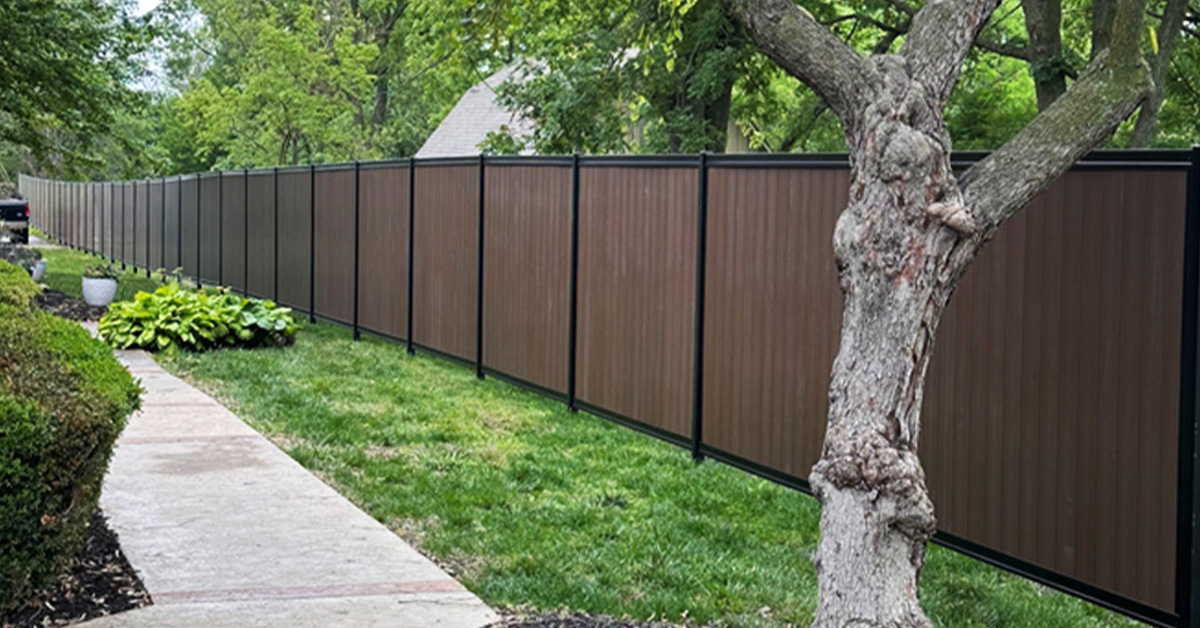
The material is nonporous, so it won’t absorb moisture, making it resistant to rot, mold, and mildew – perfect for humid or coastal areas. Being entirely wood-free, these boards won’t warp or expand due to temperature changes. Each plank is 1 inch thick and comes with a limited lifetime warranty. LuxeCore boards are available in four wood-grain textures – Black Onyx, Harbor Gray, Timber Brown, and Tropical Teak – designed to keep their appearance intact for years. If you’re looking for a similar alternative, UltraBlend PVC Fencing is worth considering.
2. UltraBlend PVC Fencing
UltraBlend PVC boards are built for strength, featuring ASA encapsulation and a double-wall design with center webbing. They are completely water-resistant and do not absorb moisture, making them ideal for humid or coastal environments.
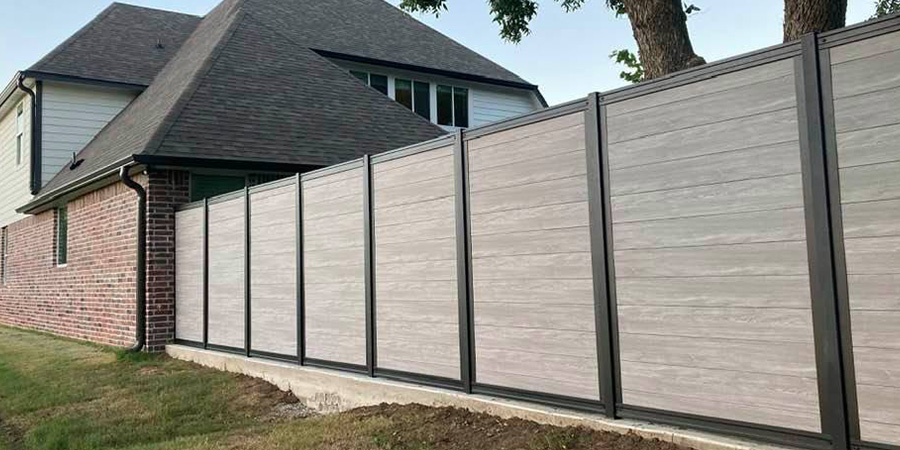
Each board measures 1 inch thick, 5-7/8 inches wide, and 71-1/2 inches long, weighing about 5 lbs. The tongue-and-groove profile ensures secure placement within the FenceTrac frame, while the textured finish mimics the look of natural wood. These boards resist mold, mildew, and warping, even in extreme weather conditions. Like LuxeCore, UltraBlend comes with a limited lifetime warranty. For a lighter option with impressive durability, Aluminum Infill Boards are another great choice.
3. Aluminum Infill Boards
Crafted from 6063-T5 aluminum alloy, these boards provide excellent resistance to corrosion and heat without the heft of traditional metals. A heat-cured TGIC Polyester powder coating adds an industrial-grade finish that can endure tough weather. Lightweight yet sturdy, aluminum boards effectively handle high wind loads and resist rust in coastal or rainy environments.

They are available in two configurations: tongue-and-groove (1" x 6") for complete privacy or slat-style (1" x 3") for semi-privacy, which allows airflow and natural light. Additionally, these boards meet ASTM E84 Class A fire standards, making them ideal for wildfire-prone areas. As non-combustible materials, they act as a thermal barrier and require little maintenance.
4. HighPlains Posts with Rough Cedar
This option combines extruded aluminum posts with Western Red Cedar boards (graded #2 tight knot) for a ranch-style aesthetic that balances tradition with durability. Cedar’s natural oils help it resist decay, insect damage, and rot caused by rain.
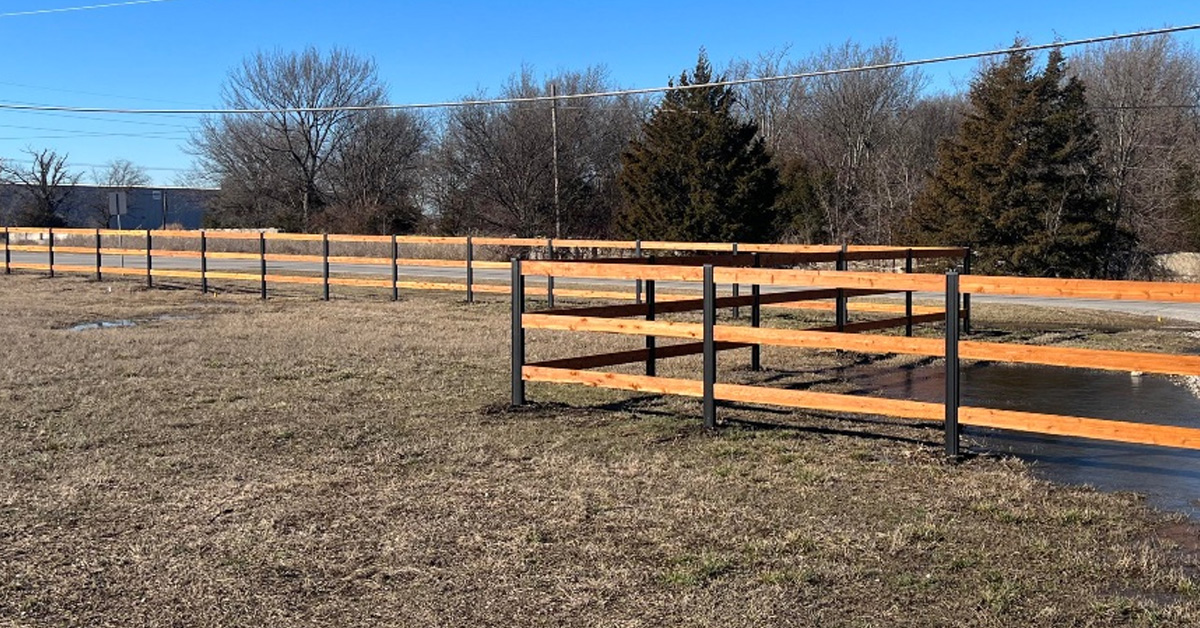
The U-channel design of the FenceTrac system accommodates the natural expansion and contraction of wood due to seasonal changes, eliminating the need for nails or screws that could cause rust or cracking. While cedar is naturally weather-resistant, occasional staining or painting can further protect it from UV rays and heat, extending its lifespan.
5. OmniView Welded Wire Mesh
For areas where visibility and airflow are essential, OmniView welded wire mesh offers a practical solution. Made from rigid galvanized steel, this option has a high wind load capacity and features rust-resistant coatings.
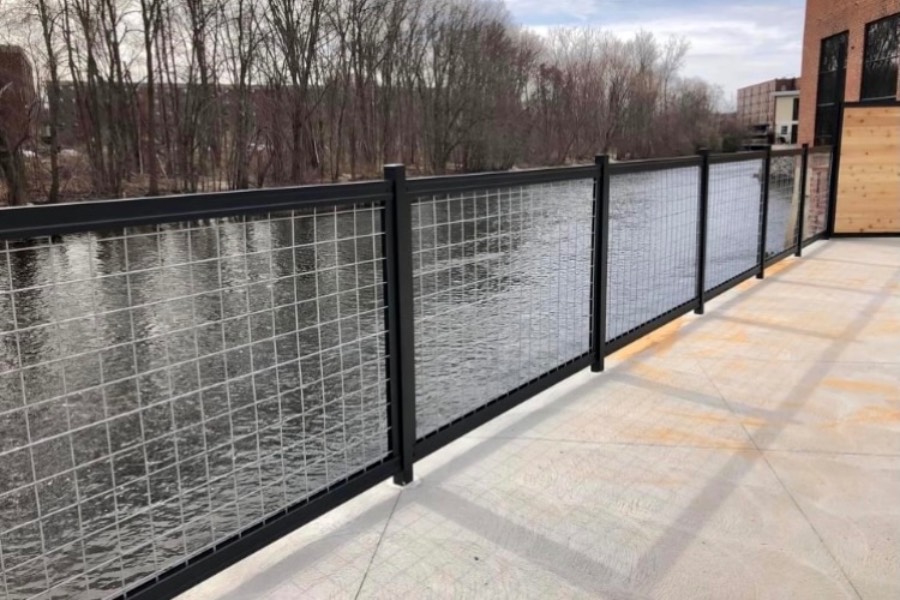
The open design reduces wind pressure compared to solid panels, making it a smart choice for locations with frequent high winds. The galvanized steel resists thermal expansion, ensuring structural integrity even under heat. OmniView’s durability and low-maintenance requirements make it a great fit for both residential and commercial settings, seamlessly integrating with FenceTrac frames.
All FenceTrac infill materials are easy to maintain – just clean them occasionally with mild soap and water to keep your fence looking and performing its best in any weather.
Material Comparison Guide
When choosing fence materials, it’s important to consider how they hold up under different weather conditions. Below is a comparison of FenceTrac’s LuxeCore Premium Composite, UltraBlend PVC, Aluminum Boards, HighPlains Cedar, and OmniView Welded Wire Mesh. This guide highlights their performance in areas like wind resistance, moisture resistance, UV/heat tolerance, maintenance needs, and warranty coverage.
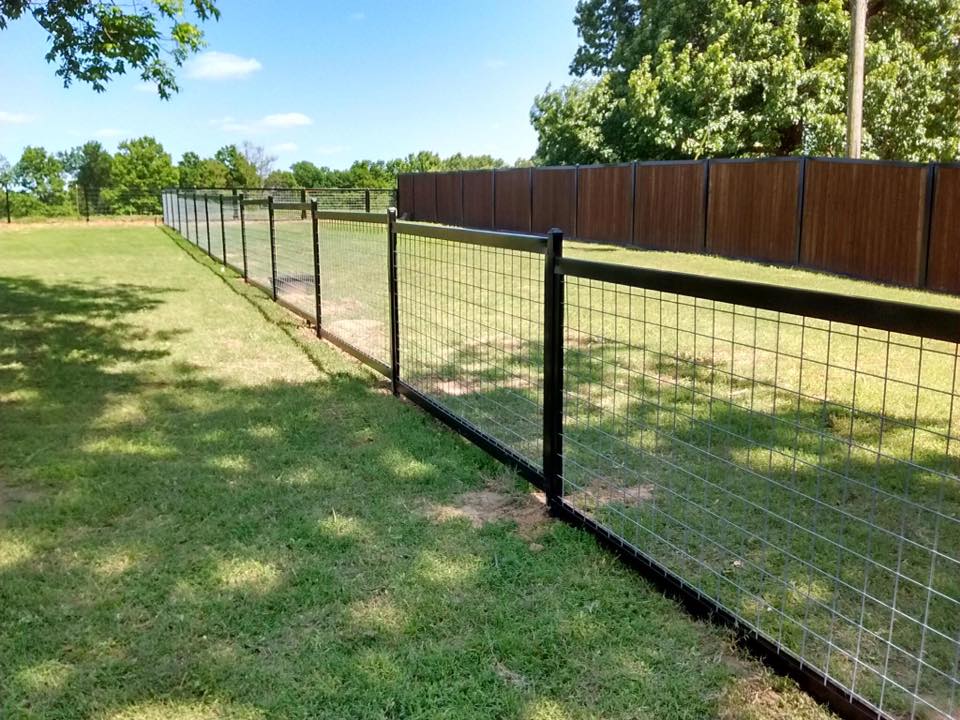
Material Performance Table
| Material | Wind Resistance | Moisture Resistance | UV/Heat Tolerance | Maintenance Requirements | Warranty Coverage |
|---|---|---|---|---|---|
| LuxeCore Composite | High (solid tongue-and-groove barrier) | Excellent (nonporous ASA coating) | Excellent (automotive-grade ASA helps prevent fading) | Low – occasional pressure wash with mild soap and water | 20-year structural guarantee with Limited Lifetime warranty |
| UltraBlend PVC | High (solid tongue-and-groove barrier) | Excellent (water-resistant PVC) | Excellent (ASA encapsulation resists UV) | Low – occasional cleaning | Limited Lifetime warranty |
| Aluminum Boards | Excellent (slat design allows airflow) | Excellent (corrosion-resistant aluminum design) | Excellent (powder-coated finish withstands heat) | Low – minimal upkeep with no rust | 20-year warranty on the FenceTrac frame |
| HighPlains Cedar | Moderate (solid rail design) | Poor (requires regular sealing to prevent rot) | Moderate (needs staining for UV protection) | High – regular staining or sealing required | No warranty for cedar infill |
| OmniView Wire Mesh | Superior (maximum airflow minimizes wind pressure) | Excellent (galvanized steel with rust-resistant coating) | Excellent (resists thermal expansion) | Low – minimal cleaning needed | 20-year warranty on the FenceTrac frame |
Both LuxeCore and UltraBlend stand out with top durability ratings of 5/5, with LuxeCore also achieving a 5/5 in impact resistance. HighPlains Cedar, while more budget-friendly upfront, scores lower at 3/5 and requires significant ongoing maintenance like sealing and staining. On the other hand, LuxeCore and UltraBlend need very little upkeep, making them cost-effective over time.
For areas prone to high winds, combining the FenceTrac 18-gauge galvanized steel frame with tongue-and-groove LuxeCore or UltraBlend boards creates a sturdy barrier that resists warping and twisting. In regions with extreme wind exposure, OmniView welded wire or aluminum slats are excellent options, as they allow airflow and reduce wind pressure on the fence.
To top it off, the FenceTrac system comes with a 20-year Limited Warranty, offering peace of mind against wear from wind, rain, and heat. Proper installation and regular maintenance can further extend your fence’s durability, ensuring it stays strong for years to come.
Installation and Maintenance Tips for Weather Durability
To ensure a sturdy and weather-resistant FenceTrac system, start with its 4-bolt panel assembly. Use self-tapping screws and 18-gauge galvanized U-channels, which are coated with a TGIC polyester powder finish. This combination creates a rigid, rust-resistant Steelock framework.
For installations on uneven ground, the adjustable framework is designed to follow the terrain’s contours. When setting posts, account for the Top/Bottom Trac length (either 72" or 96") and add an extra 1/4" for thermal expansion. This small gap ensures a precise fit and accommodates temperature-related movement. On slopes, trim LuxeCore or UltraBlend boards to avoid interference with thru-bolt connections. If you’re using cedar infill, notch the first and last boards (1.5" to 3") at corners to avoid issues with the bolt assembly.
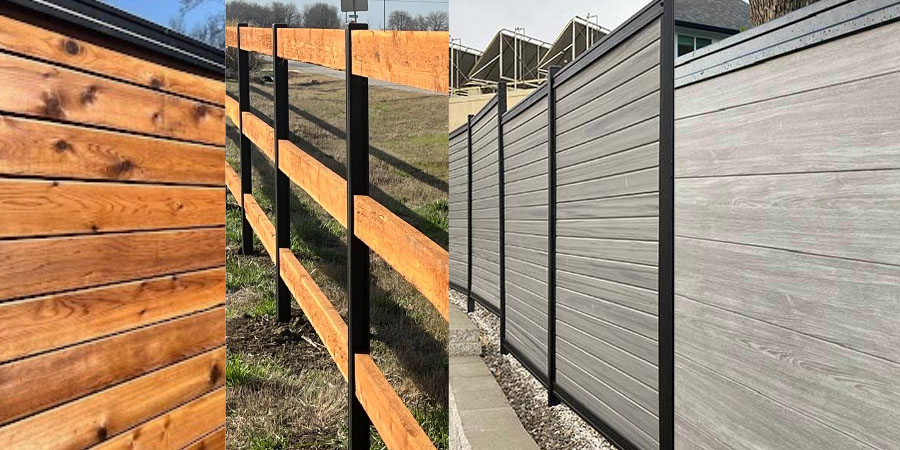
Regular maintenance and inspections are key to keeping the system in top shape. The care routine depends on the infill material. For LuxeCore and UltraBlend, occasional pressure washing with mild soap and water is sufficient to remove dirt and debris. The powder-coated steel frame should be kept free of heavy debris to prevent damage. Cedar infill requires a bit more attention – apply stain only during a dry weather window of 24 to 48 hours before and after application. Water-based stains need 24 hours to cure, while oil-based stains may take up to 72 hours.
To maintain structural integrity, periodically check and tighten the four-bolt panel assembly, especially to withstand wind loads. Ensure post caps are securely in place to prevent water intrusion into the steel posts. Western Red Cedar, known for its seasonal expansion and contraction, may require occasional manual adjustments within the frame. The FenceTrac system is designed for easy repairs – individual boards can be replaced by simply removing the top rail, eliminating the need to dismantle the entire structure.
Conclusion
When selecting fence materials, it’s essential to consider your local climate. Opt for materials that can handle wind, rain, and heat while requiring minimal maintenance. The FenceTrac steel frame serves as a sturdy foundation, designed to endure high winds, resist corrosion from rain, and remain stable in extreme heat.
Each infill option is carefully crafted to perform well under tough weather conditions when paired with the steel frame. Options like LuxeCore composite, UltraBlend PVC, aluminum, cedar, and OmniView welded wire mesh provide specific weather resistance. These materials not only withstand harsh climates but also require little more than occasional cleaning, ensuring durability and ease of care.
For areas prone to wildfires, the fire-rated aluminum infill meets ASTM E84 Class A standards, offering excellent resistance to both fire and corrosion. If you’re after a classic ranch-style look, HighPlains extruded aluminum posts combined with rough cedar provide a natural resistance to decay and insects while complementing the steel frame’s strength.
The modular design of the system simplifies repairs. Instead of dismantling entire sections, you can replace individual boards by removing the top rail. Additionally, the frame accommodates thermal expansion and adapts to uneven terrain, making it suitable for various U.S. climates – from the humid Southeast to the dry Southwest.
Start by evaluating your region’s wind speeds, rainfall, and temperature extremes to select the right FenceTrac infill for your needs. With components made in the U.S. and designed for long-lasting performance, this system offers a durable, low-maintenance solution tailored to withstand the demands of diverse climates.
FAQs
How do I find my local wind-load requirement?
To figure out the wind-load requirement for your area, check your local building codes or reach out to your local building authority or planning department. These regulations are tailored to your region’s climate and specific guidelines.
FenceTrac systems are built to withstand wind speeds of up to 150 mph, making them a sturdy choice for regions with tough wind-load standards. However, always confirm the exact requirements with a professional or by reviewing local codes.
Which infill is best for coastal or humid areas?
For areas near the coast or with high humidity, LuxeCore composite infill stands out as a strong option. Built to resist weathering, it handles moisture, salt, and humidity effectively, offering durability even in tough conditions.
What’s the lowest-maintenance fence option for extreme heat?
The best low-maintenance option for extreme heat is LuxeCore composite fencing. It’s built to handle tough conditions with features like scratch resistance and UV protection. Plus, it needs very little upkeep, making it perfect for hot climates.
Related Blog Posts
- How to Choose Fence Infill Materials for Your Property
- Why Wood Fences Warp, Lean, and Sag and How the FenceTrac Steel Fence Frame Solves the Problem
- Modern Fence Design Ideas That Combine Clean Lines With Structural Strength
- Why Contractors Are Switching to Steel Framed Fence Systems for Fewer Callbacks