
FenceTrac manufactures privacy fence systems in 4-foot, 6-foot, and 8-foot heights, covering the full range of residential fence codes across the country. In most U.S. municipalities, backyard privacy fences are limited to 6 feet and front yard fences are limited to 3 or 4 feet, though the exact rules depend on your city, county, zoning district, and any HOA covenants that apply to your property.
The Short Answer
The most common residential fence height limit is 6 feet for backyards and side yards, and 3 to 4 feet for front yards. Some jurisdictions allow 8-foot fences in rear yards with a permit or variance. Corner lots, sight triangle rules, and setback requirements can reduce allowable height near streets and intersections.

Typical Residential Fence Height Limits
Fence height regulations follow a general pattern across most U.S. cities and counties, though specific numbers vary.
| Location on Property | Typical Height Limit | Notes |
|---|---|---|
| Rear yard (backyard) | 6 feet | Most common residential limit |
| Side yard (behind front building line) | 6 feet | Same as rear in most codes |
| Front yard | 3 to 4 feet | Some cities allow up to 4 feet; others cap at 3 feet |
| Corner lot (street-side yard) | 3 to 4 feet | Sight triangle rules often apply near intersections |
| Pool perimeter | 4 feet minimum | Many codes require a minimum of 4 feet for pool barriers |
These are general patterns. Your local building department or planning office will have the exact numbers for your zoning district.
What Determines Your Fence Height Limit
Three layers of regulation can affect how tall your fence can be. All three may apply to your property at the same time.
Municipal Zoning Codes
Your city or county zoning code is the legal baseline. It defines maximum fence height by zone (residential, commercial, agricultural) and by location on the lot (front yard, side yard, rear yard). Most residential zones cap fences at 6 feet in rear yards.
Some municipalities measure fence height from the ground on the higher side of the fence. Others measure from the lower side or from the average grade. This matters on sloped lots where the ground level differs on each side of the fence.
HOA Covenants and Architectural Review
If your property is in a homeowners association, the HOA’s covenants, conditions, and restrictions (CC&Rs) may impose additional fence rules beyond the city code. HOAs commonly restrict fence materials, colors, styles, and heights. An HOA may require architectural review board approval before any fence installation begins.
Property Setback Requirements
Setback rules define how close a structure can be to the property line, the street, or an easement. In many jurisdictions, fences under a certain height are exempt from setback rules, but taller fences (typically over 6 feet) may be treated as structures and subject to setback distances.
When You Can Build Taller Than 6 Feet
Several scenarios allow fences taller than the standard 6-foot residential limit.
A variance or special permit from the local zoning board can authorize a taller fence if you can demonstrate a specific need, such as noise reduction along a busy road, security for a commercial-adjacent property, or privacy from an elevated neighbor.
Some cities allow 8-foot fences in rear yards by right in certain zoning districts, particularly in rural residential or large-lot zones. Agricultural and estate properties often have higher limits or no fence height cap at all.
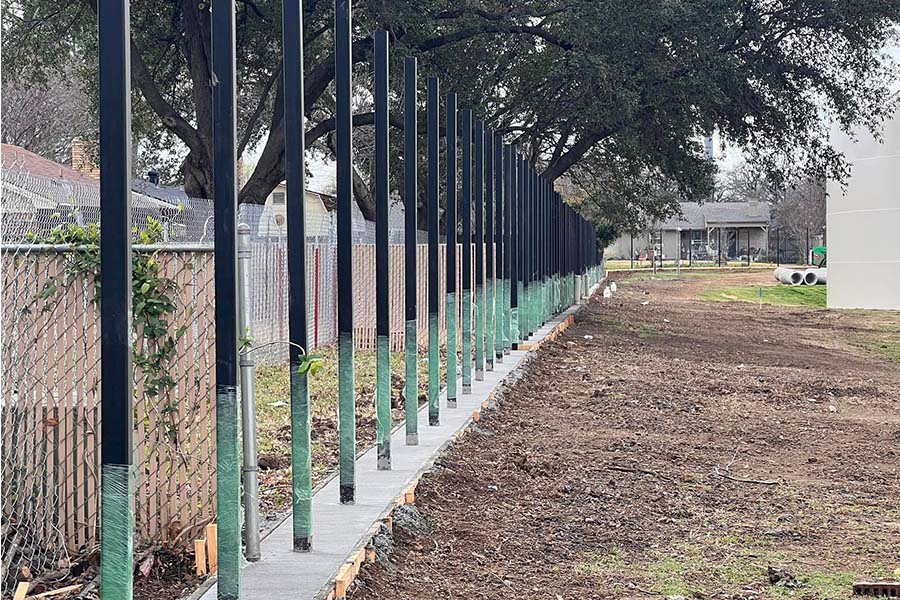
FenceTrac’s 8-foot panel option is built for these applications. The galvanized steel frame and post system is engineered for the increased wind load that comes with taller panels. For high-wind areas, FenceTrac privacy fencing was tested to a 55.0 psf design wind load under ASTM E330 by QAI Laboratories.

Fence Height Ideas for Different Property Zones
Choosing the right fence height for each section of your property balances code compliance with privacy and aesthetics.
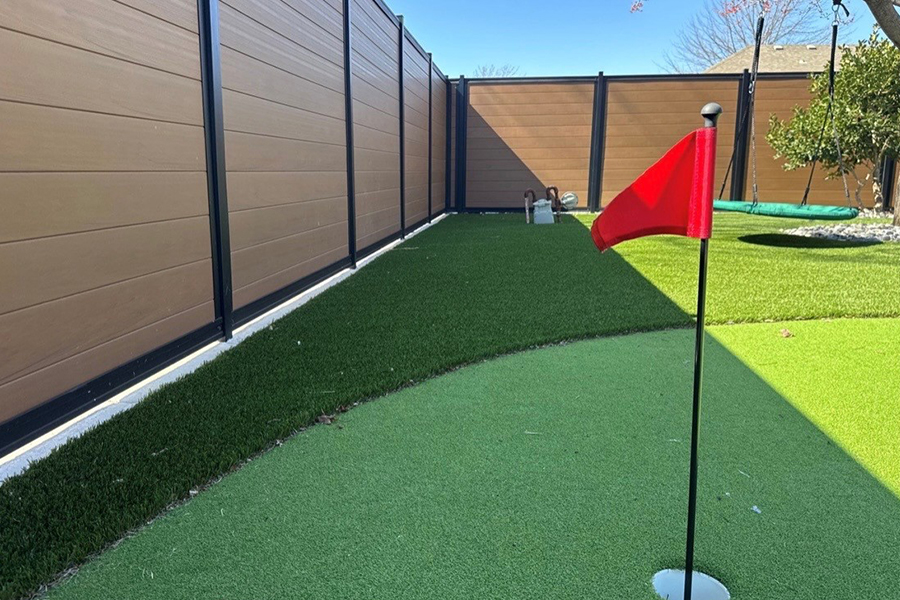
A 6-foot FenceTrac privacy fence with LuxeCore composite infill or UltraBlend PVC infill covers the backyard where full privacy matters most. For the front yard, a 4-foot semi-privacy fence with aluminum slat boards keeps the property open and visible while still marking the boundary.
For properties where a taller fence is allowed, 8-foot panels create a significant privacy and noise buffer. The same galvanized steel frame and powder-coated finish carry through every height, so the fence line looks consistent even when heights change between zones.
Related Questions
Do I need a permit to build a fence? Most cities require a fence permit for any new fence construction. Some exempt fences under a certain height (often 6 feet). Check with your local building department before starting.
Can my neighbor object to my fence height? If the fence meets local code and any applicable HOA rules, your neighbor generally cannot block it. Some jurisdictions have “spite fence” ordinances that restrict fences built solely to annoy a neighbor, typically triggered at heights above 6 or 8 feet.
See Also
What are HOA fence rules I need to know before installing a fence? for a deeper look at HOA-specific restrictions and approval processes.
Get a Quote for Your Residential Fence
FenceTrac ships fence systems nationally and has been manufacturing engineered fencing in the USA since 2012.
Every system carries a 20-year warranty and is engineered for long-term performance with minimal maintenance.