
Tired of sagging and leaning fences? FenceTrac‘s steel-framed system offers a durable solution that eliminates common issues like rot, warping, and misalignment. Here’s how it works:
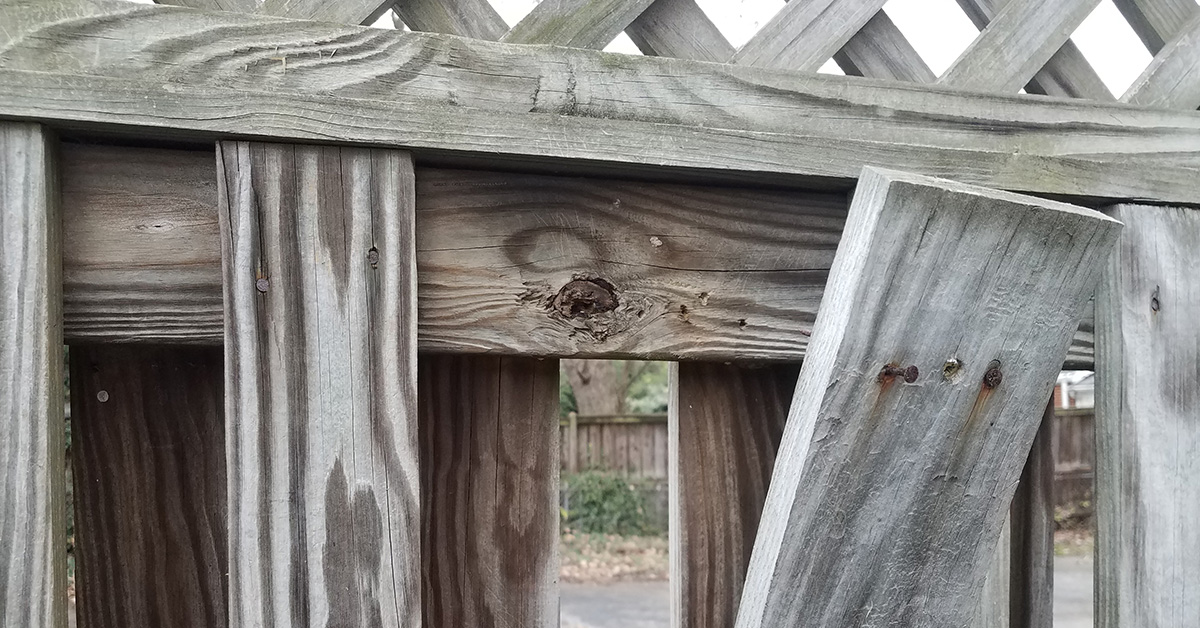
- Steel Framework: Heavy-duty steel posts and 18-gauge U-channels resist moisture, insects, and weather damage, unlike wood.
- Longevity: Steel components last decades, far exceeding the 7–10 year lifespan of wood posts.
- Ease of Installation: Precision spacing and modular design make setup straightforward, even on uneven terrain.
- Low Maintenance: Powder-coated steel resists corrosion, while modular panels allow for easy repairs.
- Versatile Infill Options: Works with materials like cedar, composite, or metal for a custom look.
FenceTrac ensures long-lasting fences with minimal upkeep, making it a smart investment for both residential and commercial properties.
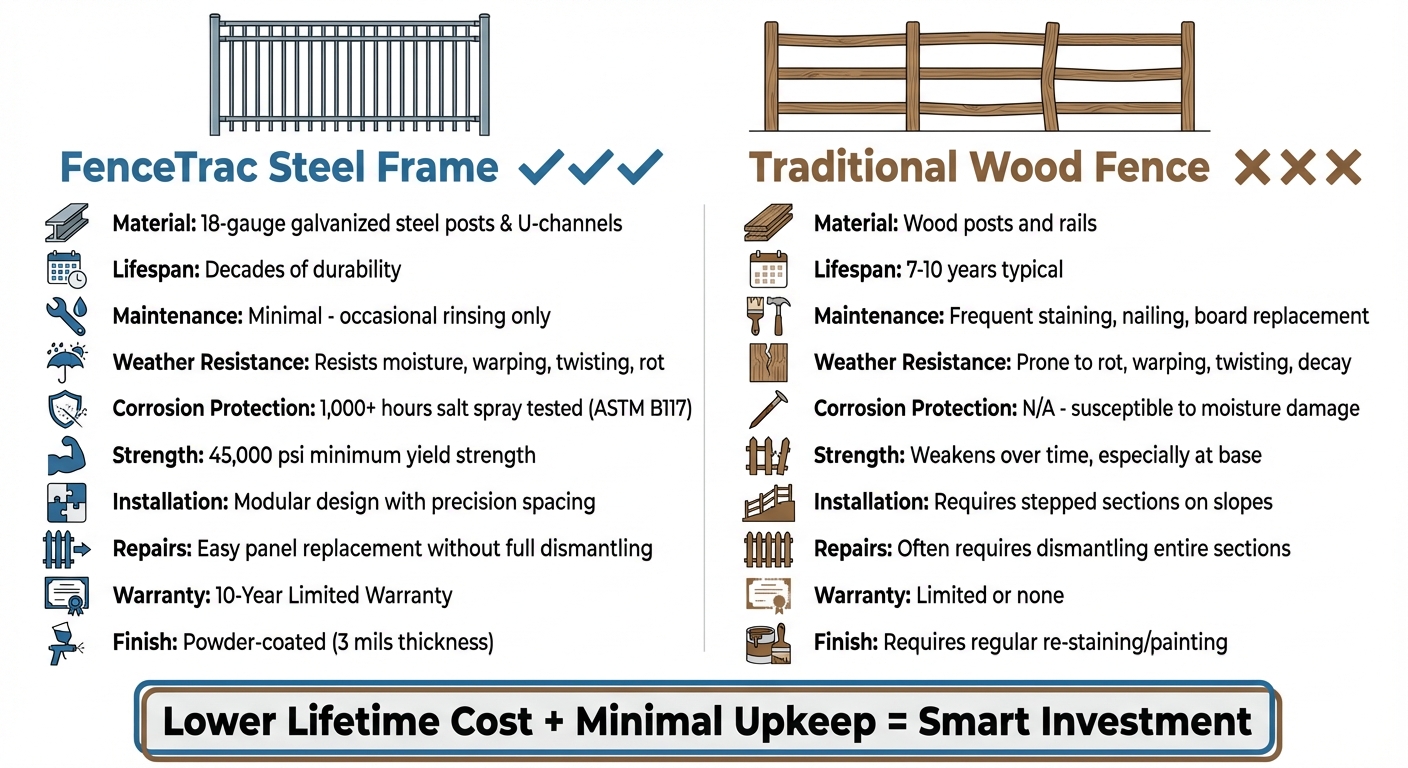
FenceTrac Steel Frame vs Traditional Wood Fence Comparison
How FenceTrac Prevents Sagging and Leaning
FenceTrac’s steel framework is designed to address the typical issues that lead to fence failure. By combining U-channel rails, sturdy steel posts, and a tough powder-coated finish, the system provides long-lasting strength and alignment – even when faced with challenging weather conditions. Together, these elements create a cohesive system that keeps fences stable and secure.
The U-Channel Steel Frame
The patented U-channel frame offers continuous support along the edges of infill materials up to 1 inch thick. Unlike wood fences that rely on fasteners, this design eliminates stress points by evenly supporting the infill along its entire length.

Made from 18-gauge roll-formed galvanized steel, the rails maintain their shape under extreme conditions, such as temperature fluctuations, heavy rain, and strong winds. While wood tends to warp and twist when exposed to moisture, steel remains stable. Additionally, the bottom track includes drainage holes at both ends to prevent water buildup. Combined with the steel’s stability, these features work to combat common causes of fence misalignment.
Steel Posts and Trac Components
Steel posts play a critical role in eliminating one of the biggest weaknesses of traditional fencing: rot at the base. Unlike wood posts, steel resists moisture, insect damage, and fungi indefinitely. Using steel posts to build a strong wood fence is a great option. FenceTrac uses heavy-duty galvanized steel posts with a minimum yield strength of 45,000 psi, ensuring a solid and durable foundation.
The Post Trac siderails connect the fence panels to the posts using a multi-point bolted system, which is far more secure than nails that can loosen over time. Each panel is fastened with four main bolts and self-tapping screws, distributing stress evenly. By aligning the rails with the posts – rather than attaching them to the side – the system achieves a balanced center of gravity, reducing strain on fasteners. This design also makes the system rackable, meaning it can adjust to sloped terrain without the need for stepped sections that could weaken the structure.

Powder-Coated Steel for Durability
FenceTrac’s steel components undergo a multi-stage process to ensure durability. This includes zinc phosphate pre-treatment and a TGIC Polyester powder coating, which is heat-cured to create an industrial-strength barrier. Tested to withstand 1,000 hours of salt spray per ASTM B117, the coating is applied at a minimum thickness of 3 mils and comes in matte black, white, bronze, and tan. The result is a finish that requires virtually no maintenance.
If a rail is cut during installation, applying a zinc primer followed by touch-up paint to the exposed edges will preserve the corrosion-resistant seal. This durable finish is key to preventing the deterioration that often causes fences to sag or lean over time.
Planning and Installation for a Stable Fence
Laying the groundwork for a sturdy fence starts with careful planning and precise installation techniques. By thoroughly assessing your site, marking the fence line accurately, and properly setting posts, you can create a reliable foundation that avoids many structural problems often seen with traditional fencing.
Site Assessment and Fence Line Layout
Before anything else, confirm your property boundaries to steer clear of potential disputes with neighbors. Use a string line stretched between corner stakes to establish a straight and clear alignment for your fence. As you inspect the proposed fence line, watch out for obstacles like tree roots, underground utilities, or natural drainage patterns. The FenceTrac system is designed to handle sloped terrain without requiring stepped sections, making it easier to plan layouts on uneven ground.

Also, consider water runoff during this step to ensure proper drainage around the fence base. Once the layout is finalized, the next step is to focus on precise post spacing and secure anchoring.
Post Spacing and Depth
Getting the post spacing right is essential for maintaining the strength of the FenceTrac system. The spacing should align perfectly with the length of the Top and Bottom Tracs. FenceTrac offers rail lengths of 72 inches and 96 inches. For these, posts should be set with clearances of 72¼ inches or 96¼ inches – this includes an extra ¼ inch for the infill material. This precise spacing ensures that the infill slides smoothly into the U-channels without any issues. The system works with 2-inch to 4-inch square steel posts, which should be anchored in concrete footings for fence heights of 4, 6, or 8 feet. Mark Edmund of Mark Edmund Design, LLC shared his experience with the installation process:

"I had the posts dug & set by my concrete guys, I installed the 9 frames and inserts solo in one day, piece of cake! Looks great! The 8′ height is a great sound barrier."
Concrete Footing and Anchoring Methods
After ensuring precise post spacing, securely anchor each post to maintain long-term alignment. Steel posts are a smart choice since they resist ground-level rot, which adds to the fence’s durability. For traditional installations, dig post holes and set the steel posts in concrete, allowing sufficient curing time before attaching the rails. If you’re working with an existing concrete slab, you have two options: surface mounting with metal posts that have welded base plates secured by anchor bolts, or core drilling through the slab to embed the posts directly into the ground. For new construction, pouring a continuous concrete footer along the entire fence line is worth considering. This approach prevents moisture buildup at the base and eliminates the hassle of trimming grass underneath.
Frame Assembly and Infill Material Selection
Putting together the steel frame and choosing the right infill materials are key steps to ensuring long-term durability. The FenceTrac system features a patented U-channel frame made from 18-gauge galvanized steel.
How to Assemble the Steel Frame
Each FenceTrac panel kit comes with one Top Trac, one Bottom Trac, and two Post Trac siderails. These components are assembled using four bolts per panel. Start by inserting the lower ends of the Post Tracs into the Bottom Trac before attaching them to the post. This step is crucial because the clearance becomes too tight once everything is in place.
The slotted mounting holes in the Trac components make field alignment easier, giving you some wiggle room during installation. At first, loosely secure all bolts and nuts. Once the panel and infill are properly leveled, tighten everything to lock the frame in place. This method ensures the frame stays aligned and fully supports the infill without causing misalignment. After assembling the frame, the next step is selecting the best infill material for your needs.
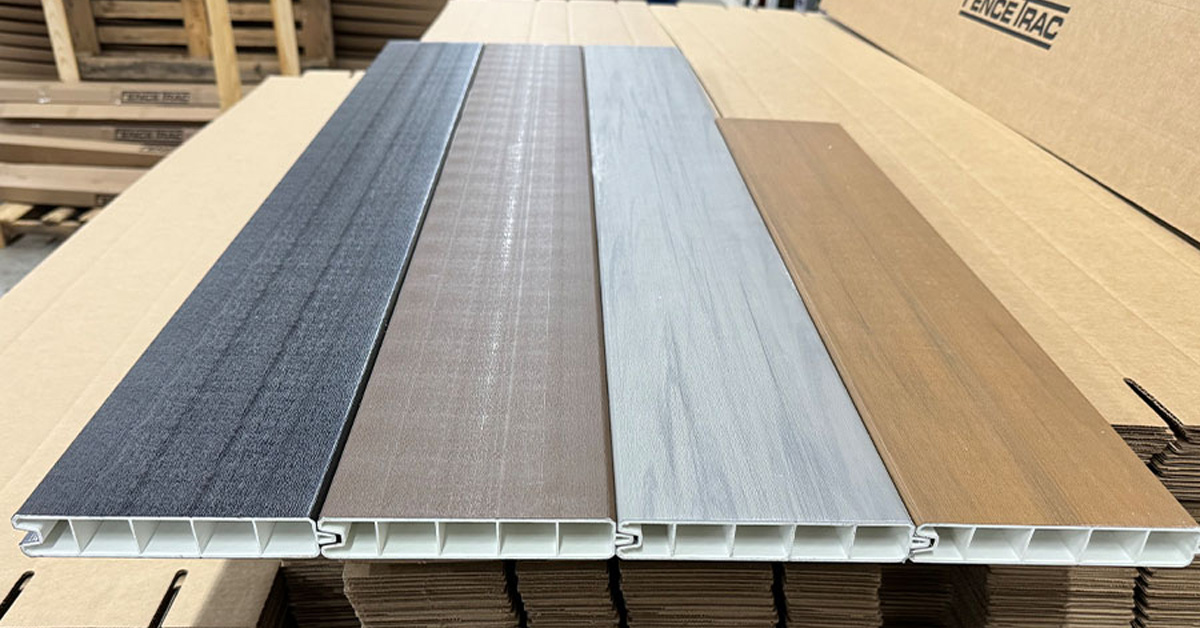
Choosing Infill Materials for Stability
The FenceTrac frame is designed to work with any rigid infill material up to 1 inch thick, giving you plenty of options to match your budget, style, and maintenance preferences. Tongue-and-groove infill is a top recommendation for its strength and ability to provide excellent privacy. For a classic look, Western Red Cedar is a popular choice, though it’s worth noting that it can expand or warp in humid conditions. Tongue-and-groove joints help maintain its rigidity. If you prefer a low-maintenance option, consider UltraBlend PVC planks, which weigh about 5 pounds each, or LuxeCore composite planks, which feature a cellular PVC core encased in ASA for great weather resistance. LuxeCore also comes with a limited lifetime warranty. For an industrial and durable option, corrugated metal panels are a good pick. However, to prevent rattling, the long seams should be fastened with self-tapping screws or sealant.
Infill Orientation and Placement
Once you’ve selected your infill material, proper orientation during installation is crucial for long-term stability and minimal upkeep. For horizontal tongue-and-groove planks, install them with the groove side down and the tongue side up. This setup helps reduce moisture buildup and warping over time. For vertical installations, begin at one side by sliding each board into the next, and finish by placing the final board from the top. The first and last pieces of infill – whether cedar, composite, or PVC – need to be notched at least 1.5 inches by 1.5 inches. This ensures they clear the bolt and nut connection points where the horizontal rails meet the vertical Post Tracs. Notching is essential to keep the frame square and to ensure the infill fits securely within the U-channel. The U-channel design also helps by draining water from its ends, preventing rust and debris buildup inside the frame.
sbb-itb-908b3eb
Inspection, Maintenance, and Longevity Tips
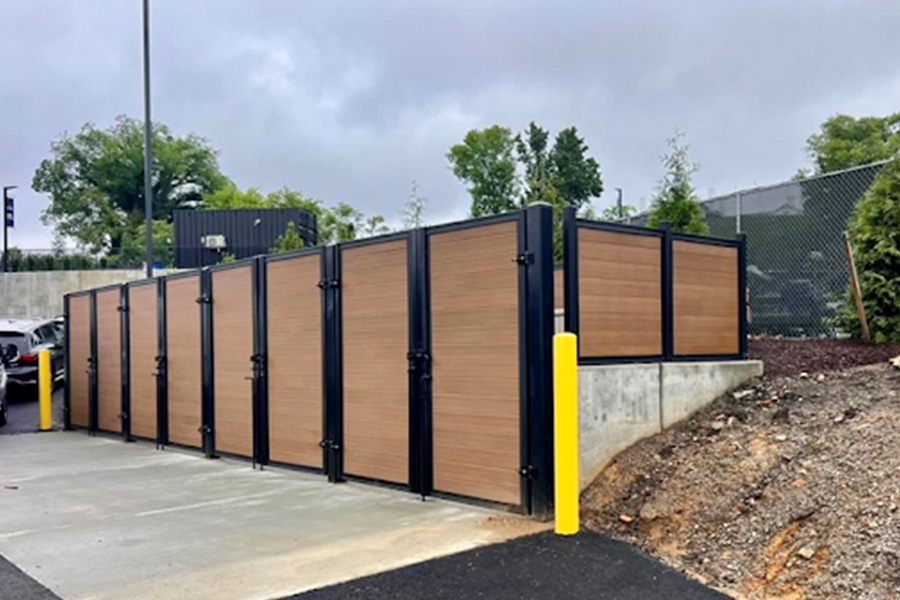
Once your FenceTrac fence is installed, regular inspections are key to keeping it aligned and sturdy. Thanks to its steel frame system, maintenance is far easier compared to traditional wood fences. A few quick checks throughout the year can help you catch and address minor issues before they grow into bigger problems. Use the checklist below to assess your fence’s condition efficiently.
Fence Inspection Checklist
Inspect your fence annually and after storms to identify potential problems early. Pay close attention to the following:
- Fasteners: Check bolts, screws, and channels for debris to ensure proper drainage and secure connections. The bolts (four per panel) and self-tapping screws attaching the Post Trac siderails to the posts should remain tight.
- Steel Posts: Verify that the posts haven’t shifted. They should stay plumb since they’re anchored in concrete footers at least 36 inches deep.
- Infill Panels: Look for movement, especially with natural materials like cedar, which may expand or contract with seasonal changes.
- Powder-Coated Finish: Inspect for chips or scratches, particularly at cut rail ends, and treat them promptly to prevent corrosion.
| Component | Inspection Frequency | Maintenance Action |
|---|---|---|
| Fasteners | Annually | Tighten bolts and self-tapping screws |
| Bottom Trac | Seasonally | Clear debris from channel ends for drainage |
| Cedar Infill | Bi-annually | Adjust boards for seasonal movement |
| Steel Rails | Annually | Touch up scratches with Zinc Primer and paint |
| Post Caps | Annually | Ensure caps are secure to block water entry |
If you spot any issues during your inspection, address them right away to prevent further damage.
How to Fix Early Issues
If you notice a leaning post, here’s how to fix it:
- Dig 12 inches around the base of the post.
- Use a level to straighten the post.
- Brace the post with 2x4s.
- Refill the area with fast-setting concrete.
Make sure the concrete slopes away from the post to prevent water pooling. For a watertight seal, apply silicone caulk where the post meets the concrete. If you’re using Western Red Cedar infill, adjust the boards as needed during seasonal shifts caused by humidity. For damaged boards, there’s no need to dismantle the entire fence – just remove the top rail and slide out the affected piece for replacement.
Low-Maintenance Benefits of Steel Frames
One of the standout features of FenceTrac’s steel frames is how little upkeep they require. The 18-gauge galvanized steel posts and rails resist common wood fence issues like warping, twisting, rot, and decay. Unlike wood fences that demand frequent staining, nailing, or board replacement, FenceTrac’s system is practically hassle-free.
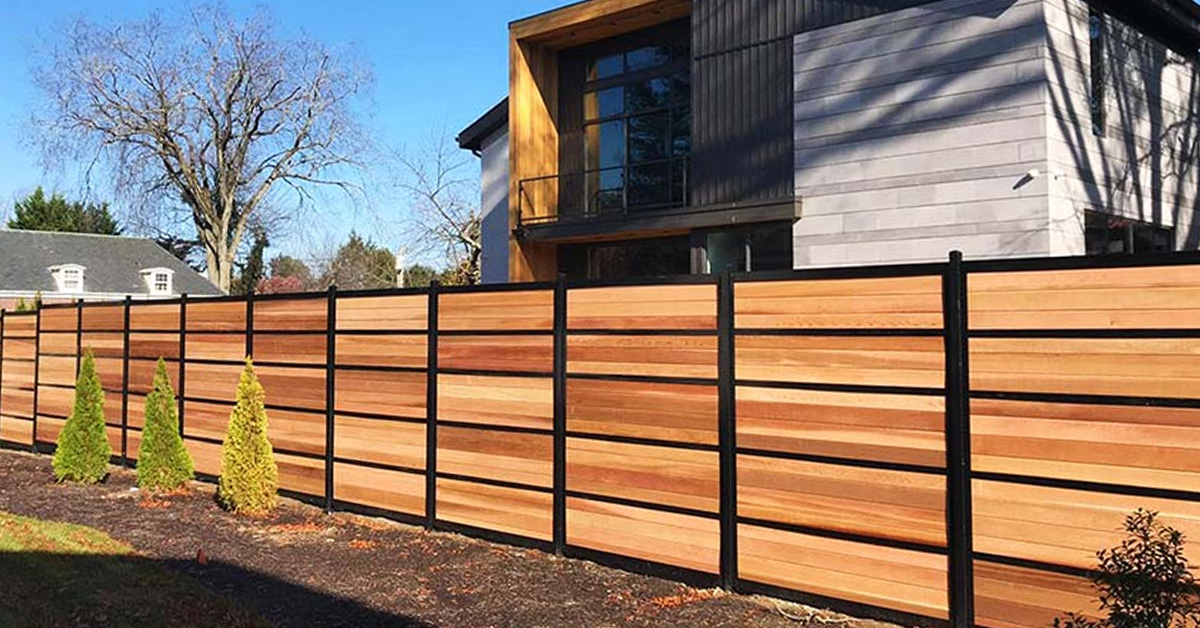
The powder-coated finish is rigorously tested for over 1,000 hours of corrosion resistance, meeting ASTM B117 standards. Plus, the fence comes with a 10-Year Limited Warranty for added peace of mind. Occasional rinsing with water is enough to keep it looking clean, and the modular design allows for easy replacement of individual components without tearing down entire sections. This durability not only saves time but also reduces long-term costs, making it an efficient and reliable fencing solution.
Conclusion
A solid framework is the key to avoiding sagging and leaning, and FenceTrac’s steel-framed system addresses these common issues head-on. Built with galvanized steel, it resists warping, twisting, and rot, ensuring the fence maintains its strength and structure – even in tough weather conditions.
This system doesn’t just stop at durability. Its efficient installation process and powder-coated finish, tested to endure over 1,000 hours of salt-spray exposure, promise long-lasting performance. Plus, it’s backed by a 10-year limited warranty for added peace of mind. Unlike traditional wood fences that need frequent staining and board replacements, FenceTrac requires minimal upkeep – just an occasional rinse to keep it looking clean.
"FenceTrac has a much longer lifespan (with lower lifetime cost) than traditional wood or vinyl fencing." – FenceTrac
The system’s design further enhances its practicality. Its modular setup makes repairs simple and quick. If a board or infill material gets damaged, you can easily replace it by removing the top rail and sliding out the affected piece – no need to dismantle entire sections. Whether your property has sloped terrain or faces extreme weather, the rackable steel framework adjusts seamlessly while staying sturdy. With its combination of durability, low maintenance, and adaptability, FenceTrac offers an attractive fencing solution that saves time and money in the long run.
FAQs
How does FenceTrac help prevent fences from sagging or leaning?
FenceTrac is built to tackle the common problems of sagging and leaning fences with its sturdy steel framework. The system features a patented steel U‑channel frame paired with heavy-duty 18‑gauge galvanized steel posts and rails, offering resistance against warping, twisting, and rotting – issues that often plague traditional wooden fences.
What’s more, this design adjusts seamlessly to uneven ground, ensuring a stable and secure fence even on sloped terrain. The result? A durable, low-maintenance solution that stays straight and strong, offering reliable performance and peace of mind.
What kind of maintenance does a FenceTrac steel-framed fence require?
A FenceTrac steel-framed fence is built to require little maintenance, but a few simple habits can help it stay in top shape for years. Start by giving it a periodic cleaning – use a soft-bristled brush and a mix of mild soap and water to clear away dirt and debris. This keeps the fence looking fresh and prevents buildup.
During routine checks, look out for loose hardware or damaged infill panels. If you spot any issues, repairs are straightforward. The infill panels can be replaced easily by sliding them out of the frame. For any exposed metal edges from cuts, apply a zinc-based primer and touch up with matching paint to ward off rust and keep the finish looking sharp.
With just a little care, your FenceTrac fence will stay sturdy and attractive without much effort.
Can FenceTrac fencing be installed on sloped or uneven ground?
FenceTrac is built to handle sloped or uneven terrain with ease. Its design adjusts naturally to the ground’s grade, eliminating the need for stepped panels or extra modifications.
This makes it an excellent option for achieving a sleek, consistent appearance while maintaining stability, even on tricky landscapes.
Related Blog Posts
- Why Wood Fences Warp, Lean, and Sag and How the FenceTrac Steel Fence Frame Solves the Problem
- Metal Framed Wood Fence Systems and Why They Are Gaining Popularity
- Horizontal Wood Fence Design Problems and How FenceTrac Steel Framing Improves Performance
- Why Contractors Are Switching to Steel Framed Fence Systems for Fewer Callbacks