
Horizontal wood fences look great but come with serious problems: warping, sagging, and rotting due to moisture and weak wooden posts. These fences often last only 3–5 years, compared to vertical ones that can last up to 20 years. Maintenance is constant and costly, with frequent repairs and replacements needed to fix gaps, leaning posts, and structural failures.
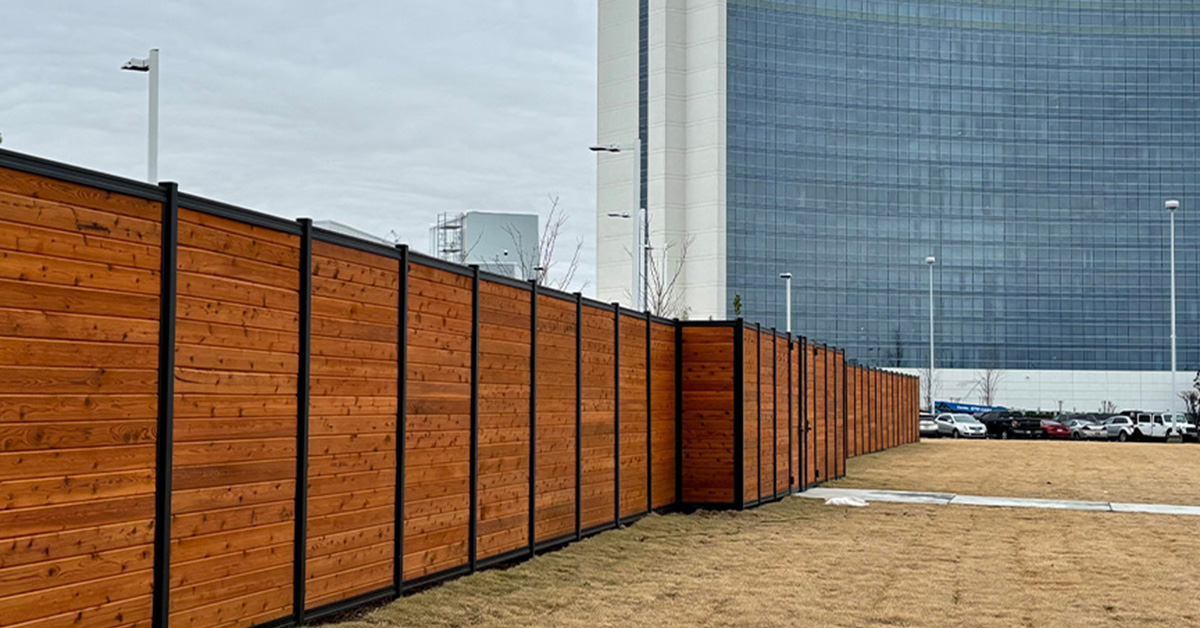
FenceTrac solves these issues by replacing vulnerable wood frames with 18-gauge galvanized steel. This system prevents warping, resists rot, and reduces maintenance. Steel posts and U-channels hold boards securely, ensuring fences stay strong for 20–50+ years. Plus, the setup allows for easy board replacements and works with a variety of infill materials like wood, composite, or metal.
Key Takeaways:
- Wood Fence Issues: Warping, sagging, rotting, short lifespan (3–5 years).
- FenceTrac Benefits: Steel frame prevents structural problems, lasts 4–10x longer, and cuts maintenance costs by up to 70%.
- Durability: Steel posts resist rot, while powder coating protects against weather and UV damage.
- Flexibility: Works with various infill materials and adapts to uneven ground.
FenceTrac combines durability and style, making it a better choice for horizontal fences.
Problems with Horizontal Wood Fence Designs
Warping and Sagging from Moisture and Weak Frames
Horizontal wood fences often struggle with moisture-related issues. When wood absorbs water from rain or humidity, it expands. As it dries, it contracts, leading to warping, twisting, and sagging. This is especially tough on horizontal designs, where boards span longer distances without much support. Over time, unsupported horizontal boards can start to droop, affecting both the fence’s appearance and functionality.
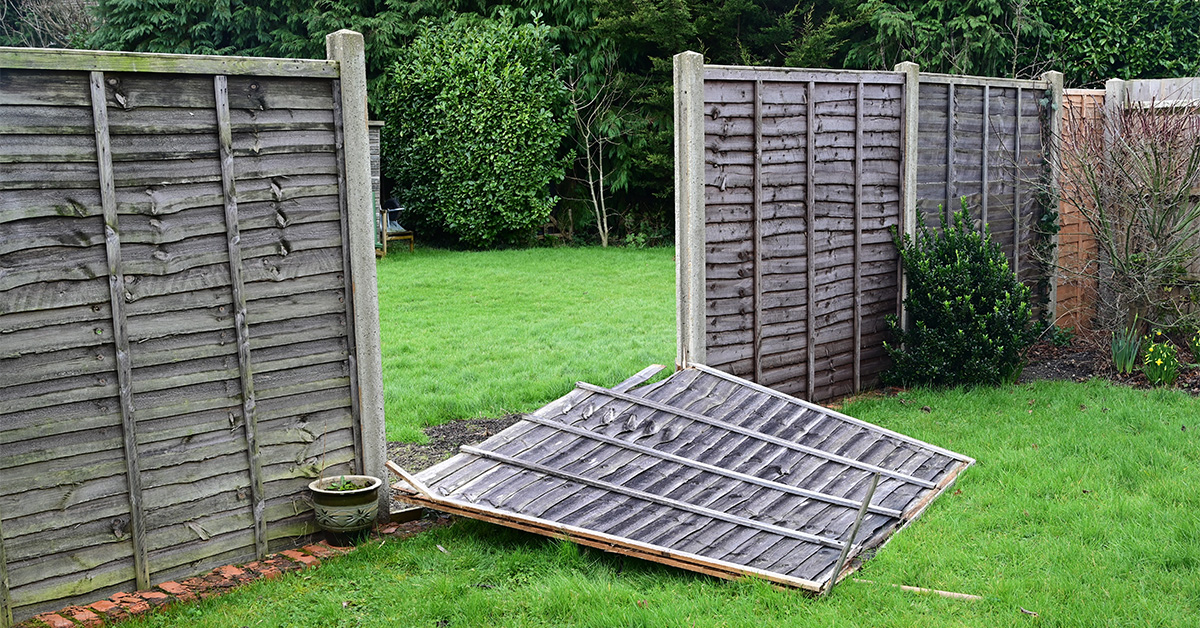
Things have become even more challenging since the 2003 EPA ban on CCA (Chromated Copper Arsenate). Modern pressure-treated wood doesn’t last as long as its pre-ban counterpart. Without a sturdy frame to hold them steady, horizontal boards can shrink and leave gaps, which not only ruin the fence’s look but also reduce privacy. These moisture-related issues often lead to further problems, like weakened fence posts.
Leaning and Instability from Weak Posts
The base of a wooden fence post is its Achilles’ heel. Once installed in the ground, wooden posts are exposed to moisture and rot, which start to degrade them almost immediately. On average, a wooden fence post lasts only 7 to 10 years before it begins to fail. When the base becomes too weak, the entire fence loses its ability to stand firm against wind and weather.
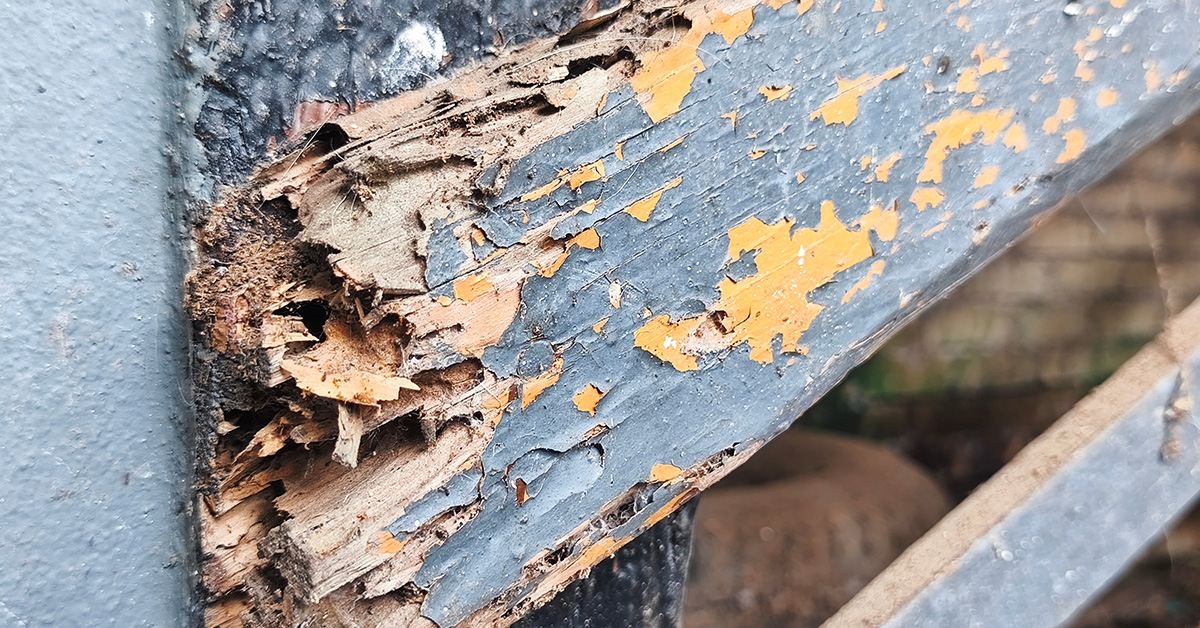
“Most wood fences meet their early demise when the wood post rots at its base. Leaving the fence vulnerable to high winds that simply blow it over.” – FenceTrac
Freeze-thaw cycles only make things worse. As water in the ground freezes and thaws, it accelerates post decay, leaving fences even more vulnerable to collapsing during storms. This instability adds to the already high maintenance demands of wooden fences.
High Maintenance Requirements and Privacy Issues
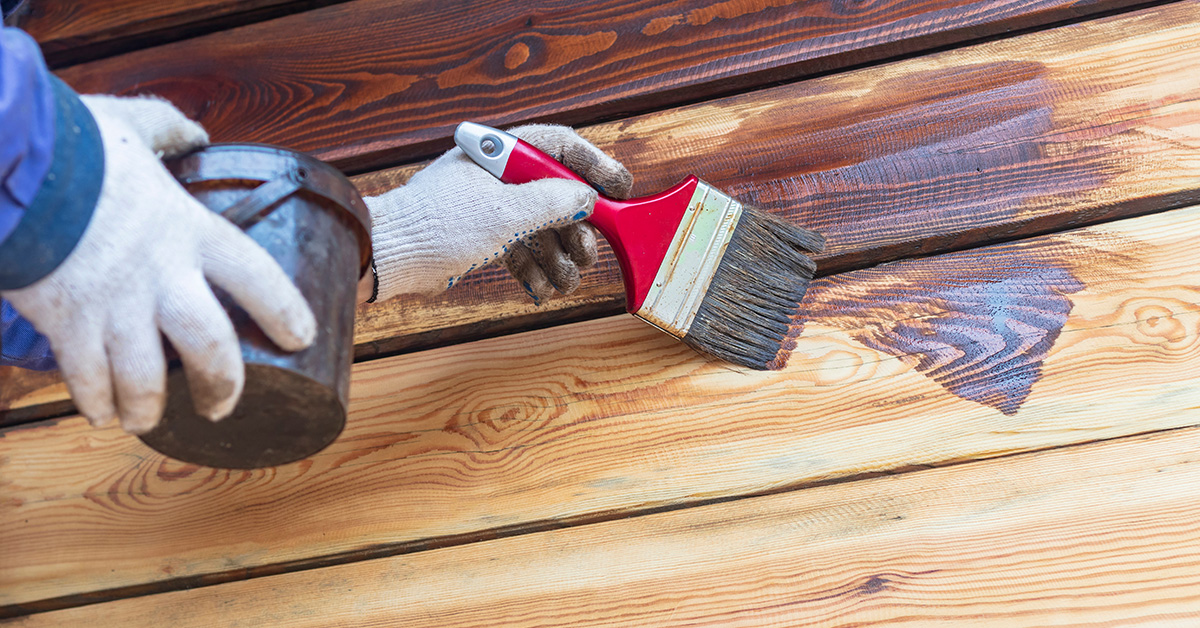
Wood fences require constant care to stay functional and visually appealing. Homeowners frequently deal with warped boards, rusting nails, cracked wood, and failing hardware. Seasonal changes in temperature cause the wood to expand and contract, leaving gaps between boards that compromise privacy.
Maintenance becomes an unending chore. To protect against UV damage and weathering, wood needs regular staining or sealing. Even high-end cedar pickets come with natural flaws like cracks and loose knots. As fasteners rust and boards warp, the fence’s overall structure weakens. Eventually, property owners may find themselves replacing large sections of the fence every few years, turning what seemed like an affordable option into a costly, ongoing project.
| Challenge | Impact on Performance | Impact on Longevity |
|---|---|---|
| Moisture Absorption | Warps and twists horizontal boards | Leads to wood rot and structural failure |
| Post Rot | Causes leaning and sagging | Reduces post lifespan to 7–10 years |
| Thermal Expansion | Creates gaps, reducing privacy | Loosens fasteners and weakens joints |
| UV Exposure | Fades color and causes surface cracking | Requires frequent staining or sealing |
| Wind Loads | Topples fences with rotted or weak bases | Can result in complete structural failure |
Critical Wood Fence Mistakes
How FenceTrac Steel Framing Fixes These Problems
FenceTrac’s steel framing system replaces the vulnerable wood components of traditional fences with engineered metal parts, boosting stability and longevity. Using 18-gauge galvanized steel U-channels and sturdy 2.5″ or 3.0″ square steel posts, it tackles the common issues that come with all-wood construction. These metal reinforcements directly address the moisture damage, instability, and high maintenance concerns often seen with horizontal wood fences, effectively solving problems like warping, sagging, and rot.
Stronger Structure with Steel Frames
The U-channel design is key to maintaining structural integrity. It firmly secures wood boards in place, preventing twisting or sagging. Made from roll-formed galvanized steel with an impressive yield strength of 45,000 psi, it outperforms traditional wood rails in every way. The frame’s stability is further enhanced by a 4-bolt assembly that connects the Top Trac, Bottom Trac, and Post Tracs, eliminating the need for multiple nails.

One of the most critical improvements is the use of steel posts, which completely sidestep the issue of ground-level rot. Unlike wooden posts that typically fail within 7 to 10 years, FenceTrac’s galvanized steel posts are built to resist decay entirely, ensuring a much longer lifespan.
“It uses steel posts instead of wood that can rot and decay. It also has a steel frame, so you don’t see warping or twisting that you would usually see in a typical wood fence.” – Joe Everest, Owner, Ozark Fence
Low Maintenance and Weather Protection
Every metal component in the FenceTrac system is coated with a baked-on TGIC polyester powder over hot-dip galvanized steel – G-90 for the framework and G-60 for the posts. This dual-layer protection provides excellent resistance to corrosion. The combination of galvanization and powder coating shields the structure from damaging UV rays, moisture, and extreme temperatures, ensuring it holds up under tough weather conditions. Backing this durability is a 20-year warranty on the framing components.
In addition to being tough, the system is designed with versatility in mind.
Design Options and Wood Infill Compatibility
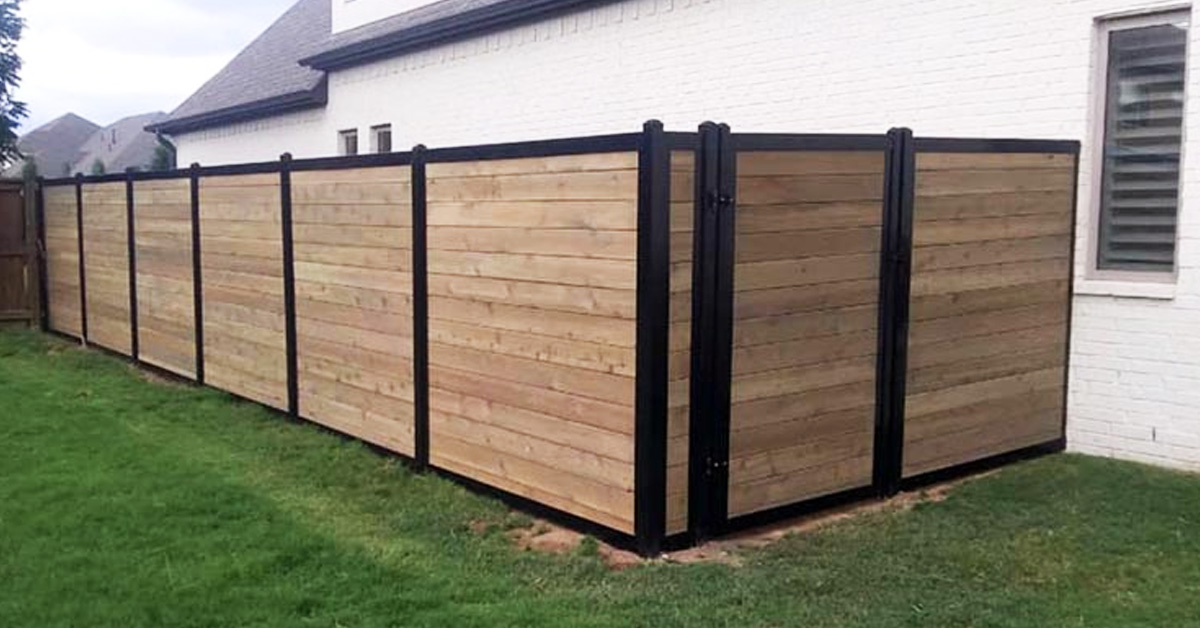
FenceTrac’s framework accommodates any rigid infill material up to 1 inch thick, allowing for a natural wood look with a floating design that adjusts to weather changes without the need for fasteners.
For properties with uneven terrain, the system can adapt to slopes as steep as a 45% grade, eliminating the awkward stepped appearance and gaps often seen in traditional horizontal fences. If a board gets damaged or you want to refresh the style, you can easily remove the top rail and swap out the infill without dismantling the entire structure. The system works with a variety of materials, including cedar, composite options like LuxeCore, PVC choices such as Ultrablend, bamboo, or even corrugated metal.
sbb-itb-908b3eb
Traditional Wood Fencing vs. FenceTrac Steel Framing
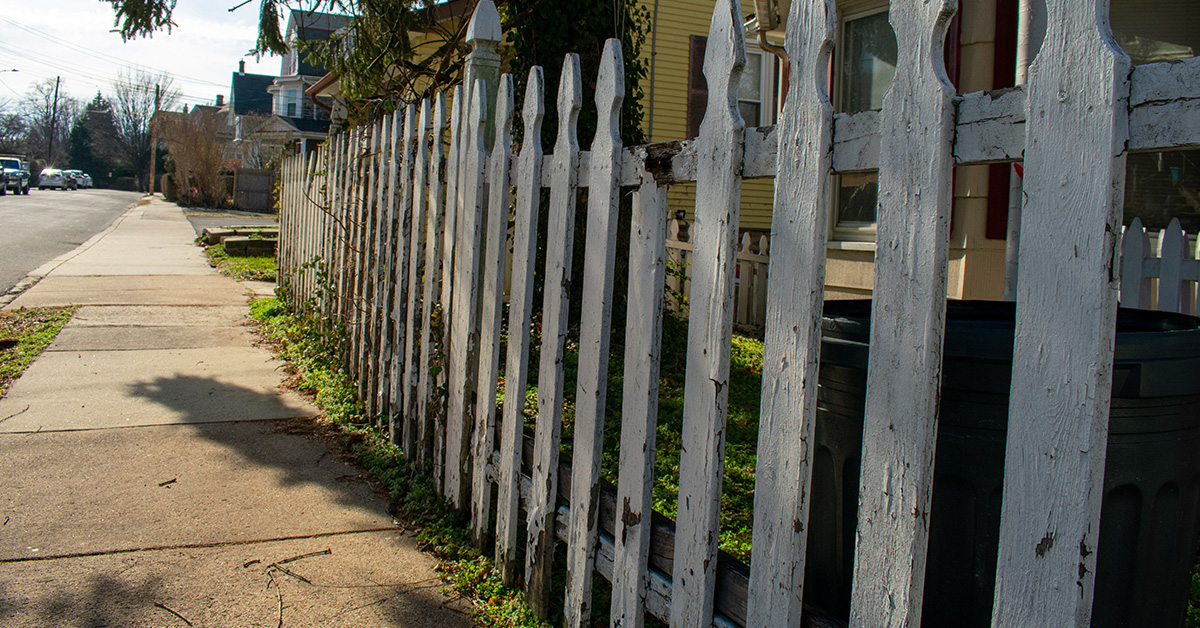
Horizontal wood fences tend to have a short lifespan, typically lasting just 3–5 years, compared to the 15–20 years you can expect from vertical wood designs. The problem? Condensation builds up on horizontal boards, speeding up rot – especially in areas with freeze–thaw weather cycles.
FenceTrac offers a solution by swapping out wood posts and rails for galvanized steel components. Over 20 years, maintaining a traditional wood fence can cost anywhere from $5,000 to $10,000 for every 100 feet. This includes replacing sections every 5 to 10 years (costing $500 to $2,000 per replacement) and annual sealing treatments ($200 to $500). In contrast, FenceTrac’s steel framing can cut costs by 50 to 70% over the same period, with repair rates below 5%, compared to the 30 to 50% repair rate typical for wood fences. This dramatic difference highlights why FenceTrac’s approach is such a game-changer.
Comparison Table
| Feature | Traditional Horizontal Wood Fence | FenceTrac Steel Framing |
|---|---|---|
| Lifespan | 3–5 years | 20–50+ years |
| Durability | Deteriorates 4x faster than vertical wood | Minimal wear with steel components |
| Post Material | Wood (prone to rot near ground level) | Galvanized steel (resistant to rot) |
| Frame Strength | Wood rails often sag over time | 18-gauge galvanized steel construction |
| Maintenance | High: frequent sealing and board replacement | Low: occasional rinsing |
| 20-Year Cost (per 100 ft) | $5,000–$10,000 | 50–70% lower costs |
| Privacy | Warping creates gaps as small as 1/8 inch | Steel frame prevents gapping |
| Post Spacing | Requires 6-foot intervals (33% more posts) | Standard spacing with steel support |
| Weather Resistance | Moisture buildup leads to mold and mildew | Powder-coated steel resists weathering |
These contrasts highlight how steel framing eliminates the common weaknesses of wood fencing. Even high-grade lumber can’t escape the effects of moisture from dew, rain, or debris, which encourage mold and decay. FenceTrac’s steel U-channels and posts, on the other hand, provide a robust framework that stands strong against weather challenges, ensuring long-term durability and performance.
FenceTrac Applications for Horizontal Fences
Custom Horizontal Designs with FenceTrac
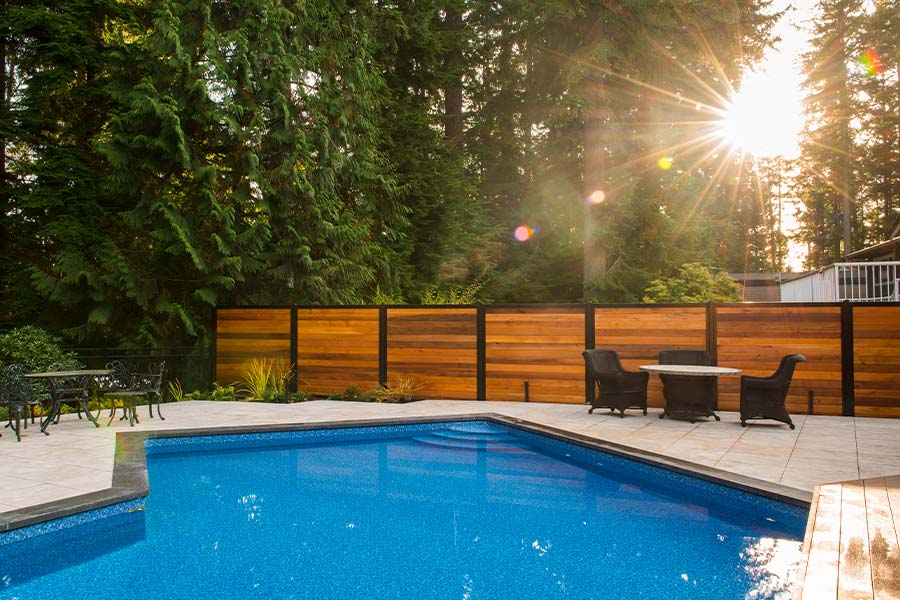
FenceTrac gives you complete control over your fence design while ensuring long-lasting durability. Its patented 18-gauge galvanized steel frame is built to handle infill materials up to 1 inch thick. This includes options like Western Red Cedar, Ipe, composite, PVC, corrugated metal, and bamboo. You can choose from panel heights of 4, 6, or 8 feet, with 6-foot panels being ideal for natural wood infill to minimize warping. Thanks to its modular design, FenceTrac adjusts effortlessly to slopes, maintaining sleek, horizontal lines even on uneven ground.
Rick Dodson, President of Dodson & Associates, frequently incorporates FenceTrac into housing developments for perimeter and entrance fencing. He highlights its practical and aesthetic benefits:
“The clean look is perfect for perimeter fencing and entrances. Because the frame and post are metal, they will last for many years to come.”
This combination of design flexibility and durability makes FenceTrac a standout choice for a variety of applications.
Durability and Longevity Examples
FenceTrac’s reliability shines in demanding environments. Restaurants and hospitality venues have used it to create outdoor dining enclosures and privacy walls that can handle constant exposure to the elements. It’s also a popular choice for pool areas at commercial properties, where the powder-coated steel posts and frames resist corrosion and stand up to high humidity.

One of the system’s standout features is its floating infill design, which allows wood boards to expand and contract naturally within the U-channels. As the boards dry and shrink, gravity ensures they settle snugly into place, maintaining a seamless privacy screen without the gaps you often see in traditional wood fences. With a 20-year warranty and an expected lifespan of 20 to over 50 years, FenceTrac offers both lasting strength and enduring aesthetics, far surpassing the performance of standard wood frames.
Conclusion: Why Choose FenceTrac for Horizontal Fences
Traditional wood fences often face challenges like warping, sagging, and post decay over time. FenceTrac eliminates these issues with its 18-gauge galvanized steel posts and a patented U-channel system. This innovative setup ensures the structure won’t twist, bow, or rot, offering a lifespan of 20 to over 50 years – far outlasting conventional wood fencing. It’s a solution built for reliability and modern aesthetics.
Another standout feature is the system’s low-maintenance design. The steel frame is powder-coated to resist weather damage, meaning the only upkeep involves the wood infill. Even if a board needs replacing, the process is straightforward – just remove the top rail and slide in a new piece. This combination of durability and ease of maintenance puts FenceTrac miles ahead of traditional options.
The design also offers unmatched flexibility. It accommodates any rigid infill up to 1 inch thick, whether it’s cedar, composite, bamboo, or even metal. Plus, it adapts to sloped landscapes while maintaining clean, horizontal lines. This means you get the warmth and beauty of wood with the strength and longevity of steel.
“We recommend FenceTrac to all our customers who need a privacy fence. FenceTrac really makes a big difference to projects we construct, whether it is commercial, residential or landscaping.”
With its durability, minimal upkeep, and adaptable design, FenceTrac redefines what a horizontal fence can be. It’s a smart, long-lasting choice for anyone looking to combine style with strength.
FAQs
How does FenceTrac’s steel framing system solve issues like warping and sagging in horizontal wood fences?
FenceTrac’s steel-reinforced framing system tackles the common issues of warping and sagging that often plague traditional wood fences. Its 18-gauge galvanized steel U-channel frame creates a sturdy, rigid structure that keeps wood slats securely in place. This design prevents the wood from shifting or bending due to moisture, temperature fluctuations, or the natural aging process.
By preserving the fence’s structure, FenceTrac delivers lasting durability and reduces the hassle of frequent repairs or replacements. Beyond performance, this design also boosts the fence’s appearance and helps ensure it stands the test of time.
What are the cost and maintenance advantages of using FenceTrac’s steel framing over traditional wood fencing?
FenceTrac’s steel-reinforced framing provides a smart way to save money both upfront and over the long haul by cutting down on maintenance costs. Traditional wood fences often demand frequent upkeep – things like staining, sealing, and repairing damage caused by rot, insects, or warping. These ongoing tasks can quickly add up, becoming a regular drain on your wallet. On the other hand, FenceTrac’s steel framing is built to resist rot, pests, and moisture. All it needs is an occasional cleaning to keep it looking great.
Another major advantage? Durability. While wood fences generally last about 15–20 years with proper care, FenceTrac’s steel-framed fences can hold up for more than 50 years. That means fewer replacements and less labor over time, translating into significant savings throughout the fence’s extended lifespan.
Can FenceTrac work with different infill materials and be installed on uneven or sloped ground?
FenceTrac’s steel-frame system is built to work with a broad range of infill materials up to 1 inch thick, such as wood, metal, composite, and others. Thanks to its rackable design with slotted holes, it can be installed effortlessly on uneven or sloped ground, delivering a polished, professional appearance no matter the terrain. This adaptability makes it a great option for both residential and commercial fencing needs.