
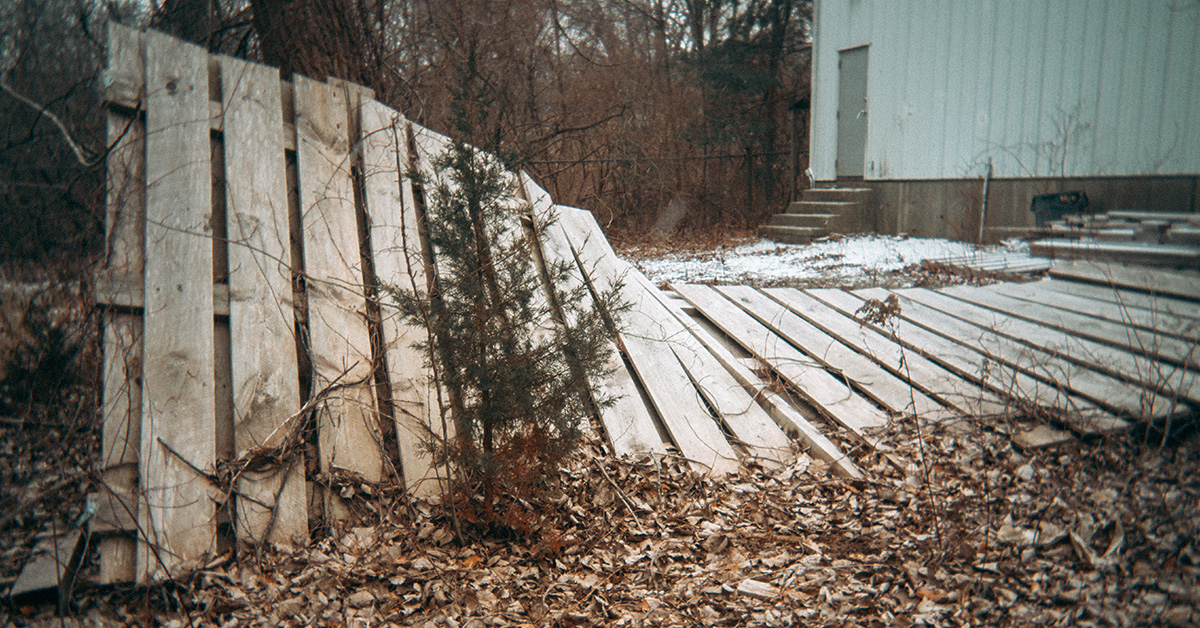
Wood fences often warp, lean, and sag due to moisture, temperature changes, poor installation, and natural wood deterioration. These issues reduce their lifespan, increase maintenance costs, and hurt property value. FenceTrac‘s steel fence frame offers a long-lasting solution by replacing traditional wood posts and rails with durable galvanized steel. This system prevents warping, leaning, and sagging by:
- Using steel U-channel frames that allow wood to expand and contract without damage.
- Employing heavy-duty steel posts resistant to rot and weather.
- Eliminating horizontal wood backer boards prone to failure.
- Offering easy repairs with slide-in panels and minimal fasteners.
FenceTrac combines durability with low maintenance, making it a smart choice for homeowners tired of the challenges of wood fences.
Why Wood Fences Warp, Lean, and Sag
Understanding why fences fail can help you make better material choices and maintain them effectively. Issues like warping, leaning, and sagging each have unique causes, but they often work together to weaken a fence over time.
What Causes Wood Fences to Warp
Warping happens when wood reacts to moisture and temperature changes. Wood contains tiny structures called tracheids (3–4 mm long, 0.03 mm in diameter), which act like tiny springs. These expand when exposed to moisture and contract as they dry. This constant cycle creates internal stress, causing boards to twist and bend.
Uneven drying makes things worse. For example, the ends of a board can lose moisture up to 12 times faster than the face. If one side of the board shrinks faster – like the sun-exposed side – it can cause the board to bend or twist.
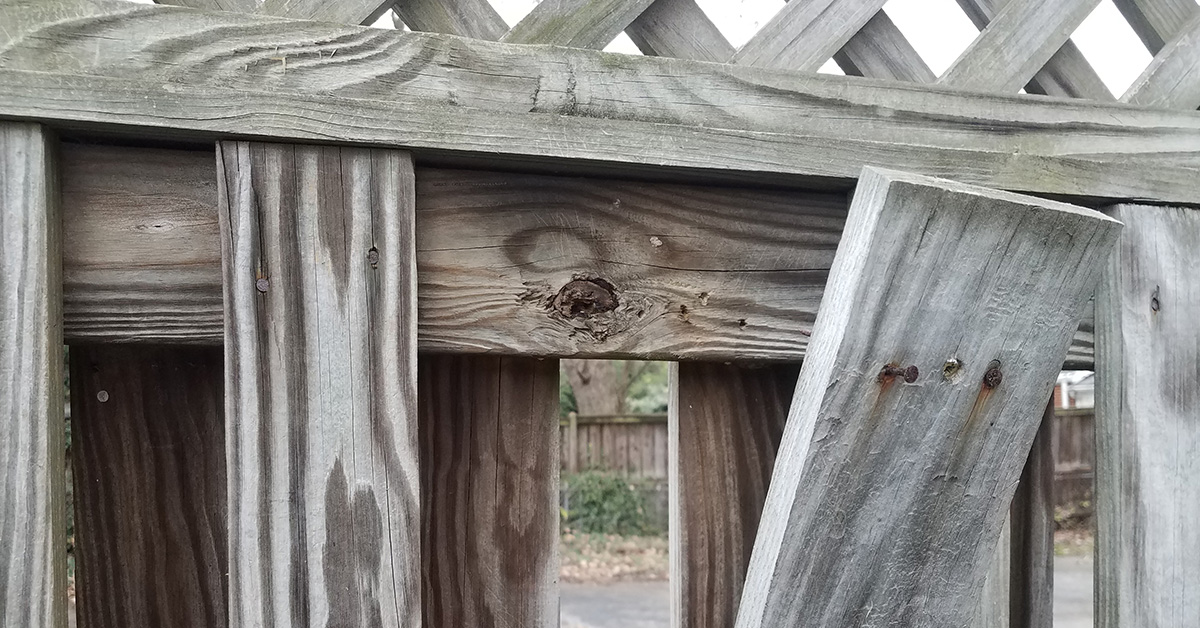
Factors like moisture, temperature swings, and UV exposure all contribute to this process. Western Red Cedar, for instance, stays stable until its moisture content drops below 20%. On the other hand, untreated ("green") red cedar can warp when its moisture content ranges from 58% to as high as 259%.
Different wood species handle these stresses differently. Cedar and redwood, with their natural oils and straight grain patterns, are better at resisting warping. In contrast, pine absorbs moisture more readily, and spruce, being less dense, struggles with rapid changes. Boards with irregular grain patterns or uneven cell density are especially prone to shrinking unevenly, which can lead to warping. Poor support and site conditions can also contribute to related problems like leaning and sagging.
What Makes Fences Lean
Leaning fences are often caused by shallow post installation or wind pressure overpowering the foundation. For example, a 3-foot fence needs posts buried at least 18 inches deep, while a 7-foot fence requires posts set 42 inches into the ground. Posts buried too shallowly simply don’t have enough anchorage to stay upright.
Soil conditions also play a big role. Heavy rains or poor drainage can loosen the soil around fence posts, making them shift or tilt. Without concrete footings designed to shed water, moisture can pool at the base, worsening the problem.
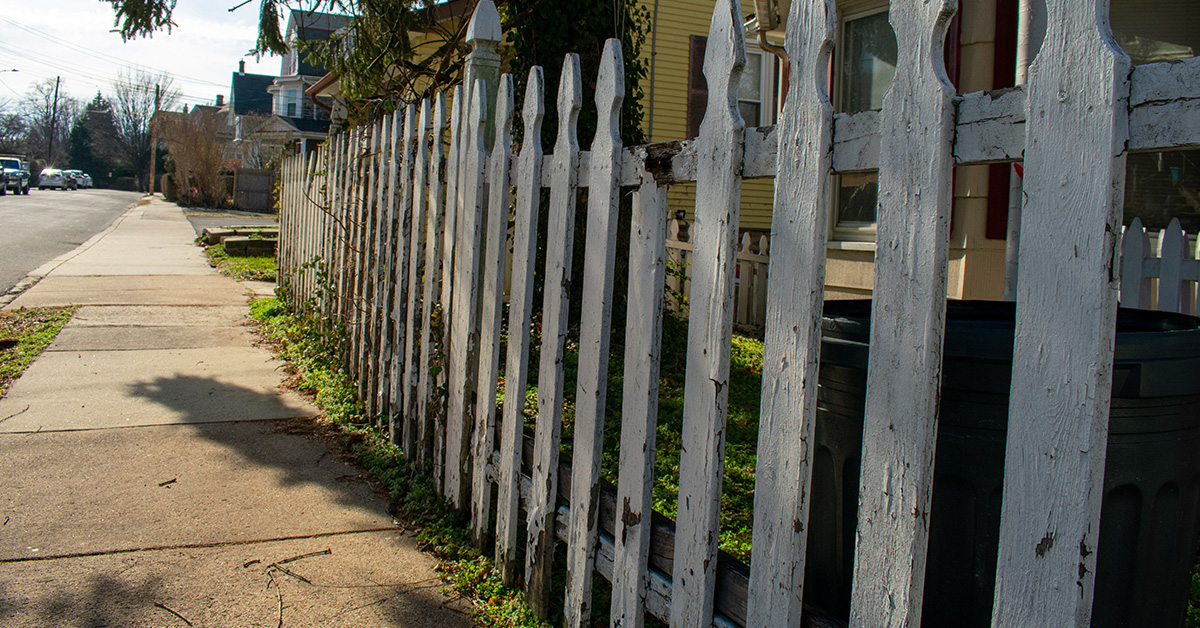
"Soggy conditions can cause the soil to loosen around the fence, causing it to lean." – Carter Fence
Poor installation can make things worse. Inadequate horizontal supports or low-quality fasteners can leave the fence vulnerable to leaning over time.
Why Wood Fences Sag
Sagging usually starts from the bottom and works its way up. Untreated posts that come into direct contact with soil are particularly vulnerable to rot and decay, especially at ground level where water tends to collect and airflow is limited. Once the posts weaken, they lose their ability to support the fence’s weight.
Hardware issues can also speed up sagging. Screws and nails may corrode over time, loosening their grip on the wood. As these connections fail, panels can start to pull away from the posts and droop. Even a few loose fasteners can trigger a chain reaction, putting extra strain on nearby sections.
"Warped panels on wood fences are never pleasant to deal with. Not only does the warping affect the overall look of the fence, but it will also eventually compromise its structural integrity and create a domino effect that can slowly bring the fence down over time." – Slagle Fence

Aging is another factor. Even without visible rot, wood naturally weakens as its fibers break down over time. Storm damage or impacts can also break posts, forcing the remaining sections to carry more weight than they were designed for. These structural vulnerabilities highlight the importance of a durable and well-supported fence system.
How the FenceTrac Steel Fence Frame Solves These Problems
FenceTrac offers a modern solution to common fencing issues like warping, leaning, and sagging. By replacing traditional wood posts and rails with a patented steel framework, it ensures a longer-lasting, more durable fence structure.
Steel Framework Provides Stability
The backbone of the FenceTrac system is an 18-gauge galvanized steel U-channel frame. This design secures wood pickets and planks, creating a sturdy perimeter that resists the natural twisting and bowing tendencies of wood. Unlike traditional fences where pickets are nailed or screwed to rails, FenceTrac’s infill slides into the U-channels. This allows the wood to expand and contract with the seasons without cracking or warping.

Additionally, the system includes a smart drainage feature. The bottom track is designed to channel water out of the ends, preventing moisture buildup.
"FenceTrac’s patented U-channel metal fence frames are formed from galvanized 18 ga. steel for superior strength and durability." – Perimtec
The steel components go through a rigorous pre-treatment and powder-coating process, tested to endure 1,000 hours of salt spray with minimal coating loss. This ensures industrial-grade resistance to weather and corrosion. Combined with its robust design, the system stands strong against environmental pressures.
Strong Support Prevents Leaning
FenceTrac uses heavy-duty square steel posts to create a stable foundation that resists environmental stresses. Unlike wood posts, which are prone to rot, these steel posts are built to last. With a minimum yield strength of 45,000 psi and a hot-dip galvanized G-90 coating (providing 0.90 oz of zinc per square foot), the framework is designed for exceptional corrosion resistance.

The system also features a Post Trac mounting system, which uses a multi-point bolted connection to securely attach fence panels to posts. Each panel is typically secured with four bolts and self-tapping screws, ensuring the fence remains upright even in high winds or shifting soil.
Durable Materials Eliminate Sagging
The FenceTrac system tackles sagging by eliminating the need for horizontal backer boards, which are common in traditional wood fences but prone to failure. Instead, the steel U-channels support the infill load, maintaining the fence’s shape without relying on wood elements that can warp over time.
The system also uses tongue-and-groove infill that interlocks for added support, while the steel frame ensures the panels retain their shape.
"By using metal fence posts with your wooden fence, you will extend the life of your fence by multiple years… often times extending the life of your wood fence by 2X, 3X or 4X years." – FenceTrac
Engineered for longevity, the steel components are designed to last for decades and come with a 10-Year Limited Warranty.
sbb-itb-908b3eb
Benefits of the FenceTrac System
Durability and Long Lifespan
FenceTrac is built to last far longer than traditional wood fences. While wooden posts typically rot within 7 to 10 years, FenceTrac’s galvanized steel framework is designed to stay reliable for decades. The system features 18-gauge steel U-channels and heavy-duty posts that resist moisture and decay, two common culprits of wood fence deterioration.

The steel framework is coated with a 3-mil powder finish, which has undergone 1,000 hours of salt spray testing to ensure it resists rust and corrosion. This protective layer shields the fence from rain, snow, and extreme temperatures, maintaining its strength without the constant maintenance that wood fences demand.
This exceptional durability also allows for a range of design possibilities.
Customization Options
FenceTrac doesn’t just stand out for its strength; it’s also highly adaptable to different styles. Thanks to its steel-reinforced foundation that prevents warping, the system accommodates a variety of materials under 1 inch thick, giving you endless design choices [11,19]. Options include red cedar, LuxeCore composite, corrugated metal, bamboo, welded wire, PVC, Hardie board, or metal screens. You can install the infill horizontally for a sleek, modern look or vertically for a more traditional appearance [11,21].
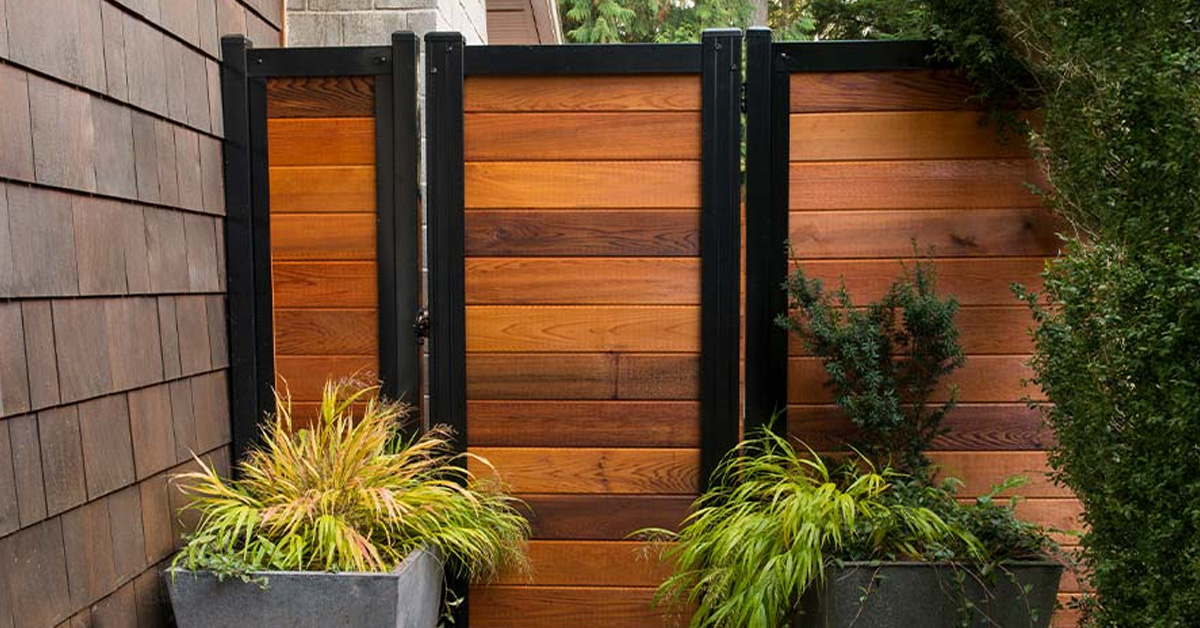
Standard panel heights are available in 4 feet, 6 feet, and 8 feet, with rail lengths of 72 inches and 96 inches [15,19]. The frames come in several colors, such as textured matte black, bronze, white, tan, green, silver, or unpainted galvanized steel [13,19]. Unlike typical wood fences that expose unattractive rails on one side, FenceTrac’s design ensures both sides look identical, as the infill is centered within the U-channel frame.
Low Maintenance and Cost Savings
FenceTrac isn’t just durable and stylish – it’s also low-maintenance and cost-efficient. The system’s slide-in channel design eliminates the need for hundreds of nails or screws, which can rust and fail over time in traditional wood fences [11,13]. Each panel uses just four bolts, with no fasteners penetrating the infill, avoiding issues like rusted nails or split wood [11,17].

Repairs are straightforward and affordable. If a board gets damaged, you can simply slide it out and replace it without dismantling the entire section [11,13]. For even less upkeep, you can choose maintenance-free infill materials like PVC or composite, which only require occasional cleaning with mild soap and water [18,21]. In comparison, wood fences need a fresh protective coating every two to three years. LuxeCore composite infill even comes with a limited lifetime warranty [11,21], while the steel framework is backed by a 10-Year Limited Warranty.
Conclusion: A Durable Fencing Solution
Wood fences, while classic, often struggle with issues like moisture damage, warping, and structural weaknesses. These problems not only compromise their appearance but also lead to costly and frequent repairs.
FenceTrac’s steel frame system addresses these challenges head-on. Built with 18-gauge galvanized steel posts and U-channels, it resists rot, decay, and warping. The system’s free-floating infill design allows materials like cedar to naturally expand and contract without cracking or pulling loose. Add to that a tough powder-coated finish and a 10-Year Limited Warranty, and you’ve got a fence designed to stand the test of time.
What sets FenceTrac apart is its thoughtful engineering. It works seamlessly on sloped terrain, offers nearly endless infill options, and looks the same on both sides for a clean, polished appearance. Repairs are a breeze – simply slide out damaged boards without dismantling entire sections.
If you’re tired of dealing with leaning, sagging, or high-maintenance wood fences, FenceTrac offers a durable, low-maintenance solution. Designed to eliminate common wood fence issues, it’s a smart, long-term investment for residential, commercial, or architectural projects alike. FenceTrac isn’t just a fence – it’s peace of mind for decades to come.
FAQs
How does the FenceTrac system stop wood fences from warping?
The FenceTrac system is designed to hold wood panels firmly within a steel-reinforced frame, supported by durable metal posts. This setup creates a sturdy, stable structure that resists shifting and shields the wood from damage caused by moisture, temperature fluctuations, and other environmental factors that often lead to warping.
By securely anchoring the wood panels and limiting their exposure to these damaging conditions, the FenceTrac system provides a fence that not only lasts longer but also maintains its polished look with very little upkeep.
Why are FenceTrac’s steel posts stronger and longer-lasting than wood?
FenceTrac’s steel posts are built to endure tough conditions and offer long-lasting strength. Unlike wood, steel won’t rot, warp due to moisture, or fall victim to insect damage, keeping your fence sturdy and reliable for years to come.
Thanks to their steel-reinforced design, these posts offer a dependable, low-maintenance alternative to traditional wood posts. They hold up exceptionally well, even in extreme weather or demanding environments.
Can I customize a FenceTrac fence to fit my design style?
FenceTrac offers a flexible and customizable design to fit your personal style. With this system, you can choose from a range of materials like wood, metal, or composite panels, allowing you to create the look you want. The steel frame also comes in various finishes, so you can pick one that complements your property perfectly. Whether you prefer a modern vibe, a rustic charm, or a classic touch, FenceTrac has options to bring your vision to life.