
FenceTrac’s modular fence system separates the structure (the steel frame) from the surface (the infill boards), which gives buyers more design control, easier repairs, and a longer-lasting fence than any single-material system. Most first-time buyers have never seen this approach, so explaining it clearly is the first step toward closing the sale.
The Short Answer
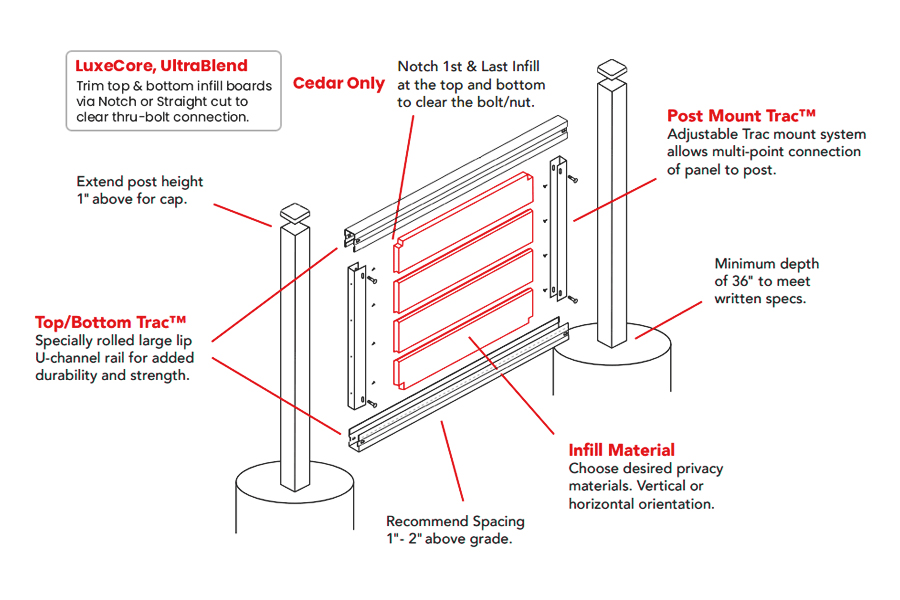
A modular fence system means the frame and the infill are independent components. The galvanized steel frame provides the structure. The infill boards provide the look. The buyer chooses both separately, and either one can be changed without replacing the other.
The simplest way to explain it: “Think of the frame as the skeleton and the infill as the skin. The skeleton is steel, and it lasts 20 years minimum. The skin is whatever look you want, and you can change it anytime without rebuilding the fence.”
Start with What They Already Know
First-time buyers understand traditional wood fences. Use that as the baseline.
In a traditional wood fence, the posts, rails, and pickets are all wood. Everything is nailed together. When the post rots, the whole section leans. When a board splits, you pull nails and replace it. The structure and the surface are the same material, so they fail together.
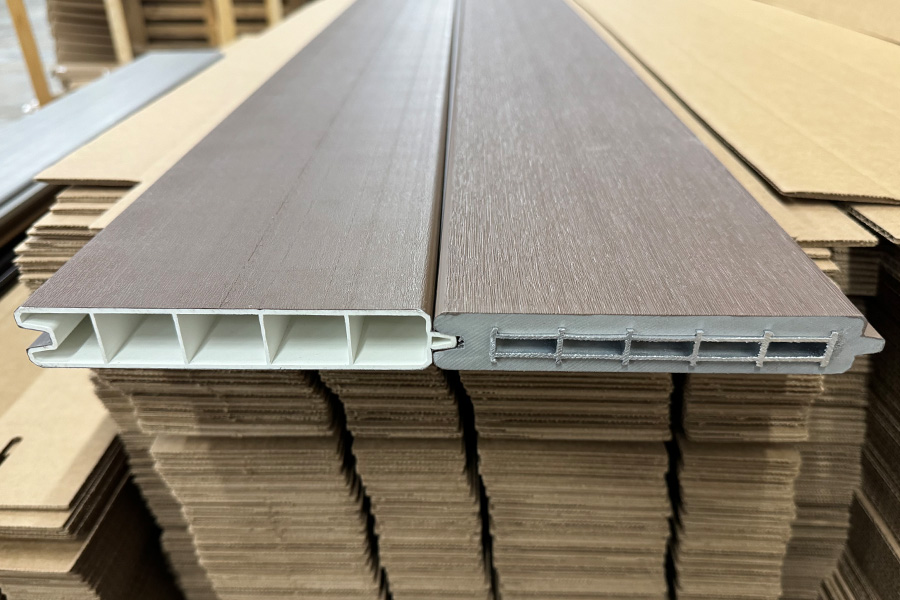
FenceTrac separates those two jobs. The structure is galvanized steel. The surface is whatever infill the buyer chooses: cedar for a natural wood look, LuxeCore composite for a maintenance-free wood look, UltraBlend PVC for a budget-friendly maintenance-free option, or aluminum for a modern, fire-rated finish.
The frame does not care which infill is inside it. It holds any rigid board up to 1 inch thick in its U-shaped channels.
Explain the Components
Walk the buyer through each part of the system so they understand what they are purchasing.
The Posts
G90 galvanized steel, powder-coated. Standard residential posts are 2.5 inches by 2.5 inches square. Commercial posts go up to 3-inch or 4-inch for higher load applications. Posts are embedded in concrete footings, typically 38 inches deep.
Key point for the buyer: “These posts will never rot at the ground line. That is the number-one reason wood fences fail, and it is completely eliminated.”
The Frame Channels
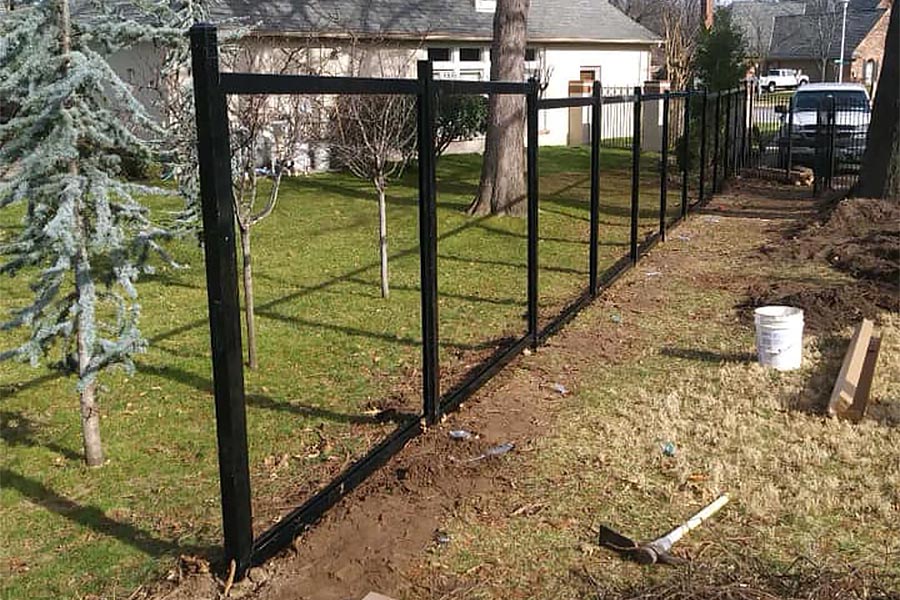
The frame consists of horizontal top and bottom channels (3-inch G90 galvanized steel) and vertical side channels (2-inch G90 galvanized steel). The side channels attach to the posts with self-tapping screws. The top and bottom channels bolt to the side channels with carriage bolts.
The channels form a rigid rectangle that holds the infill boards in place. The U-shaped profile of each channel grips the edges of the infill, so boards cannot pop out, rattle, or shift.

The Infill
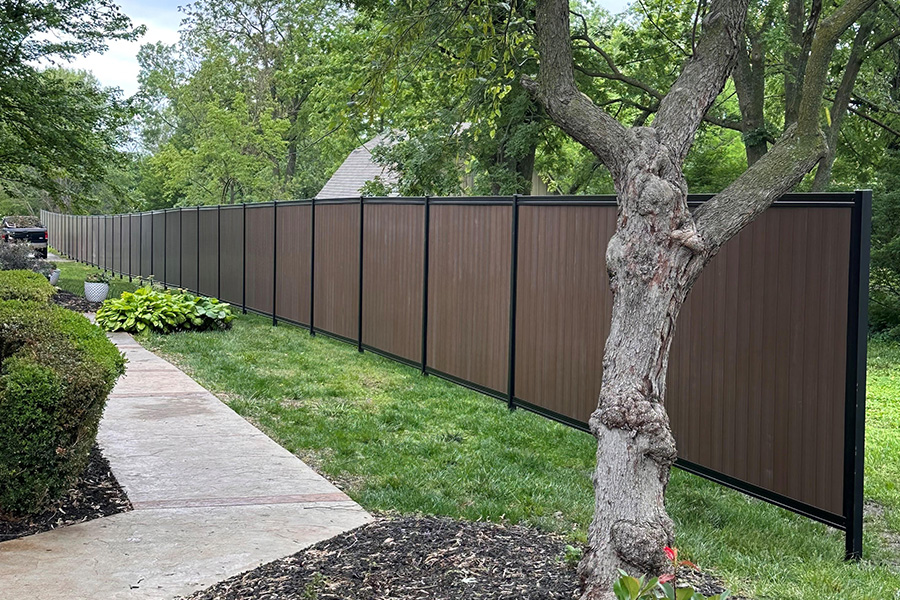
Infill boards slide into the frame channels from the top during installation. No face-nailing. No exposed screws. The result is a both-sided design where both faces of the fence look identical.
Available infill options include LuxeCore composite (aluminum core + PVC + ASA), UltraBlend PVC (ASA-encased), Western Red Cedar, aluminum boards (privacy or semi-privacy), and welded wire (OmniView). All infill is available in 4-foot, 6-foot, and 8-foot panel heights.

Why Modular Matters to the Buyer
First-time buyers need to understand why this approach is worth more money. Connect each modular benefit to something they care about.
The Frame Outlasts the Infill
The steel frame carries a 20-year warranty. If the buyer ever wants to change the look of their fence, update the color, or upgrade from cedar to composite, they replace the infill boards only. The frame stays in the ground. That is like repainting a house without rebuilding the walls.
Repairs Are Simpler
If a board gets damaged, the homeowner or contractor can slide it out and slide a new one in without disassembling the frame. No pulling nails, no prying rails, no disturbing adjacent boards. Compare that to replacing a board in a traditional wood fence, where the repair often damages the surrounding boards.
Design Flexibility Over Time
The buyer’s taste may change. Their property needs may change. A modular system lets them adapt without starting over. They can swap infill materials, add aluminum accent boards, or convert a section from privacy to semi-privacy by changing the infill and adding spacers.
The 30-Second Explanation
For busy buyers who want the summary, use this version:
“FenceTrac is a steel-frame fence system. The frame is galvanized steel with a 20-year warranty. The infill boards slide into the frame, and you pick the material: wood, composite, PVC, or aluminum. Both sides of the fence look the same. If you ever want to change the look, you swap the boards and keep the frame. It is the last fence frame you will ever buy.”
Common Follow-Up Questions
What if they want to see it in person? Suggest they look at installed examples on the FenceTrac privacy fencing page, or keep a sample board and a short section of steel channel on hand for in-person meetings. Physical samples close more sales than photos.
What about the cost difference? Frame the cost as an investment in the structure. “The steel frame is what makes this fence last 20 years. Wood posts give you 10 to 15. The frame is where your money goes, and it is the part that never needs replacing.”
See Also
FenceTrac specifications page for detailed dimensions, material grades, and engineering data to support technical buyer questions.
Get a Quote for Your Next Project
FenceTrac ships fence systems nationally and has been supplying contractors, property owners, and commercial buyers since 2012.
Every system carries a 20-year warranty and is engineered for long-term performance with minimal maintenance.